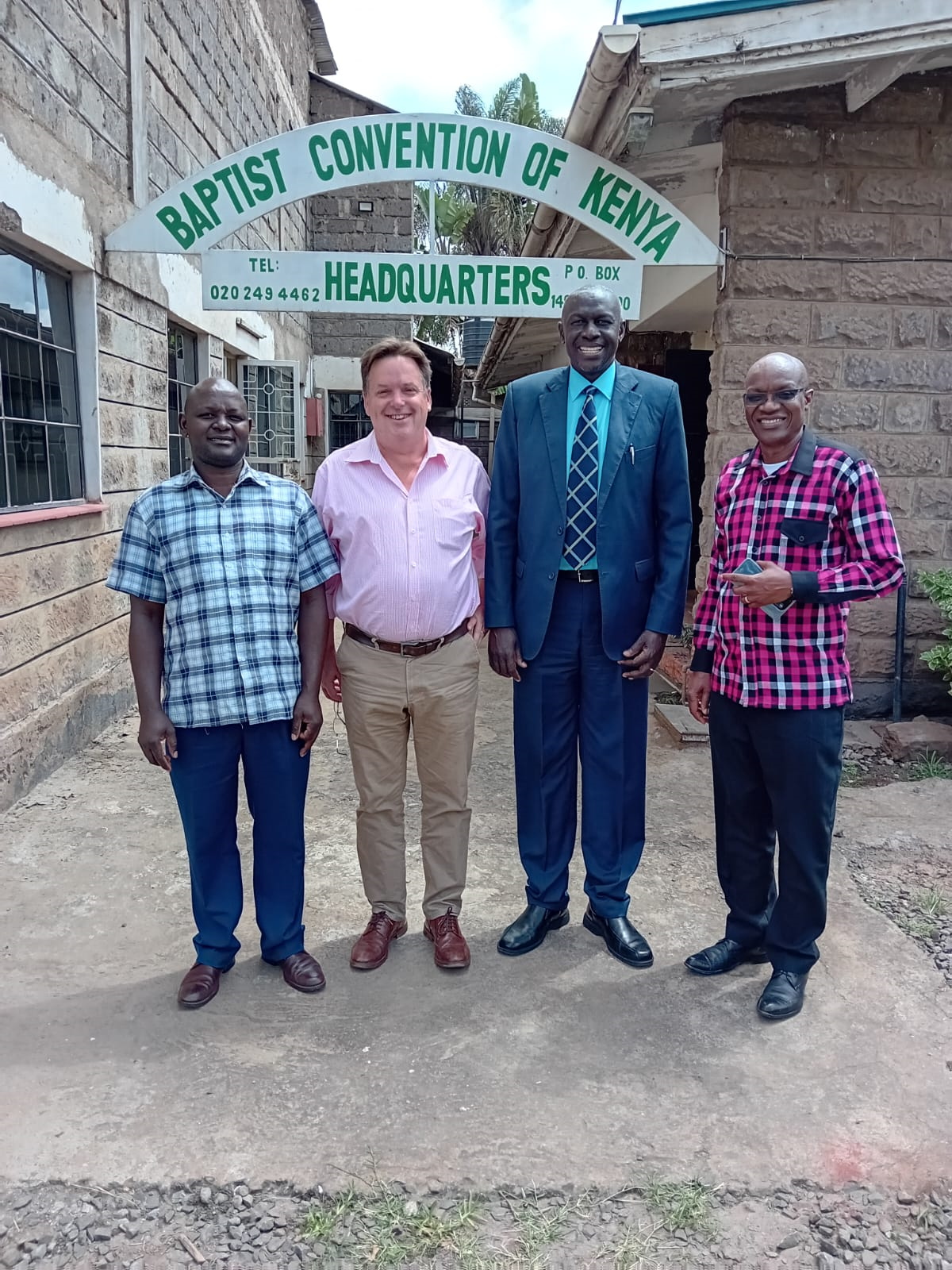
Read about some of the key highlights from recent months, offering a glimpse of how APF partners are training leaders, strengthening communities, and helping the church in Africa to flourish.
From Trainee to Trainer
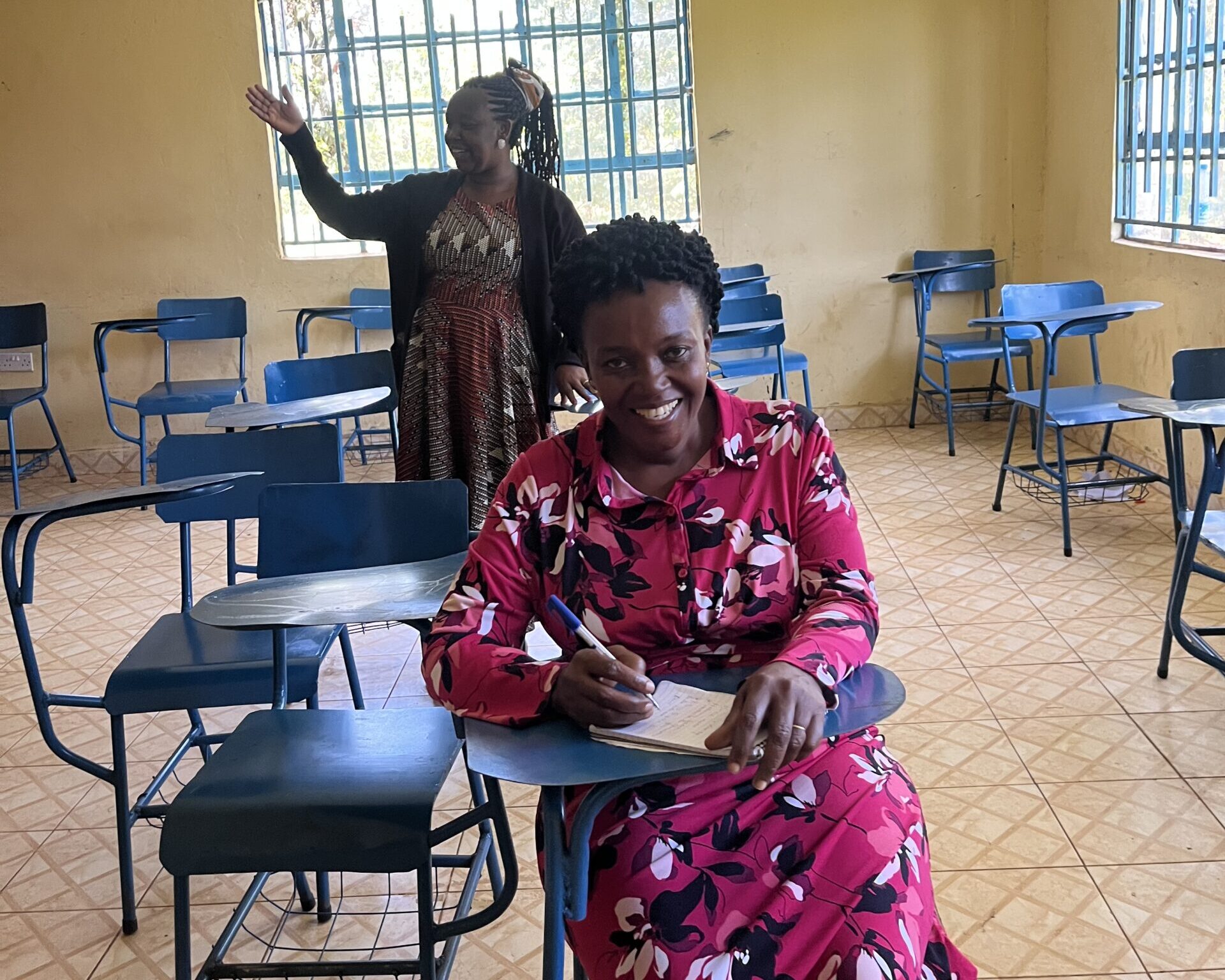
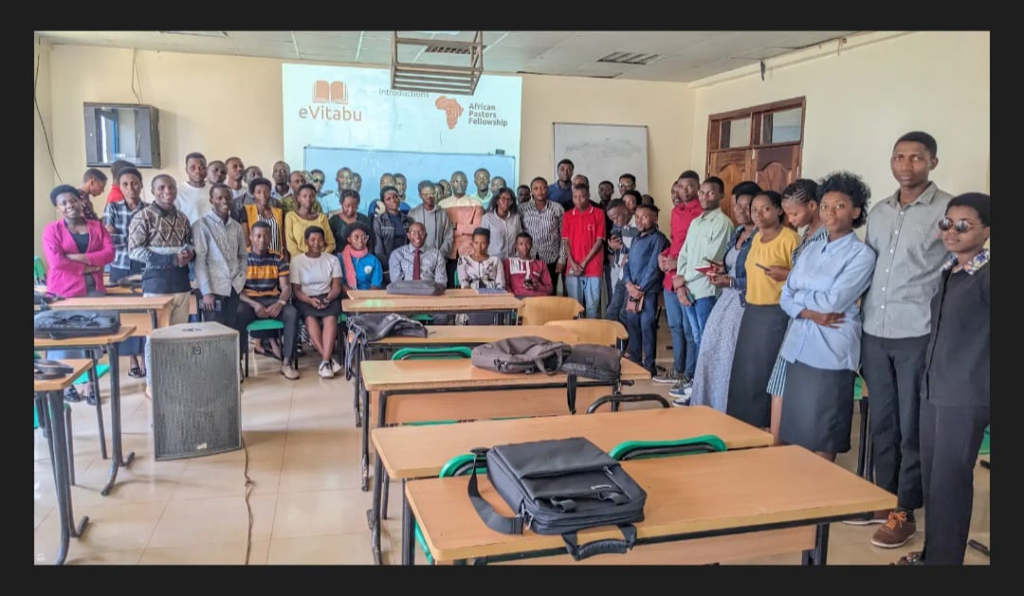
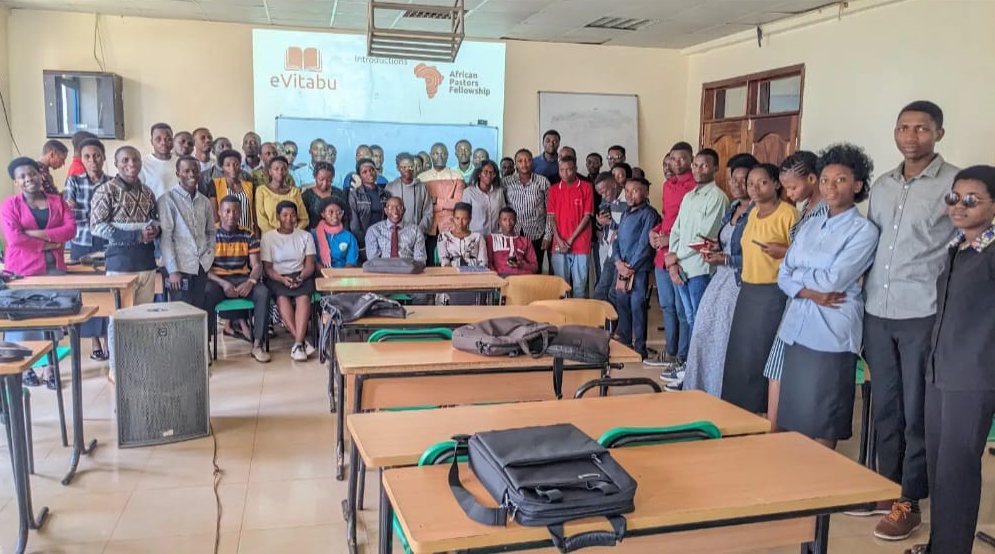
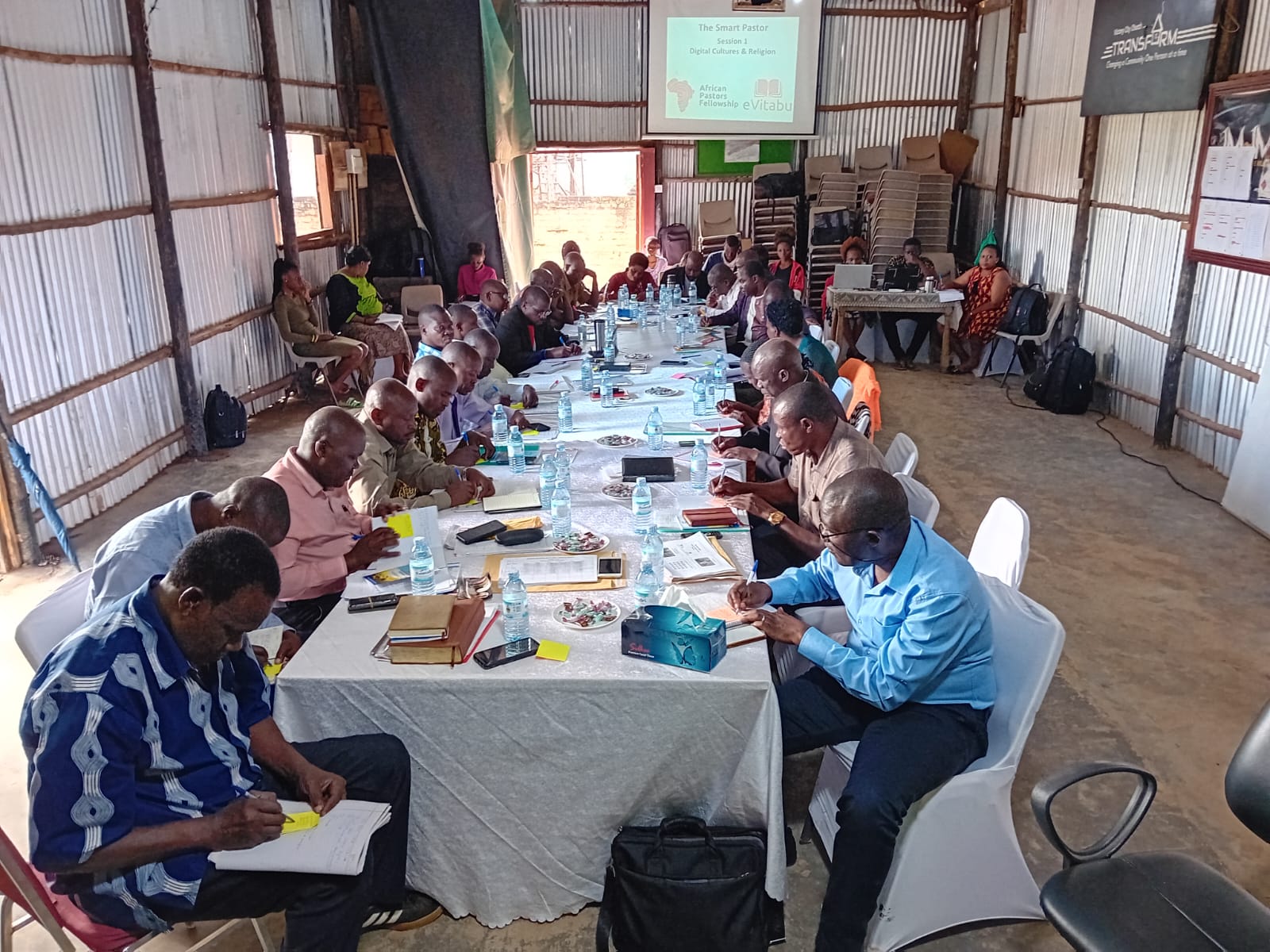
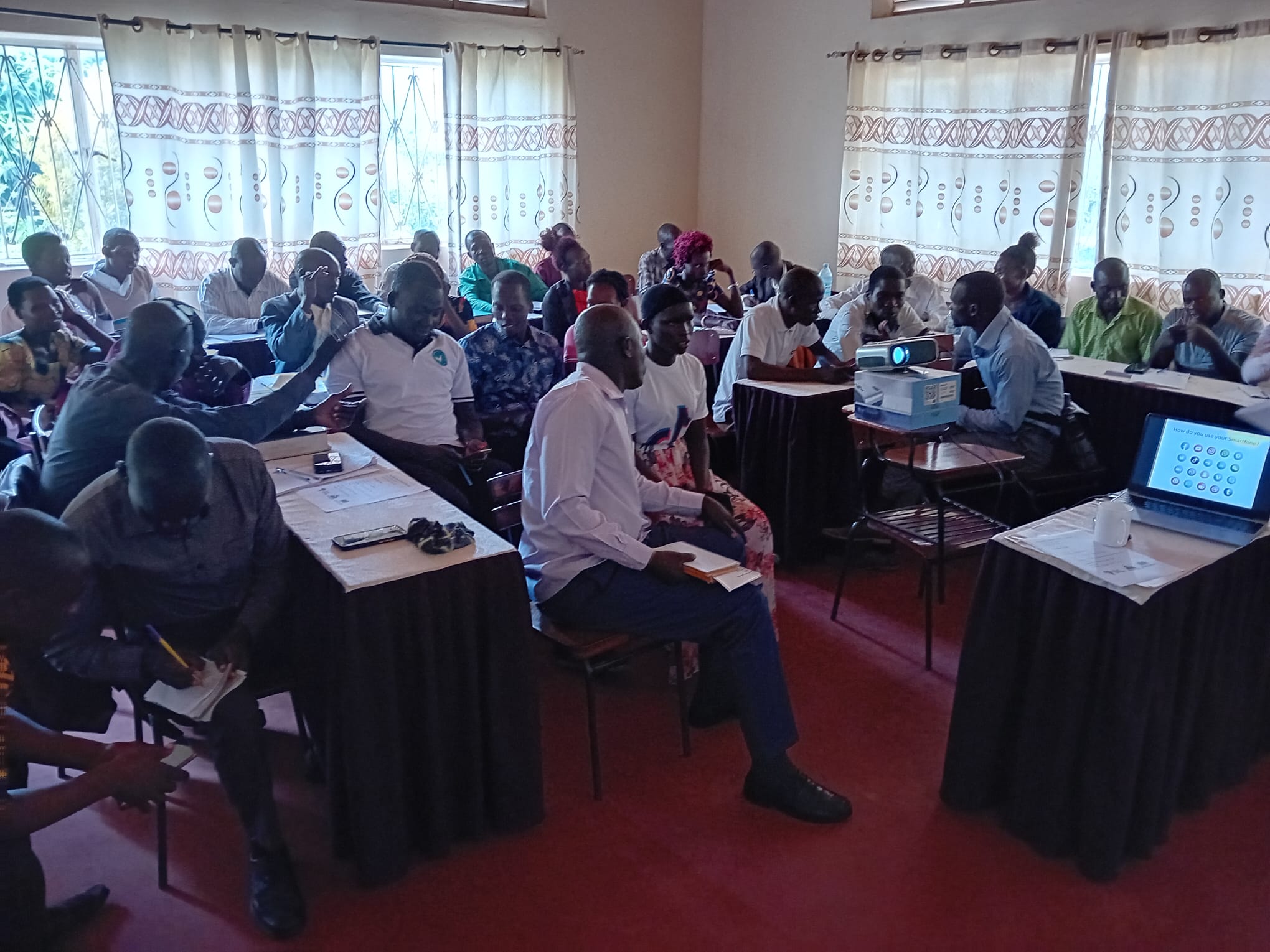
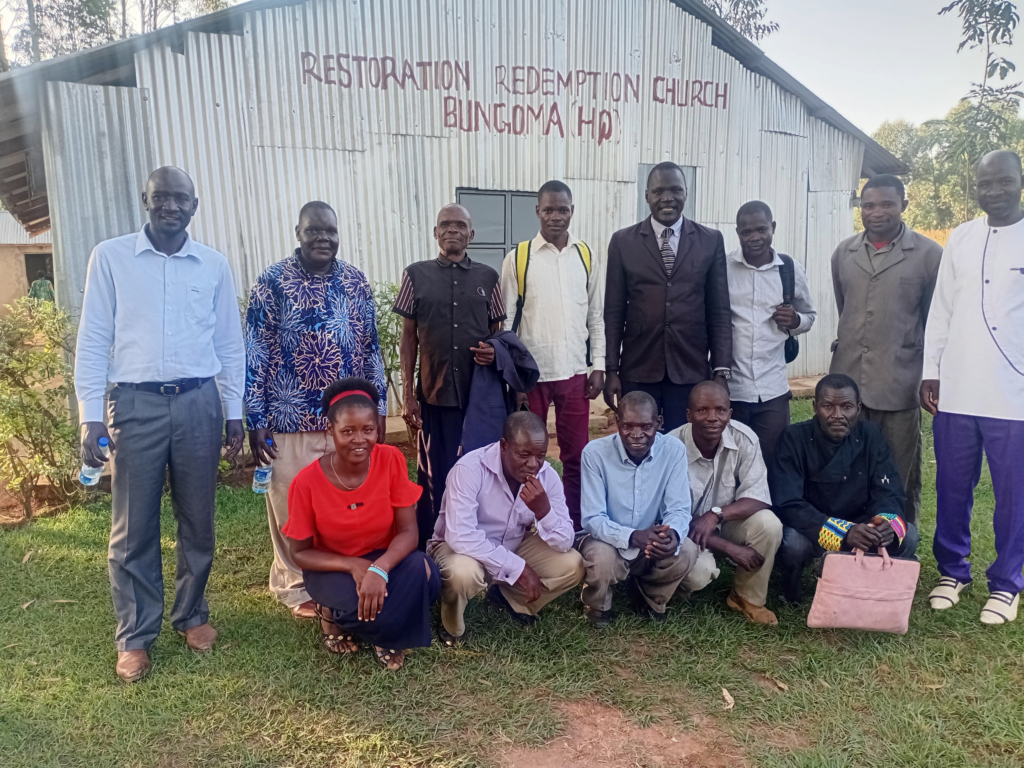
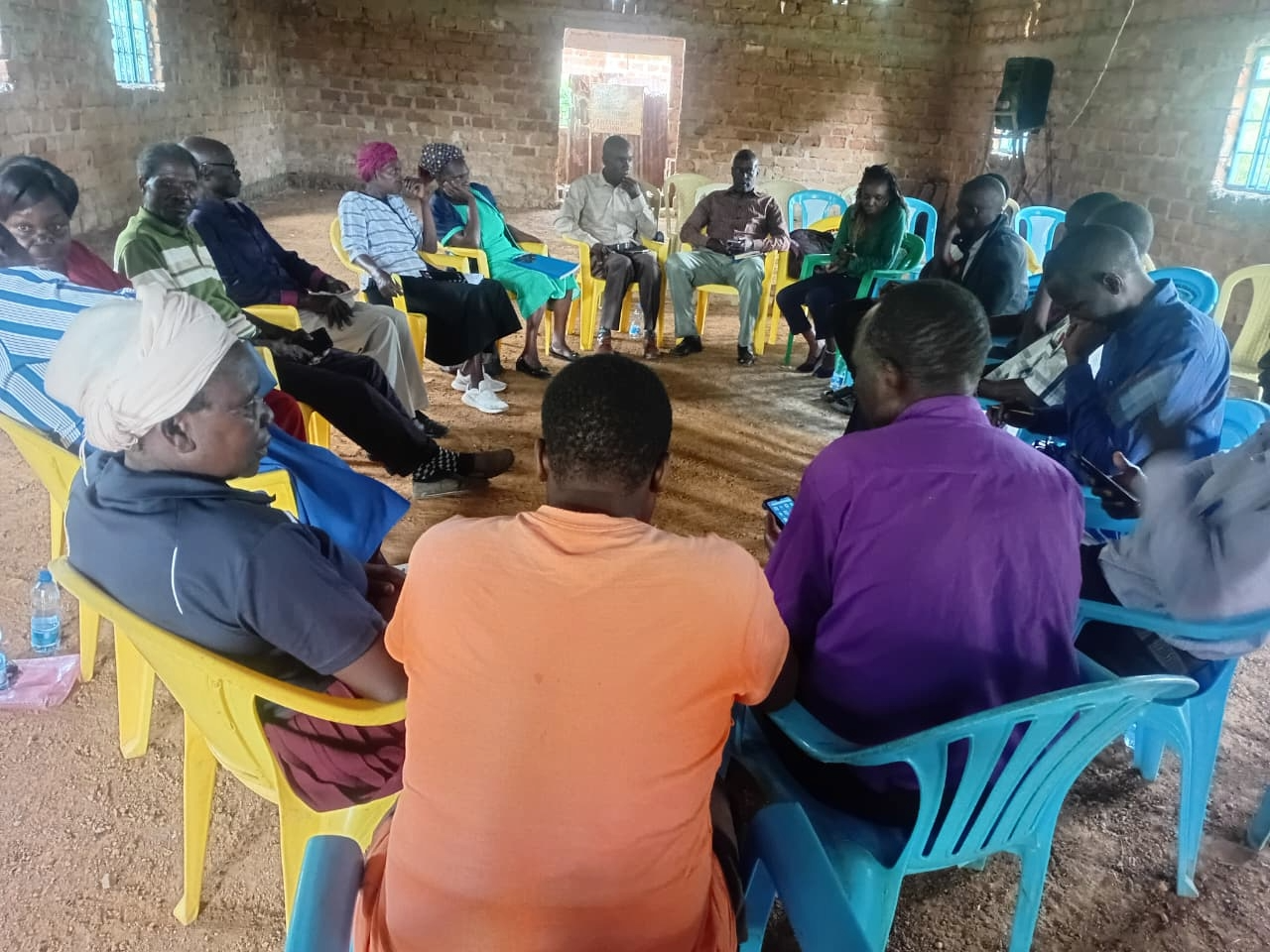
Earlier this month, Pastor Oliver Ogusegere brought together church leaders for two eVitabu workshops in the Mumias and Teso regions of western Kenya. Oliver first connected with APF a few years ago when he attended a similar training event in Mombasa. Now, he is passing on what he learned to others. Around 100 church leaders took part in the workshops and, despite some initial challenges with technology and internet connectivity, many successfully installed the eVitabu app, giving them ongoing access to a growing library of theological resources to support their ministry.
A Bumper Harvest
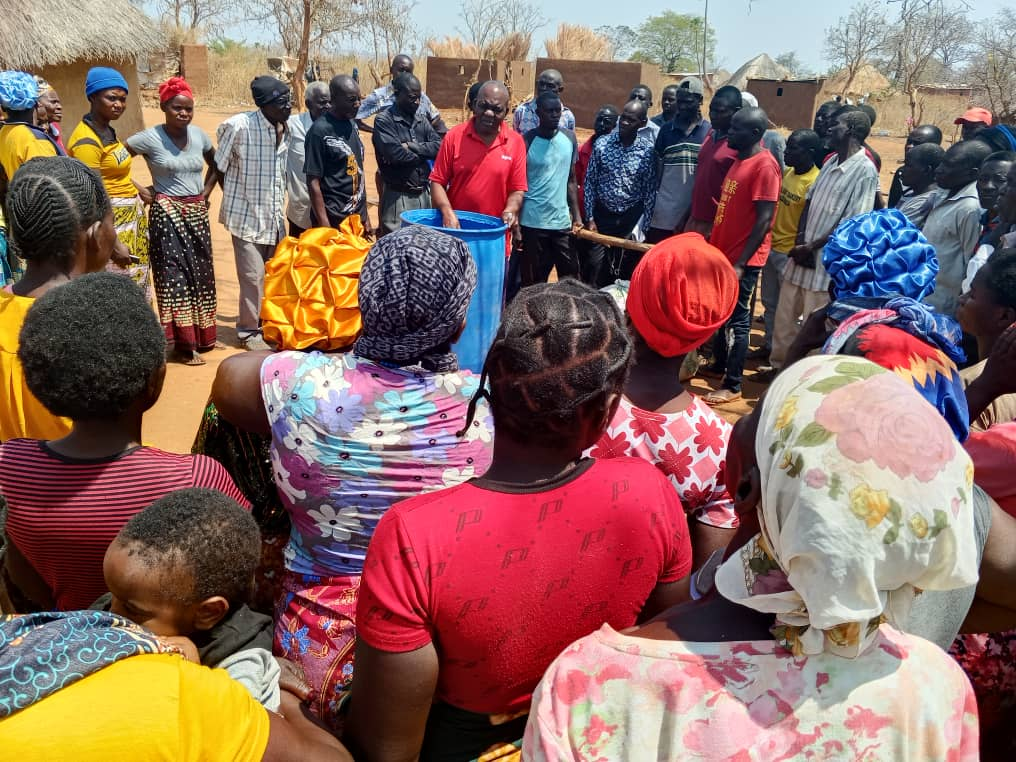
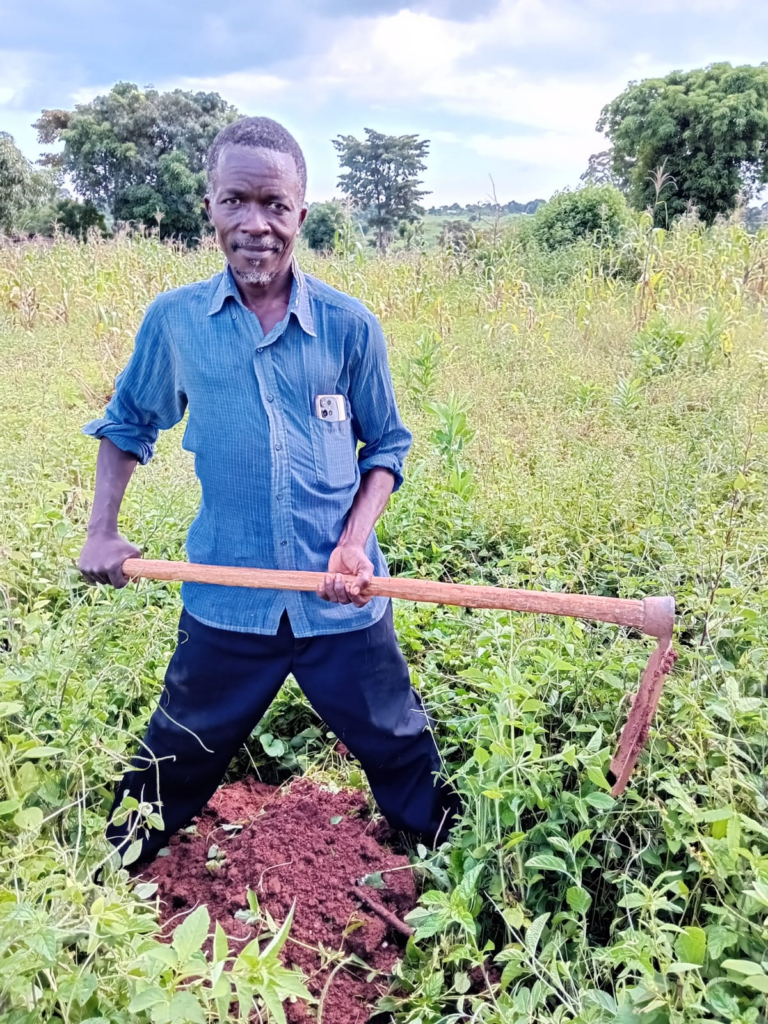
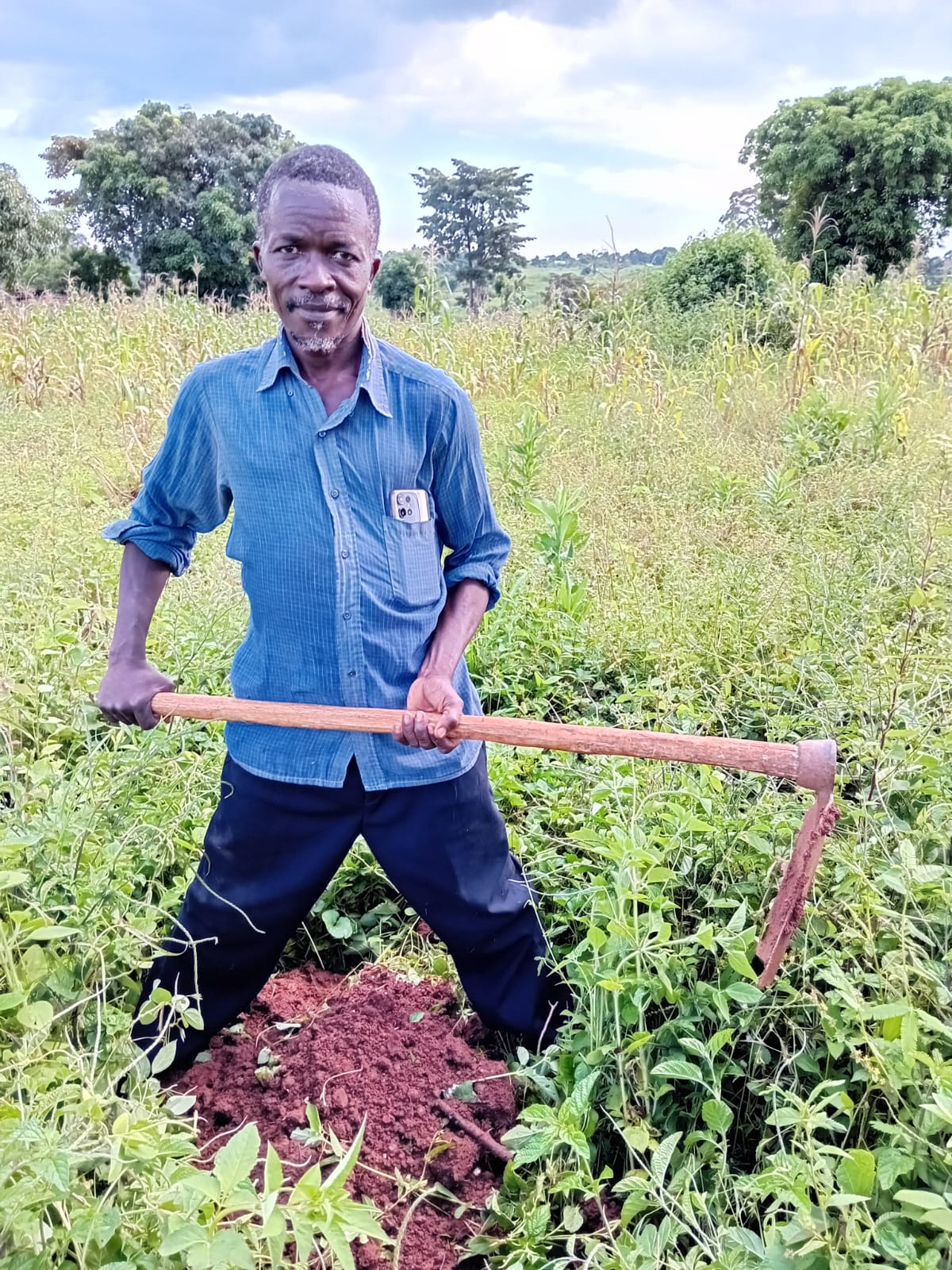
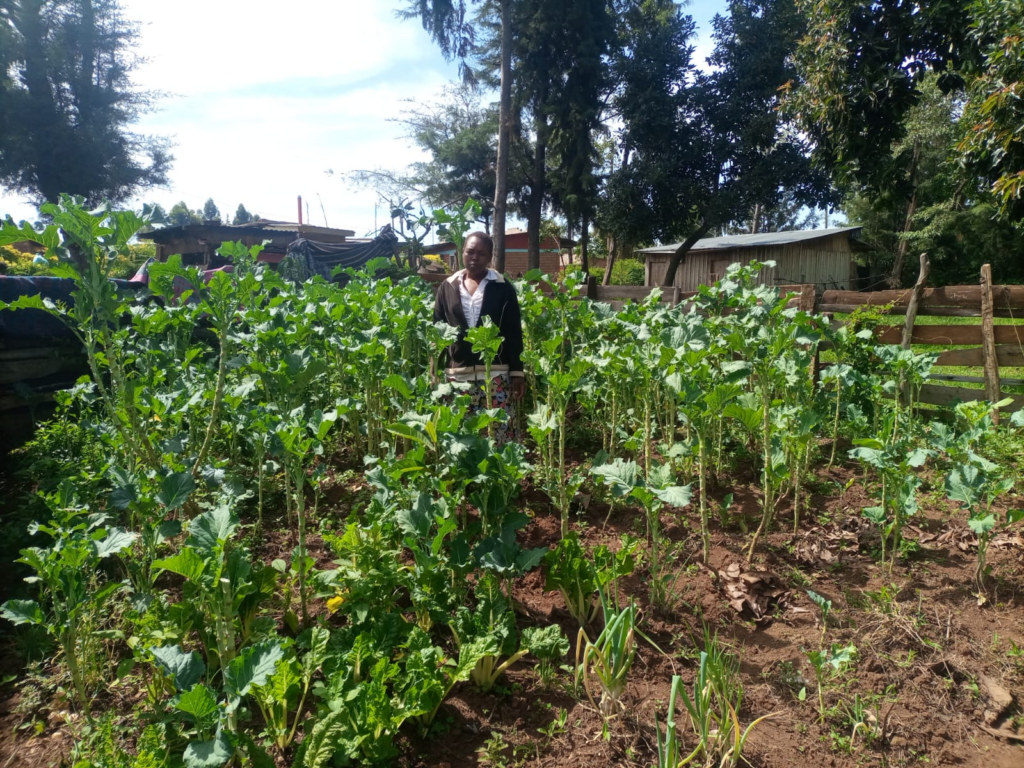
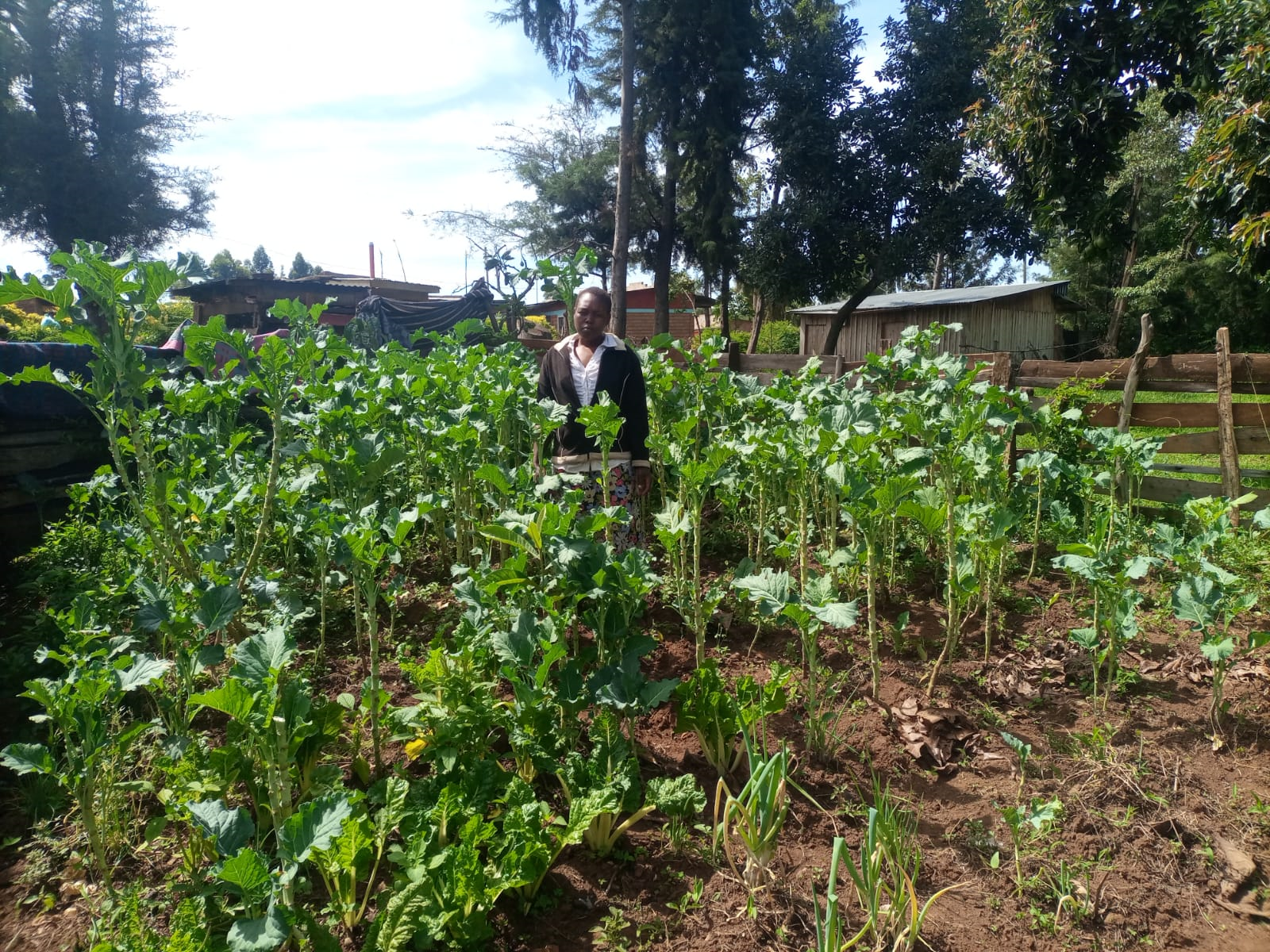
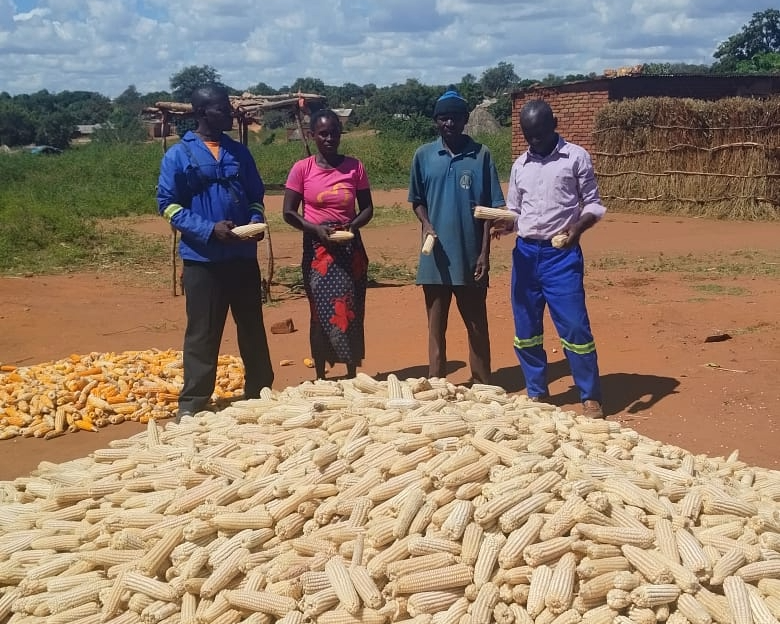
In Zambia, Lawson Limao has been training rural communities to produce organic fertiliser and compost. With the cost of synthetic fertiliser rising sharply in recent years, it has become unaffordable for many small-scale farmers. Using resources available on eVitabu, Lawson has been teaching communities how to make effective organic alternatives from locally available materials at little or no cost. Participants have reported bumper harvests as a result.
Digital Theology in Uganda
At Bishop Stuart University in Mbarara, western Uganda, Revd Charles Okidi has recently been appointed Head of Theology and Religious Studies, overseeing around 150 students. He told us how APF has inspired him to incorporate digital theology into the curriculum, helping future church leaders reflect theologically on the opportunities and challenges technology presents, both in their own lives and in the communities they will go on to serve.