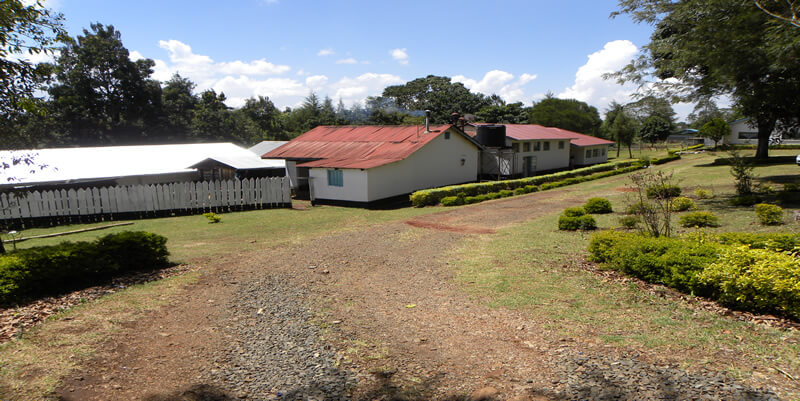
Rev Shadrack Koma is an APF partner serving in the Kenyan Africa Inland Church (AIC). He lives in Kapsabet, in west Kenya, with his wife and children. He told us about some of the challenges facing rural pastors in Amaya, Baringo County, a tribal area to the east of Kapsabet, and how he hopes to support them.
Dear friends and supporters of APF. I am so grateful for your tireless sacrifice to African pastors. I personally thank you for your assistance when I was doing my master’s degree in theology. I am so grateful for APF.
My big concern now is for pastors in Amaya. The pastors depend on their cattle since they are from a pastoralist community. In the last two years, however, they have been affected by the worst droughts which have killed most of their livestock. The pastors suffer in abject poverty. Women and children form the bigger part of their congregations and their small contributions cannot sustain the churches.
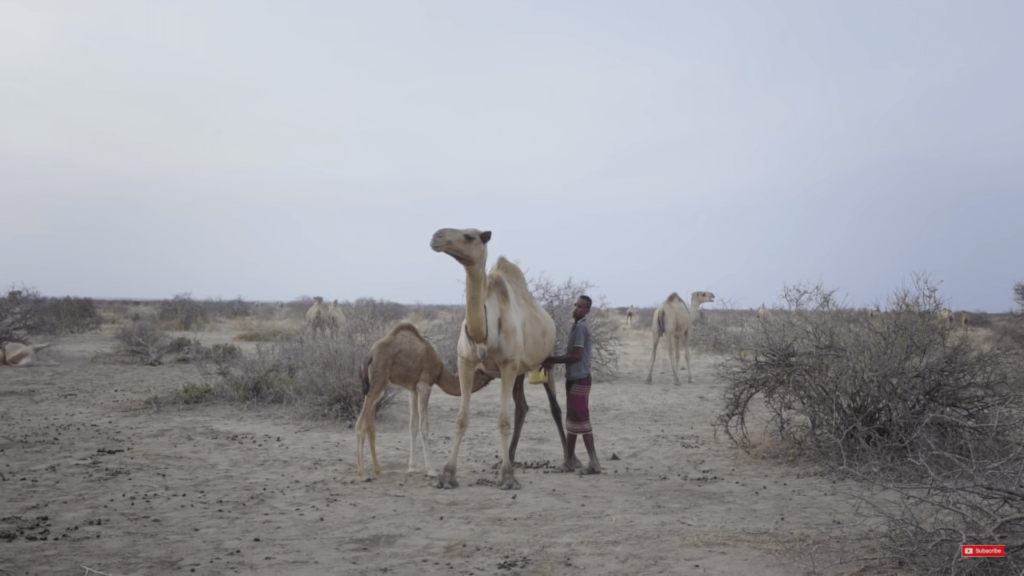
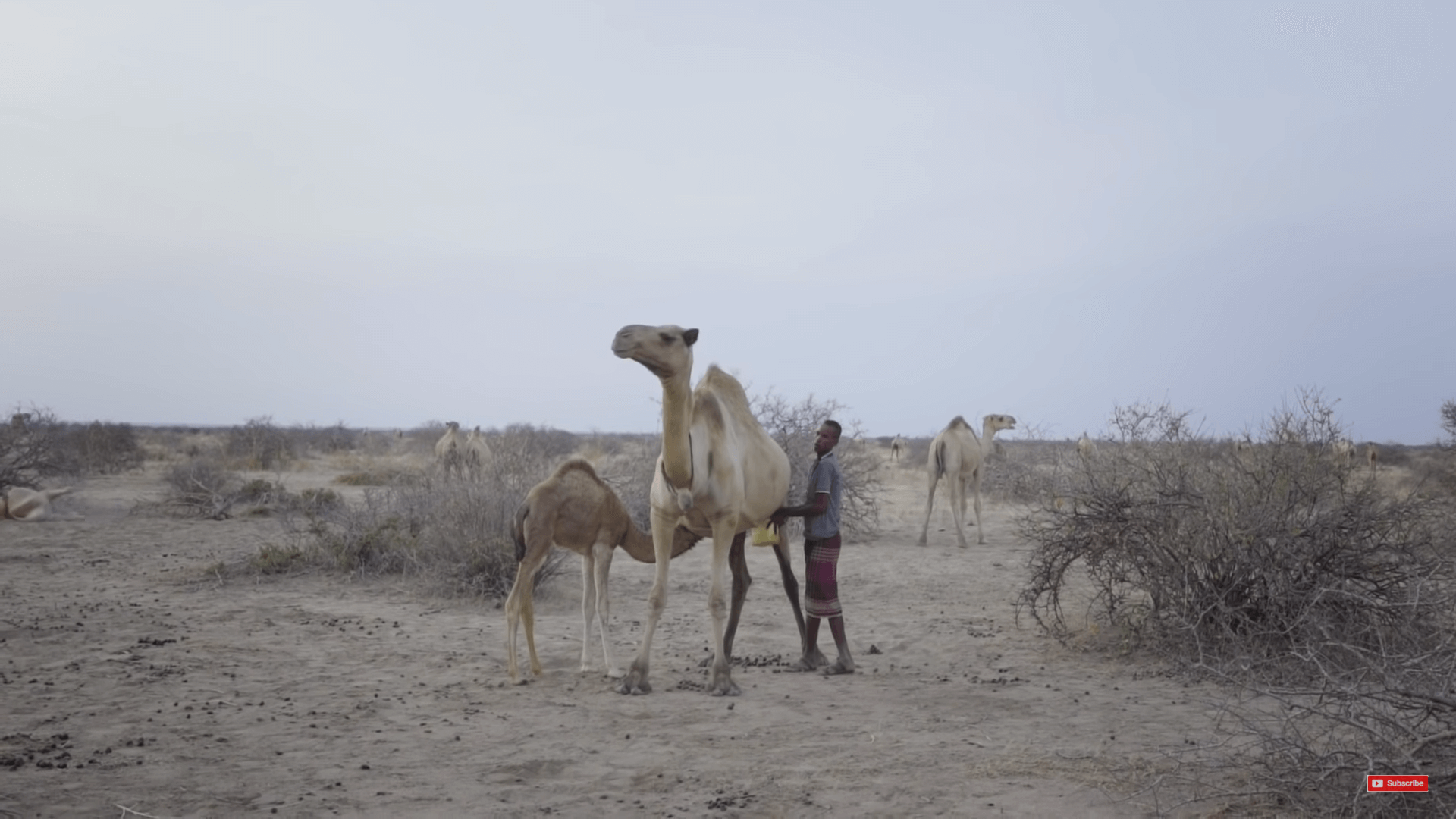
As the climate is changing and drought is now normal, we need to change our way of life. Cattle cannot continue here because of drought and overgrazing has made it so the land cannot sustain them anymore. Instead, I am leading pastors towards camels to take the place of cows. A pastor can support themselves, their family and their ministry through camel rearing. The camel is the only animal that can survive in this increasingly hostile environment.
Camels cost about 50,000 Kenyan shillings (about £390) each. This is a lot of money for anyone but there is a great demand for camel milk in local markets because it is highly nutritious. A camel produces over six litres per day and one litre goes for around 90 shillings. With a camel, the pastor will be free to put their ministry first and the rest will follow. Having trained in skills of how to teach, outreach and basic theology they will impact the community in amazing ways.
Building on a cultural tradition, where the eldest child receives a heifer and is expected to gift calves to each younger sibling until all are provided for, the firstborn calf from each pair of camels will be given away to another pastor. In this way, the project grows itself and becomes self-sustaining.
It is my sincere request that friends can help me to boost this mission in this marginalised and arid area so pastors are not suffering anymore, and the rural churches can grow.
In an attempt to adapt to longer and less predictable droughts caused by climate change, a growing number of Kenyans are keeping camels. There are now around three million camels in Kenya, three times as many as ten years ago.
In cafés in downtown Nairobi, camel milk is catching on. It has a longer shelf life than cow’s milk and contains far more Vitamin C. It is rich in iron, unsaturated fatty acids and B vitamins. In Kenya there is talk of a ‘camel rush’, as demand outstrips supply.
Please pray
For Revd Shadrack Koma overseeing multiple congregations and pastoral formation in the AIC North Rift Association.
For church planters in Amaya seeking to share the gospel and bring Pokot and Ilchamus communities together.
For funding to be found to enable APF to sponsor the camel project and enable four pairs to be bought. This will cost £4,000.
For communities in increasingly arid parts of Africa struggling to adapt to increased drought.