Category

eVitabu

Strengthening Ministry in Challenging Times

By eVitabu, Rwanda

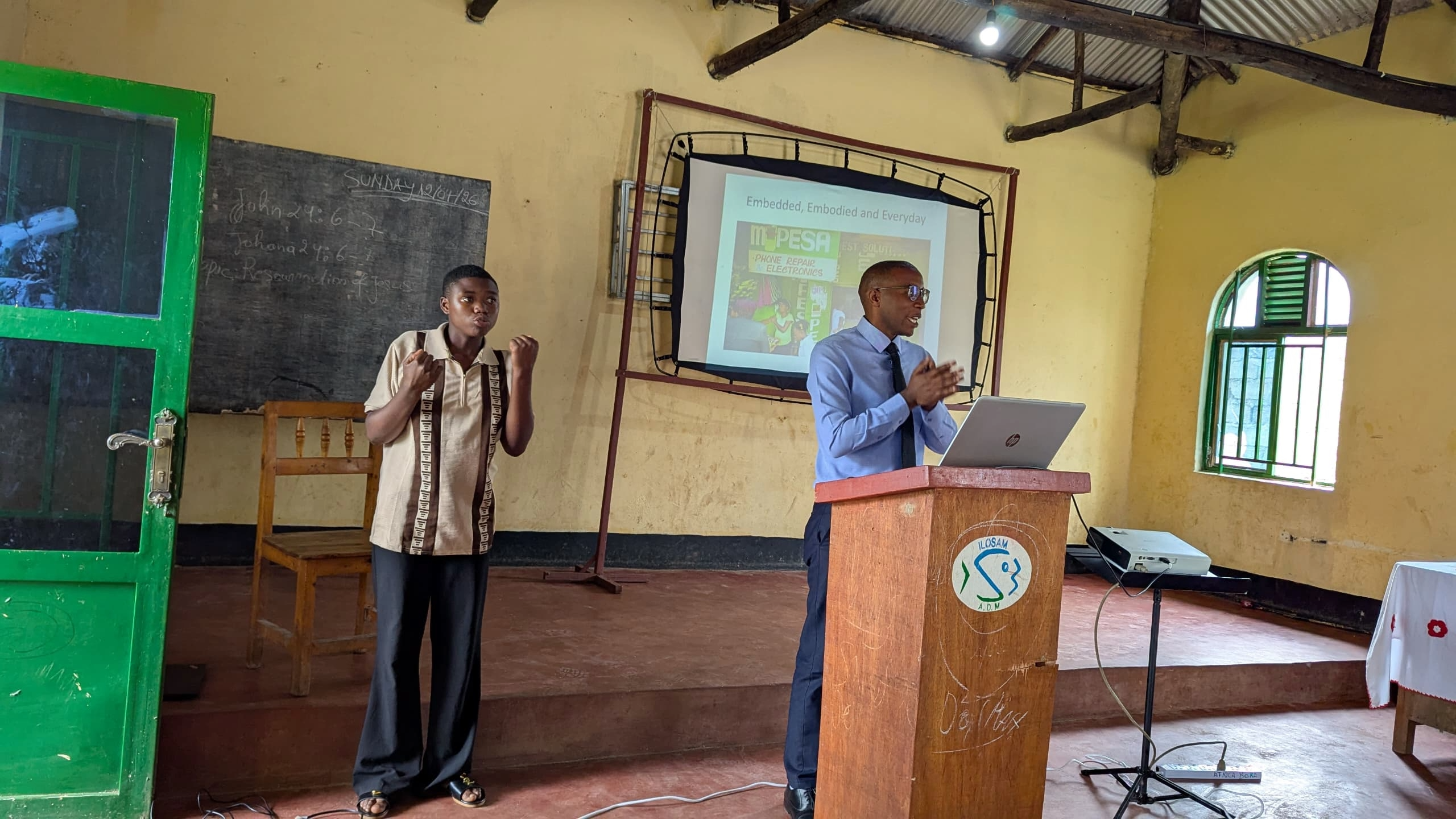
Churches across Africa continue to face many challenges, from periods of disruption to limited access to training resources. In May, pastors and church leaders from across Rwanda gathered to explore how resilient ministry, intentional discipleship and the eVitabu app can help churches remain strong in every season. Victor Imanaturikumwe told us all about the gathering:

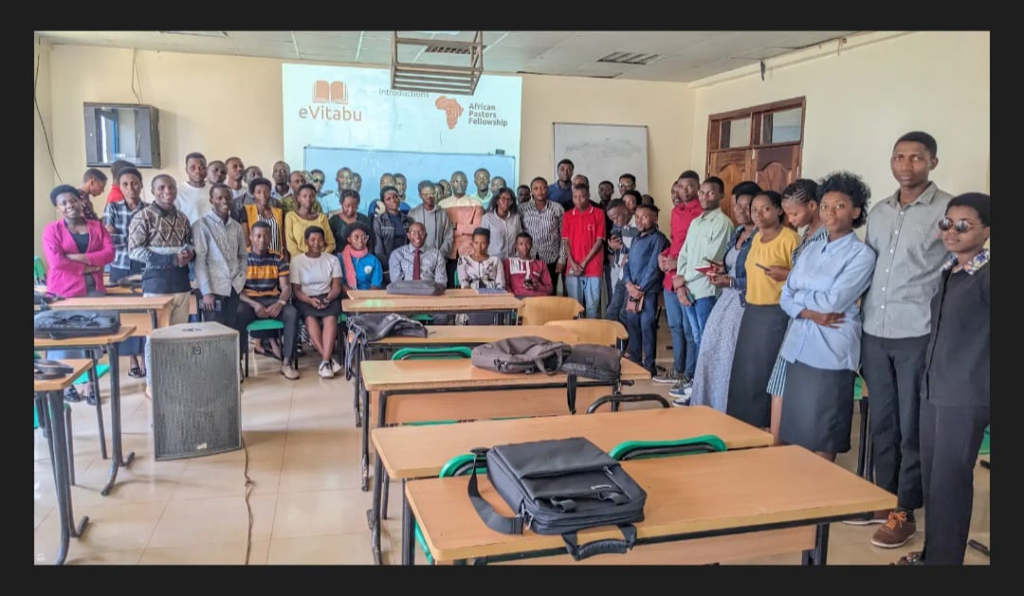
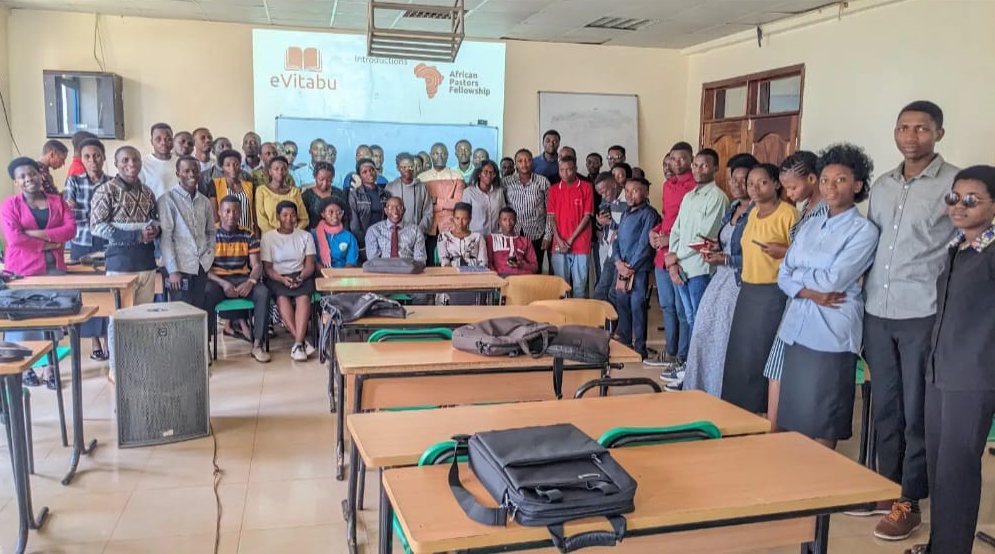
It was a privilege to welcome around 50 pastors and church leaders to Rubavu in north-western Rwanda for two days of training focused on strengthening ministry in challenging times.

Our theme, The Resilient Shepherd, encouraged participants to think about how churches can continue to disciple believers, nurture home-based fellowship and care for their congregations, even when circumstances make traditional church gatherings difficult.

One of the highlights of the training was introducing participants to eVitabu, APF’s offline digital theological library.
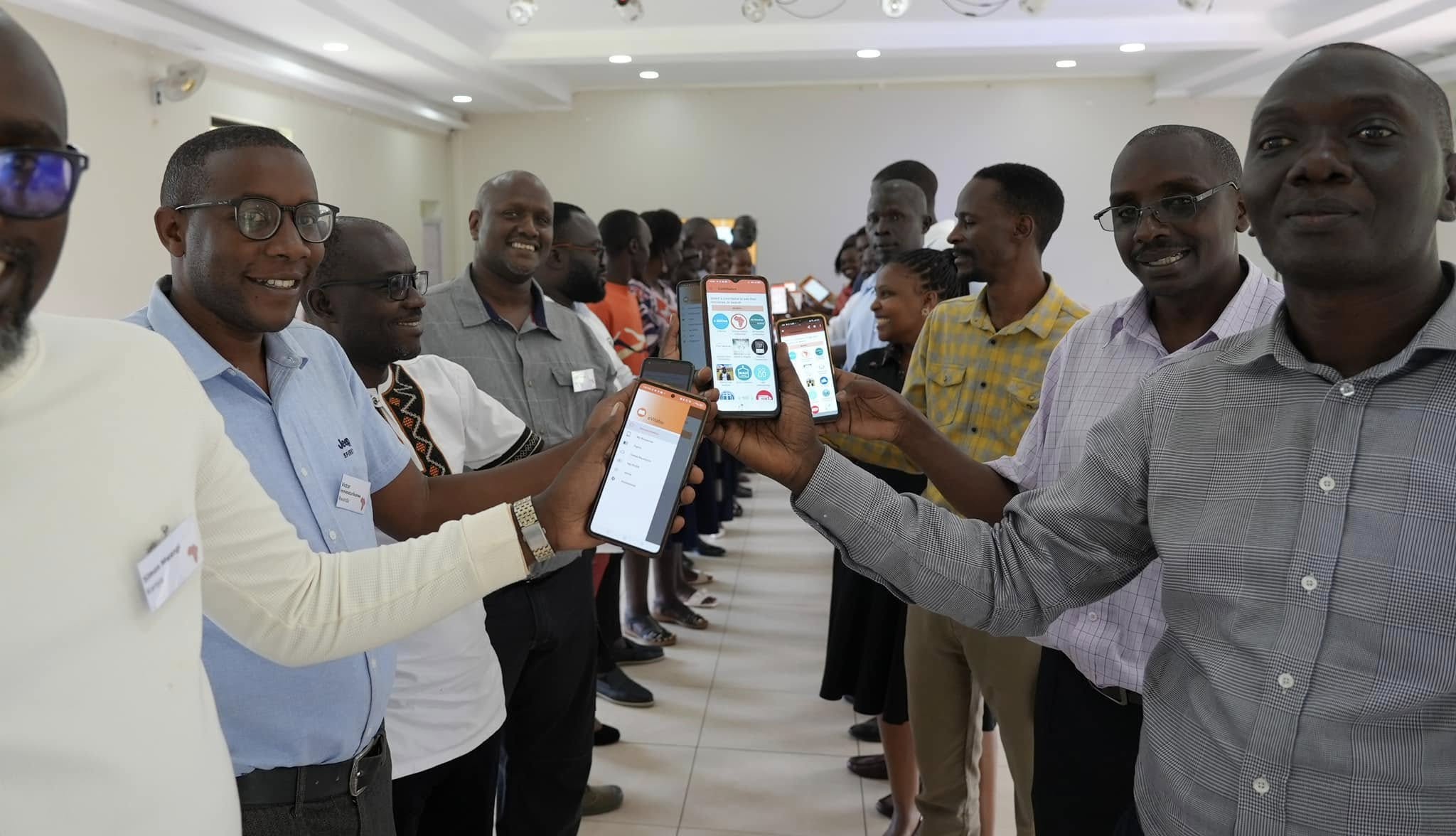
Together we installed the app on participants’ devices and explored how it can support sermon preparation, discipleship and home-based ministry. By the end of the training, every participant had installed eVitabu and was confident in using it as part of their ministry.

The event was also memorable because of the diversity of those attending. We were joined by a pastor from eastern Democratic Republic of Congo, who shared the realities of serving the church in a region affected by ongoing conflict. His testimony reminded us of the importance of equipping pastors with resources that remain available even in difficult circumstances.

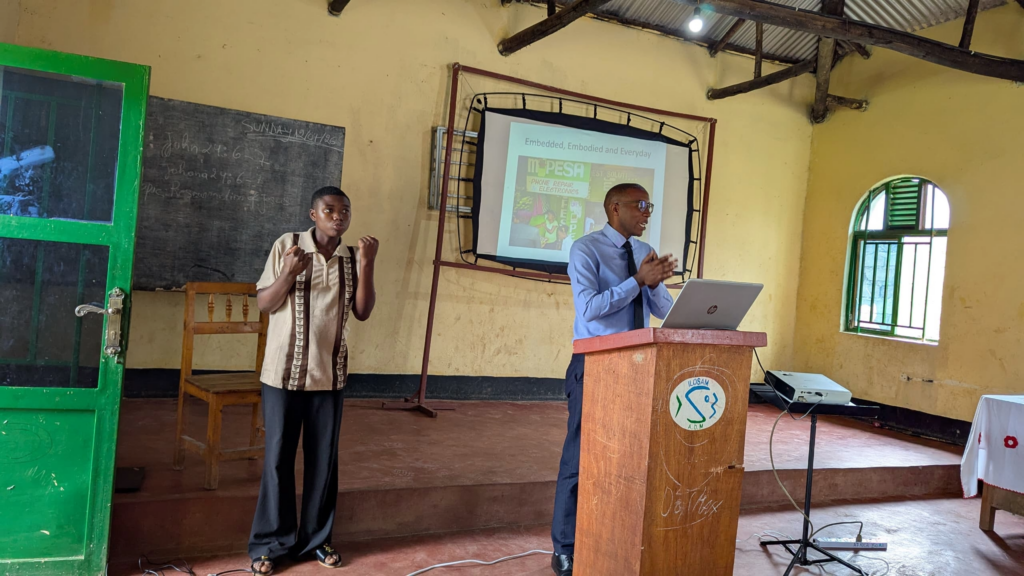
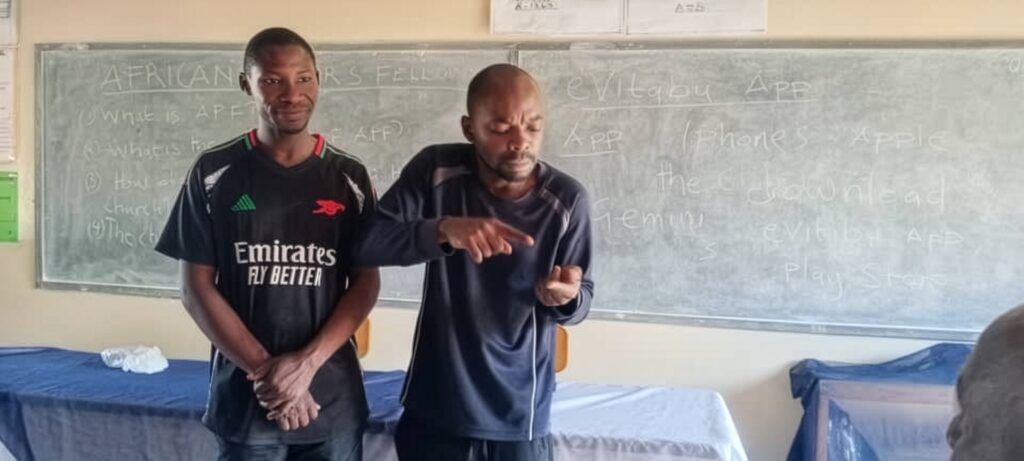
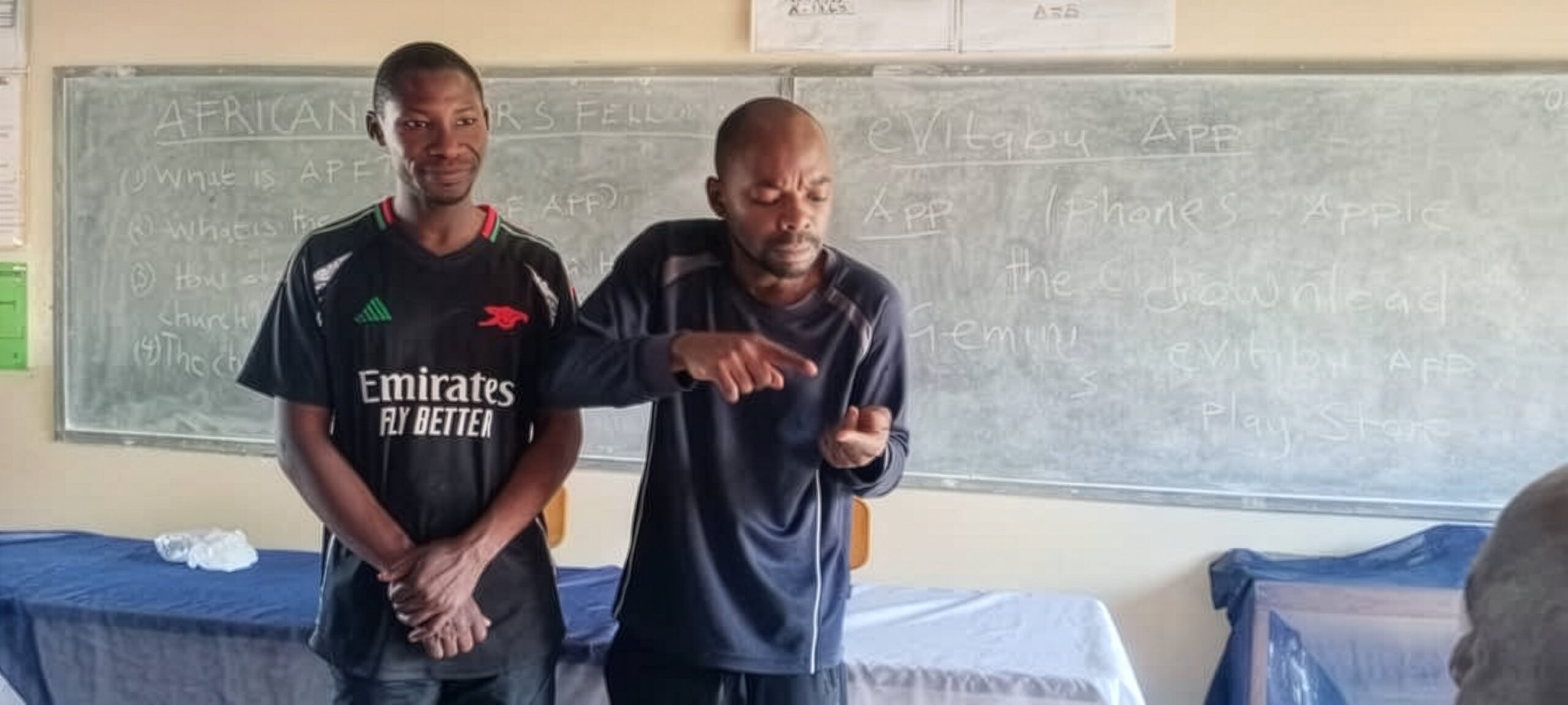
We were also delighted to welcome representatives from Rwanda’s deaf Christian community for the first time, supported by sign language interpreters. Their participation was an important step towards ensuring that APF training is accessible to all and highlighted the importance of building churches where every believer can grow and serve.

We thank God for these encouraging days together and are grateful to APF for making the training possible. Please pray that the pastors who attended will continue to use eVitabu and the other ministry tools they received, strengthening discipleship and helping their churches remain resilient for years to come.
Equipping the Deaf Church in Zambia

By eVitabu, Zambia

Access to Christian teaching can be especially challenging for deaf believers in Africa. Lawson Limao explains how eVitabu is making biblical resources accessible to deaf Christians in Zambia.

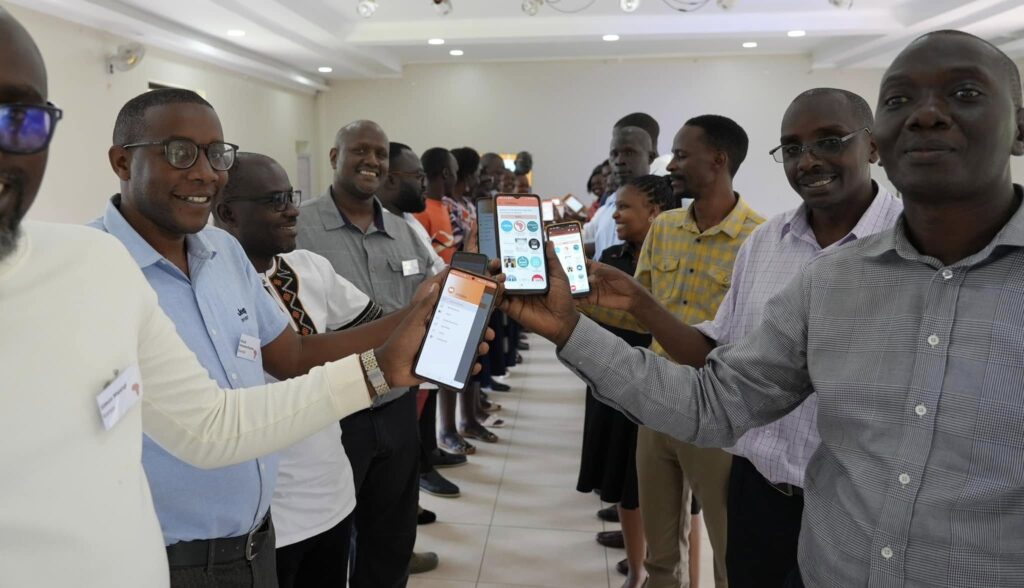
In June, it was a joy to gather with 76 delegates from deaf churches across Zambia for an eVitabu training event in Kitwe. Church leaders and representatives travelled from different regions, united by a desire to discover new ways of helping deaf Christians grow in their faith.

Many deaf believers across Africa have limited access to Christian teaching and Bible study resources that are accessible to them. eVitabu is helping to change that. The app provides a wealth of biblical resources that can be used on a smartphone, making it easier for deaf Christians to study God’s Word, prepare for worship and deepen their understanding of the Christian faith.

During our time together, we explored the app’s features, shared practical ways it can be used in local churches, and discussed how leaders can introduce it to their congregations. It was encouraging to see the enthusiasm of those attending as they realised the opportunities eVitabu offers for discipleship and teaching within the deaf community.

We are thankful to APF for making this training possible. Please pray that everyone who attended will return to their churches equipped and confident to use eVitabu, and that this resource will help many more deaf Christians across Zambia and beyond to know Christ more deeply through His Word.

Beyond the Headlines: Faith and Conflict in South Sudan

By eVitabu, South Sudan

Daniel Deng Bol lives in Aweil, an isolated South Sudanese market town sitting astride the potholed dirt highway that connects Wau with the Sudan border. It takes Daniel several days of uncomfortable and dangerous travel south by bus to get to Juba, South Sudan’s capital city. But despite his remote location and the country’s desperately poor infrastructure, Daniel, and Saints Revival Committee, the para-church organisation he leads, are fast becoming one of APF’s most dynamic and enthusiastic partners. Daniel’s latest update paints a vivid picture of mission and ministry in the world’s youngest country, marked equally by encouraging achievements and formidable challenges.

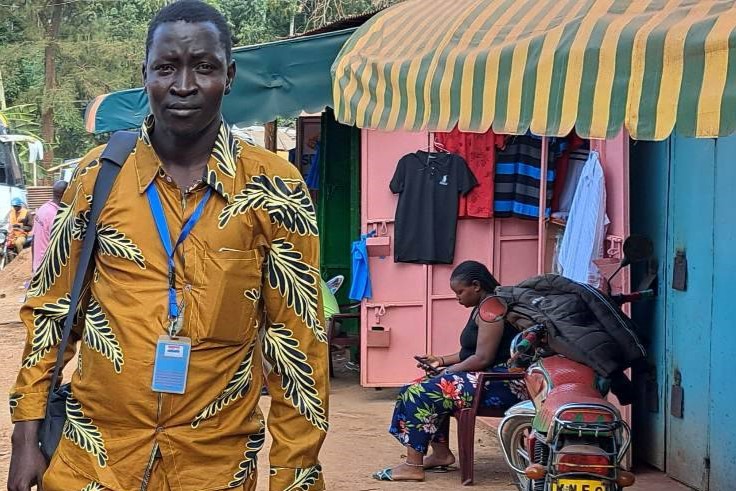
Daniel Deng Bol

Lately, we have held eVitabu conferences in many places: Bhar el Ghazal state, Aweil, Warrap, Wau, Rumbek and even some parts of the Equatoria region. At these events many Christian leaders, government members, NGO workers and teachers learnt about eVitabu.

Now, pastors and bishops are using the app as their main library, reading theological books, evangelism commentaries and leadership materials. Because of this, other NGOs, schools, groups, and individuals have asked to have their organisations included in the eVitabu app.

This training has really inspired many leaders and given new hope to pastors who have been serving, some for many years, without any formal training.

Another exciting outcome from the eVitabu conferences is that the Christian Theological Bible School based in Juba has decided to use books on the eVitabu app to help teach their leadership and theology courses. This decision came after one of their lecturers saw the resources available on the app and appreciated the work, committing the school to teach from eVitabu.

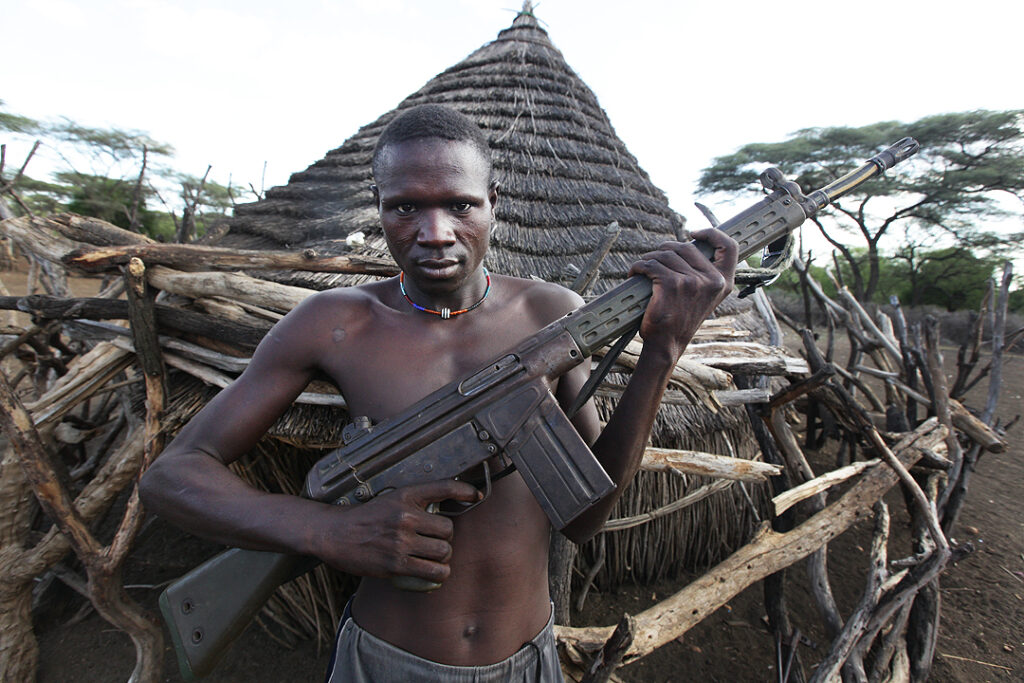
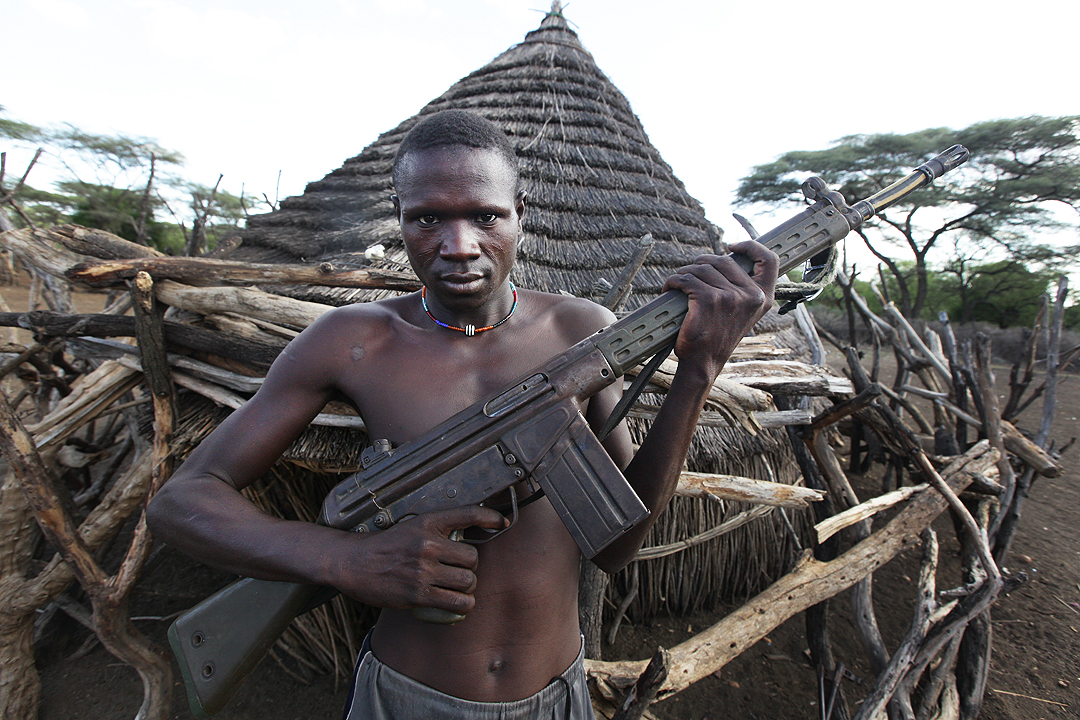
The spread of eVitabu in South Sudan is good news but I need to also report to APF supporters that at this time the general situation in my country is very tense. Many parts are experiencing rising conflict. This has badly affected many ministry activities, with churches burned by rebels and government bombardments happening. Because of this, gospel missions and conferences cannot always go smoothly.

Young South Sudanese soldier
Attribution: CC BY-NC 2.0 Steve Evans

Meanwhile, I see several other new registrations being automatically approved on the eVitabu management system, but these new app users are from Christians living in Cameroon. As Victor is training on-campus in Kigali, Rossa Wanjiru, in Nairobi, Kenya, is delivering an online eVitabu induction for Baptist pastors in Cameroon.

Warrap state is one area that has seen many deaths due to fighting in the community. In the Upper Nile region, civilians faced a deadly attack by rebel groups allied with the Vice President. Children have been killed, and others died from diseases. There are even reports of chemical weapons being used against civilians.

Churches are being burned by rebels, and many pastors and evangelists are even now held as hostages in the bush. I am ashamed to report that many rapes are also being carried out by rebel groups.

Outbreaks of diseases like cholera and illnesses linked to malnutrition are big challenges for displaced people and host communities alike, especially affecting children, women and the elderly.

In recent weeks, this conflict has stopped our plans for two eVitabu conferences in Warrap state. We turned back on the road because it was too dangerous to continue.

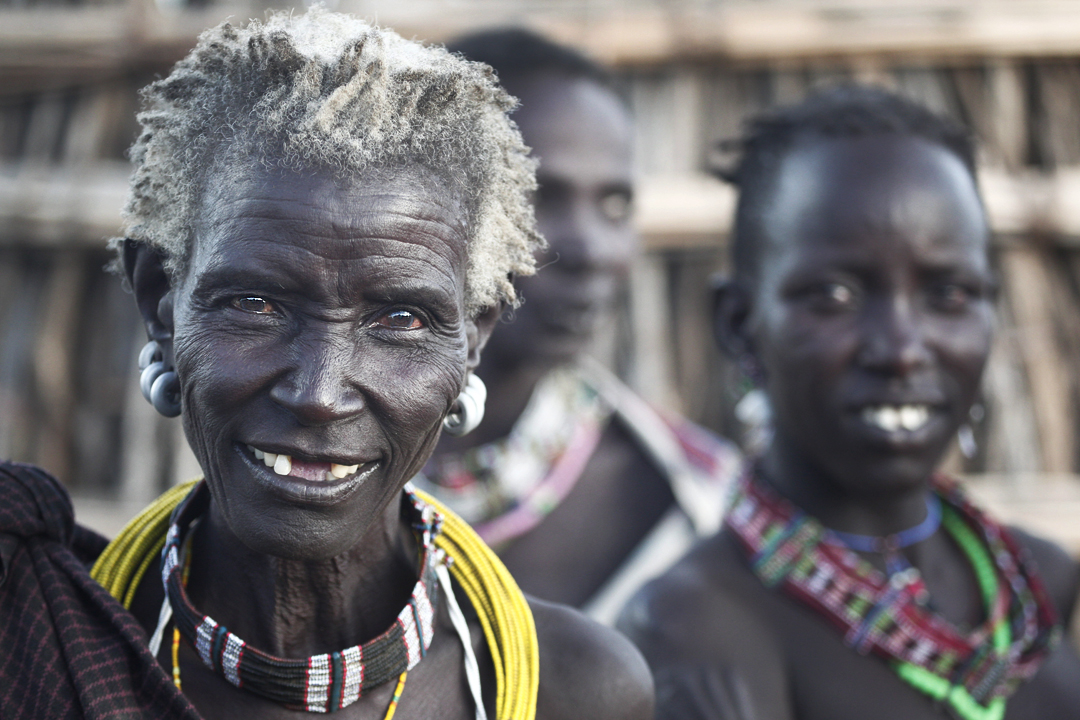
We are asking all APF supporters to pray with us that God would bring lasting peace in South Sudan. We also ask for prayers for those who lost family members in this terrible situation. Some Christian members and their churches are being threatened, killed, tortured or held in the bush by rebel groups. We need to pray together for them so they are freed and reunited with their families.

South Sudanese women
Attribution: CC BY-NC 2.0 Steve Evans

We would love to start a peace project, bringing Christian youth from all ten states for peace training and teaching about how peace helps communities meet their needs without fear. Strong missions are needed, especially in Upper Nile and Warrap, so people can hear that God’s way is one of peace not war.

Congregations with burnt-out churches especially need our support in these two regions. If village chiefs, youths, pastors and local authorities are trained together on peace, they can become peace ambassadors in their areas.

In South Sudan, we are asking partners and donors to keep supporting APF. Both the eVitabu app and APF Bible grants have truly changed many lives, especially now that Bibles are hard to find and very expensive – one copy can cost 60,000 South Sudanese pound (about £10).

Also, the APF bicycle grants are so helpful for pastors here. They use the bicycles to reach ministries far away and to help their families. Since 82% of people don’t have good transport or roads, bicycles are vital for pastors to do evangelism, get to farms and take people who are sick to the hospital. We really pray for continued partnership so we can keep sharing eVitabu and providing bicycles and Bibles.

University of Rwanda eVitabu induction

A good day at the mobile office

By Cameroon, eVitabu, Kenya, Rwanda

Imagine watching the spread of digital ministry unfold in real-time across Africa! Dave offers a glimpse into a typical Tuesday at APF, where new eVitabu registrations from across Africa demonstrate the app’s growing influence and vital role.

University of Rwanda eVitabu induction
eVitabu workshop at the University of Rwanda

It is Tuesday 25th February and I login to the eVitabu management system (EVM) on my phone, while I prepare a funding application, sup coffee and answer emails on the laptop. I can see dozens of new eVitabu registrations from Rwanda and remember that Rev Victor Imanaturikumwe, our most active training partner in Rwanda, is leading an in-person eVitabu induction seminar at the University of Rwanda Education Department. By the end of the day, more than 70 students from the university downloaded and registered accounts on the app.

eVitabu is exceptionally valuable to the church in Rwanda where strict government legislation around leadership training, organisational governance and building standards has resulted in thousands of church closures. Where a lack of resources makes compliance with the government regulations impossible for many congregations, APF’s digital teaching and training solution is a great opportunity and enables churches to function. Throughout 2025, Victor is receiving an annual grant so he can plan as many similar training events as possible.

Victor Imanaturikumwe

Meanwhile, I see several other new registrations being automatically approved on the eVitabu management system, but these new app users are from Christians living in Cameroon. As Victor is training on-campus in Kigali, Rossa Wanjiru, in Nairobi, Kenya, is delivering an online eVitabu induction for Baptist pastors in Cameroon.

As an IT specialist, Rossa has provided eVitabu support in Kenya and Uganda for several years. She is now developing a portfolio of online training options for eVitabu users from across Africa. Next week, she will gather a cohort of leaders from Reverb Network when delegates from Burundi, Malawi and Uganda will also gather online.

Returning to the eVitabu management system, a couple of new registrations catch my eye. One is a pastor from Angola and another is from Eritrea. These represent ‘organic’ growth in uptake of the app. Perhaps these leaders have had a recommendation, done some online research looking for training tools, or have simply happened upon eVitabu while searching online for something else.

Rossa Wanjiru

People who discover eVitabu in this way often turn out to be some of the most engaged and innovative eVitabu users, perhaps because they are motivated and already digitally literate when they first install the app.

Being able to offer eVitabu to dedicated, but under-resourced Christian leaders like these from Rwanda, Cameroon and elsewhere is a unique privilege. It is an expression of ministry I would never have imagined pioneering. Being able to clearly track activity (not just in terms of new users but also see how users are engaging with the resources on the app) makes it relatively easy to monitor the app’s impact and offer additional ministry support when it is sought.

This approach is also revolutionising how APF operates. We now have an exceptional and highly motivated network of African training partners whom we are releasing to serve their peers with training both in-person and online. While there will always be a need for UK-based APF staff to visit Africa, building on this growing network of training partners rather than delivering training ourselves is proving wonderfully effective.

As I got on with some other charity admin tasks, it was very special to see in realtime on my phone the spread of the Word of God, potentially reaching thousands of people through Victor and Rossa’s efforts.

By the end of the day, I had seen more than a hundred new eVitabu registrations from four different African nations. It was a good day at the APF mobile office!

Important Changes to eVitabu Sponsorship

By eVitabu, Uganda

In September, the APF team travelled to Uganda to connect with key partners from across Africa. The focus of the conference was to hear directly from African leaders already utilising eVitabu. By understanding their experiences and challenges, we aim to improve the app to better meet their evolving needs.

It is five years since we launched the eVitabu individual user sponsorship programme. The number of eVitabu users in Africa is now well over 2,000 and continues to grow almost daily but the number being sponsored is just 70. eVitabu will always be free to install for church leaders in Africa but there are significant costs to APF to keep the app available and make important improvements.

If you do not already, I am appealing to supporters to consider sponsoring an eVitabu user. You can do so by going to africanpastors.org/evitabu and signing up to sponsor a pastor using eVitabu.

If you are already a sponsor, from 1st February 2025, we will increase sponsorship from £5 to £7.50 per month. I hope this will not be off-putting. It remains less than the price of a paperback book to place an entire library in the hands of a dedicated but under-resourced pastor in Africa.

Thank you!
Andrew Richardson
Treasurer

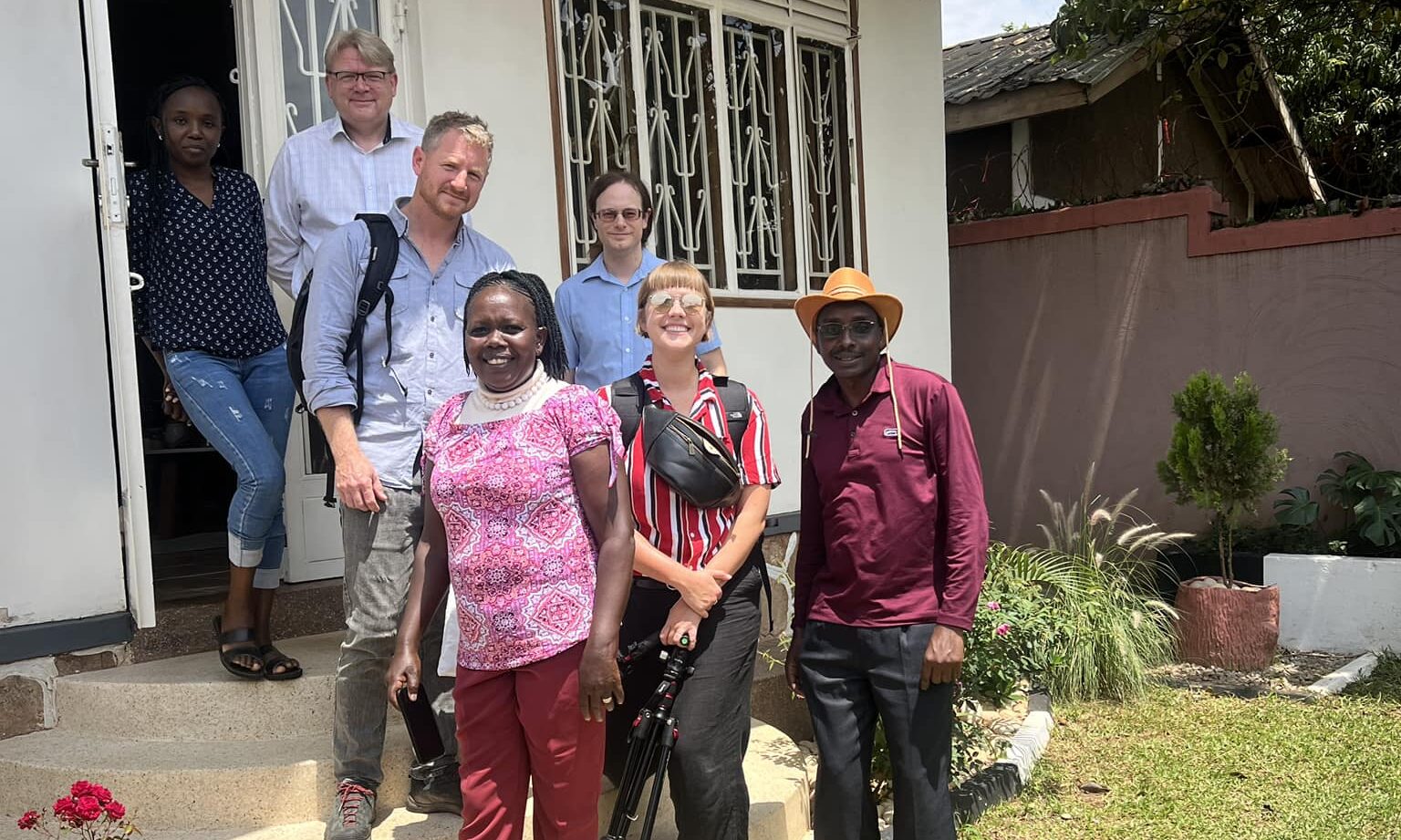
Some of the APF team with TCN delegates from Kenya
eVitabu Conference in Kampala
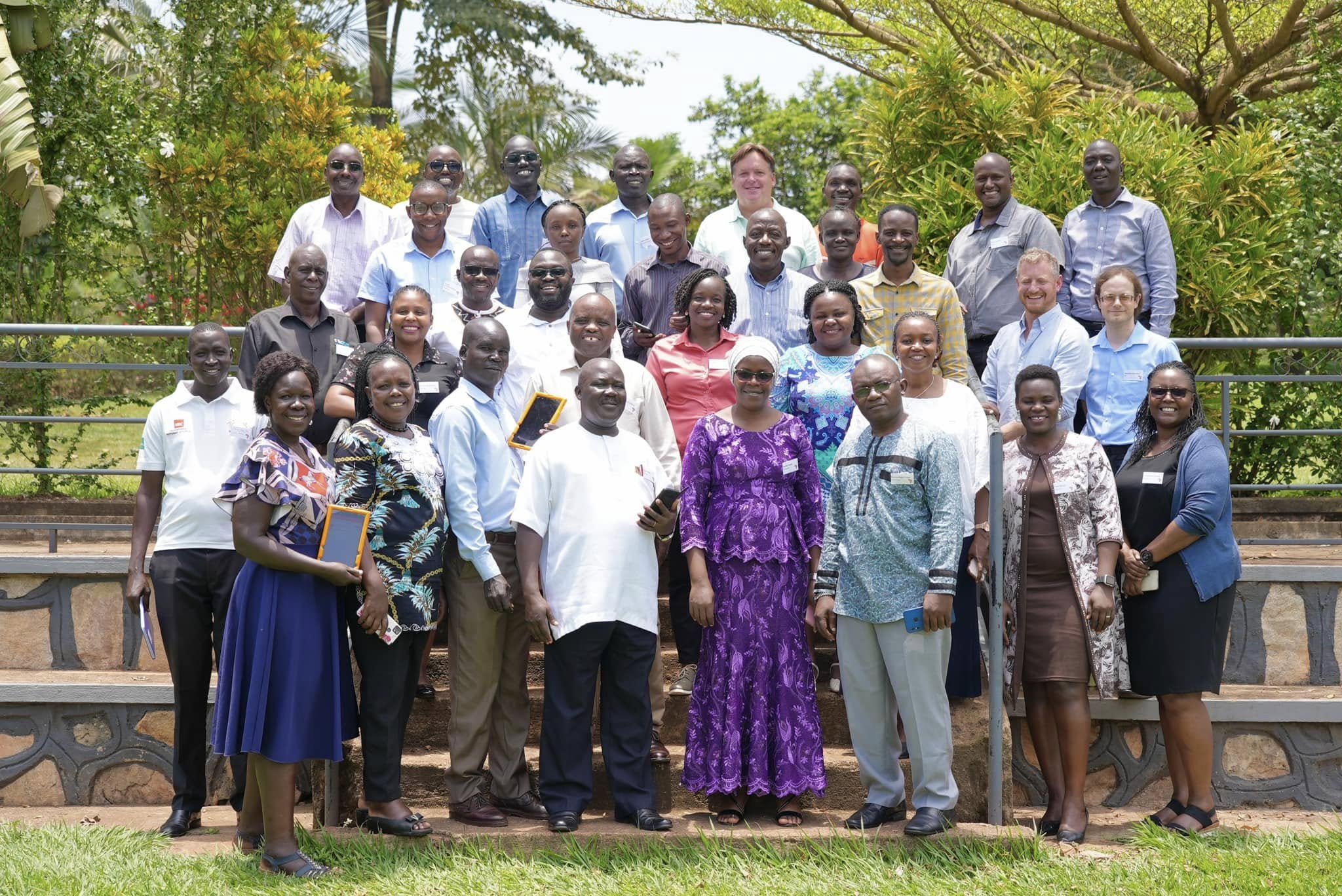
eVitabu conference delegates

Ministry in the Digital Age

By eVitabu, Training

By Revd Dave Stedman.

During my recent visit to Kenya I was privileged to be the one of the speakers at the Baptist Convention of Kenya general assembly. More than 2,000 delegates gathered at Kanduyi in Bungoma County not far from the border with Uganda for the event. In addition to sharing information about eVitabu, I was invited to speak about Christian ministry in the digital age. The talk was well received and several exciting new contacts were made, not least with the Kenya Baptist Theological College and the Aberdare Baptist Convention that covers eight counties in central Kenya, around 300 churches, and borders the Central Rift Baptist Convention with which we have partnered over the past decade.

Here is an edited version of what I shared at the convention:

The world has changed. We are more connected than ever. Twenty years ago, before my first ever visit to sub-Saharan Africa, a simple email exchange took several weeks. My contact in Uganda lived deep in the village and had to walk several kilometres to find a boda-boda (motorcycle) to carry him to a matatu (taxi bus) stage where he could get a ride into Soroti Town. On reaching town there may or may not be power and regardless, there was never a guarantee of an internet connection at the cybercafe. The round trip was both costly and time consuming.

Today, that same man still lives deep in the village but with his smartphone he can send instant messages, make video calls, take selfies, engage with social media and bank online. The world has changed, and this new digital age has implications for both ministry and mission in Africa.

As followers of Jesus, and especially as Christian leaders, how do we share the everlasting gospel in this ever-changing media landscape? Luke 4:14-30 provides some transferrable lessons that can help us navigate our response and engagement to the increasingly embedded, embodied and everyday reality of mobile media technology. You can like it or loathe it, but you cannot ignore it. For most it is impossible to avoid.

Jesus engaged with the technology of his day.

“Jesus took the scroll, read from it, then rolled it up.” Jesus often used the technology of the day to enhance his ministry: boarding a boat for a pulpit, fashioning a whip in the temple, even being executed on a piece of hideous technology. Human beings are technological creatures, participants in God’s creative process. We should not fear digital technology any more than any other form of technology but it should be handled with care; deliberately, intentionally and strategically for the Kingdom.

Meredith Gould wrote this prayer back in 2010. It is a contemporary take on Saint Teresa of Avila’s prayer ‘Christ Has No Body’ and is helpful as we consider our online engagement:

Christ has no online presence but yours,
No blog, no Facebook page but yours,
Yours are the tweets through which love touches this world,
Yours are the posts through which the Gospel is shared,
Yours are the updates through which hope is revealed.
Christ has no online presence but yours,
No blog, no Facebook page but yours.

— Meredith Gould

Jesus was in his hometown but announced a mission to the nations.

Jesus reads from Isaiah 61 with its Jewish notion of ‘jubilee’ – a day when debts would be cancelled, slaves set free, land laid fallow and the sick restored. This message met with everyone’s approval. You can almost sense sage heads nodding and the amens being raised. But he then suggests that jubilee is not confined to the ethnic nation of Israel but is for widows from Sidon and lepers from Syria. Jubilee is for foreigners, for Gentiles as well as Jews: a mission to the nations.

The Church has a long tradition of missionary endeavour, faithful servants travelling to the ends of the earth to share Christ. But I want to suggest in the digital age we carry the nations in our pocket, the ends of the earth are a swipe away. There are a myriad of new communities, cultures and people groups online not limited by borders. This is a mission-field as much, perhaps more, than the geographic nations. The church needs to be there, not just present, but active. We need a mission to the Metaverse!

Jesus faced opposition but was resolute and determined.

The suggestion that the gospel was for gentiles as well as Jews was not well received. The religious elite take Jesus to a precipice and want to throw him off the cliff. Somehow he escapes but the episode highlights the reality that the announcement of the gospel will not always be welcome, and may even make us unpopular. As much care needs to be taken online as with in-person interactions to share the truth in love. We must not to use anonymity to be unnecessarily provocative, unloving or unkind but promote peace and pastoral concern in every engagement.

The key phrase in the entire text comes in verse 21 when Jesus says, “Today this scripture is fulfilled in your hearing”. The time has come, the Kingdom is near. This means today, not just one day in the distant future, but now and every day, present and continuous. Today, this technology is our technology! Today, this freedom is our freedom! Today, this mission is our mission and today, the Spirit who anointed Jesus, is our Spiritual power-bank too! Most of us are called to mission at home, others to the nations, but who is being called to the Metaverse?

Equipped for Digital Ministry

By eVitabu, Training

In November 2023, APF launched an exciting partnership with Spurgeon’s College to offer APF partners and eVitabu users a unique opportunity to enrol for the Equipped for Digital Ministry course (EfDM). Dave Stedman explains what the course involves and why it is so important.

Ownership of a smartphone is now an essential prerequisite for candidates applying to study at many universities, seminaries and Bible schools in Africa. Digital devices are no longer ‘luxury’ items but essential tools for business, banking, entertainment, travel and study.

With mobile subscriptions in sub-Saharan Africa set to reach 685 million by next year, the need for training in the use of digital tools for ministry and theological reflection about the relationship between human beings, technology and God are as urgent in Africa as in any other part of the world.

EfDM is a six-module online course. Students can work at their own pace, and the completed course leads to a college certificate. Learning and assessment requires students to engage at both an academic and vocational level with the following modules:

  • Ministry in a Digital Culture
  • Digital Church: Communications
  • Media Streams
  • Inclusion and Ethics
  • Digital Church in Practice
  • Digital Futures

Over the past two years, as a result of studying for a Masters in Digital Theology at Spurgeon’s College, I now find myself inhabiting a niche area of theological expertise in east Africa with many invitations to open up the subject of digital theology in both formal and non-formal training environments. I’ve delivered numerous Digital Theology Taster Seminars and developed an introduction workshop called The Smart Pastor.

Feedback from these workshops has shown an obvious hunger for more in depth teaching and capacity building in both practical and theoretical aspects of ministry in the digital age. As a result of exposure to The Smart Pastor, there is even a Christian university in Uganda which has committed to introduce digital theology as a core component of its ministry training and is asking for support in developing its curriculum and delivery.

Over the course of this year, through conversations with Spurgeon’s College Principal, Rev Prof Philip McCormack, the possibility of offering EfDM to African clergy began to take shape. Philip recently returned from a visit to Moyo in northern Uganda where he saw first-hand the appetite for learning and the need for capacity building of Baptist pastors from South Sudan.

Spurgeon’s College has generously reduced the price of EfDM for APF partners. Philip sees this as a great opportunity for the college to expand its influence as global

One of the early applicants, Revd Shadrack Koma, a regional overseer in the Africa Inland Church in Kenya, is ambitious and excited about the course and how it will enable his ministry. He writes, ‘[EfDM] will help me to reach out to millions of unreached people in the digital world. By leveraging technology, especially social media and other digital platforms. I look forward to upgrading my ministry digitally.’

Pastor Daniel Masiga from Uganda, who chairs the Christian Leaders Fellowship in Mogadishu, Somalia, is similarly enthusiastic. ‘For me being equipped for digital ministry is an opportunity to be better positioned and better equipped in the cause of advancing the gospel of Christ using technology’ he explains. ‘Technology has a way of magnifying human abilities and learning to use it efficiently is an opportunity I wouldn’t love to miss. Especially knowing that this education is coming from a college and a team of educators such as Spurgeon’s College. In a nutshell, I hope to achieve greater effectiveness and efficiency in digital communication so as to reach people and places I may never be able to physically reach.’

At the time of writing, just one week after applications opened, twenty-three APF partners have already enrolled (although only one has paid). Despite EfDM being offered at a significantly reduced cost to APF partners, £305 remains a lot of money for the average African pastor. For many it is out of reach.

We believe it is important that applicants take financial responsibility for their studies so a proportion of the cost will always be met by the student, but we also appeal to our supporters to consider sponsorship so we can fast-track some of those who enrol but will struggle to ‘mobilise the funds’. As one of my African friends told me just last week, ‘the flower is there, the bees wish to come, and when they do they will go and make honey’.

The EfDM Africa partnership is unique and undoubtedly strategic. Please pray for those that aspire to learn to be enabled to access the training: May they fulfil their personal potential and strengthen the church, practically and spiritually, in-person and online, wherever God has placed them.

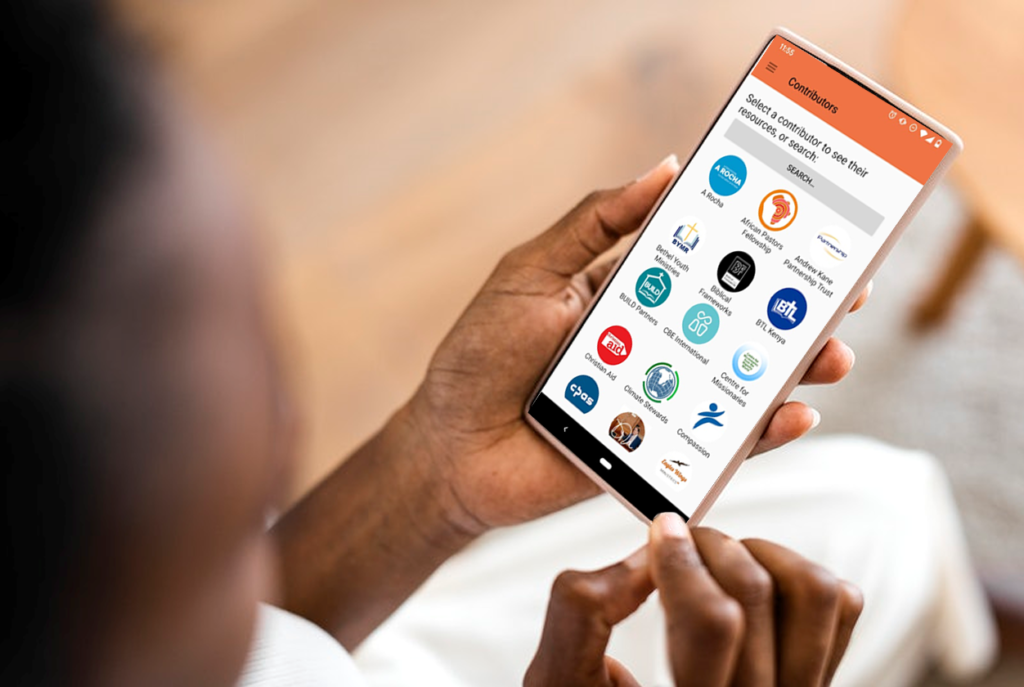
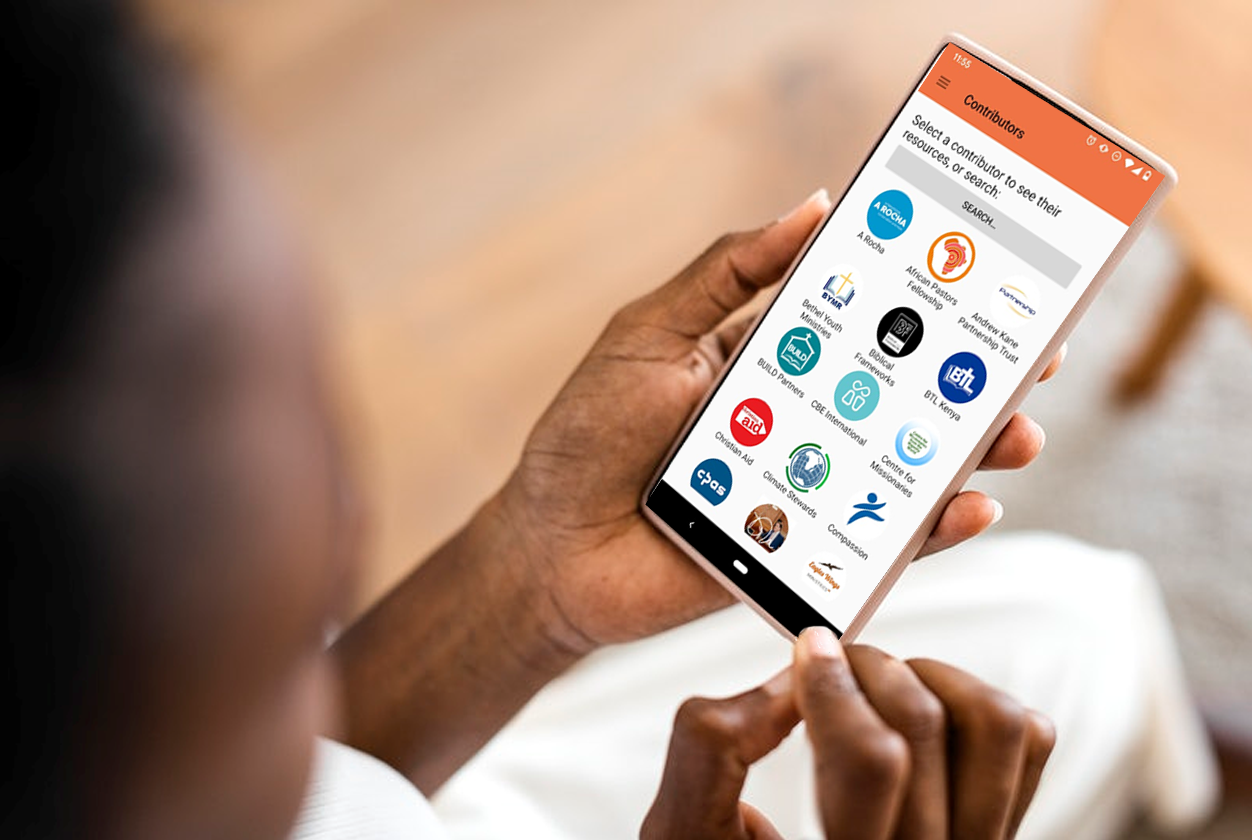
eVitabu on smartphone

Meeting Jesus in all the Scriptures through eVitabu

By eVitabu

Rev Dr Paul Blackham is an Anglican vicar, formerly of St Crispin’s in Islington and All Souls’ Langham Place. He is an author of ‘Book by Book’ study guides published by Biblical Frameworks which are included in APF’s library app, eVitabu. Paul writes, explaining why he feels the partnership with APF through eVitabu is so significant.

The Bible is the most important book in the world. It takes us through the whole history of the universe from beginning to end, but it also speaks clearly about our lives: Why are we here? How should we live? And most important of all, God’s written word points us to His Living Word.

At Biblical Frameworks we aim to give as many people as possible an opportunity to meet Jesus in all the Scriptures. That’s why we developed the Book by Book series of Bible study resources. We are thrilled to be able to share the Book by Book study guides with pastors and churches via the eVitabu platform. What a joy to know that these resources are now reaching so many and helping pastors and churches to get more out of Bible study.

Book by Book is designed for use by individuals, small groups or even whole church congregations. The idea is that we take a whole book of the Bible and unpack the key themes and main messages. We address the author’s purpose, context, and most importantly what the LORD is wanting to say to us through His word.

The study guides, which are all available via the eVitabu app, are set out in six or ten sections with a clear commentary and questions for discussion. A complementary series of videos is available free on YouTube at the Biblical Frameworks’ channel which you can find at www.youtube.com/@biblicalframeworks. There is a 15 minute video available for each section of the corresponding study guide.

eVitabu on smartphone

Book by Book makes studying whole books of the Bible accessible to reveal Jesus throughout and enrich our understanding of Who He is. Many pastors find the material really helpful in preparing for preaching and teaching as well using the studies directly with groups of people in their care.

We at Biblical Frameworks feel privileged to share in the work of the African Pastors’ Fellowship by supporting the unique mobile app eVitabu. Our prayer is that many people across Africa will meet Jesus in all the Scriptures through the app and especially through the Book by Book resources available on eVitabu.

“Thank God for Google Maps”

By eVitabu, Training, Uganda

At time of writing, APF CEO, Revd Dave Stedman, is in Uganda where he’s been working with the Church of Uganda, Somali Christian Fellowship and other long-term APF training partners. He reflects on the exponential growth in digital technology in Africa and the opportunities and challenges it presents for ministry.

Delegates arriving for the APF African training partners conference at Papaya Guest House announced happily on arrival, “Thank God for Google Maps!” The couple had travelled from Mukono to get there, a distance of less than 20km all within the Kampala metropolitan area, yet they found the venue with digital assistance.

I immediately reflected that in nearly twenty years travelling the length and breadth of East Africa – on tarmac highways, maram roads, dusty tracks and dodging potholes – I’ve never seen my driver or fellow passengers refer to a roadmap for directions. We just head in the general direction of our destination and make friends along the way.

I’ve been lost in urban centres and sugar cane plantations, I’ve broken down ‘deep in the village’ and deep in the Rift Valley. Finding the way or mechanical assistance was always a social event, accompanied by smiles and a lot of indiscriminate arm waving. “Just branch at the big tree and continue!” We always reached our destination, sometimes several hours late, but we got there.

It struck me as significant that even in Africa some are now seeking a digital solution in preference to asking their neighbour. At another conference the wife of a senior official passed the time taking ‘selfies’ during a rather dull Zoom presentation. ‘Michael’, a Somali convert to Christianity living as a refugee in Kampala, has launched a YouTube channel targeting Somali youth with the gospel. In Rwanda, churches and Bible schools that remain closed due to government regulations have found creative ways to continue using digital platforms to teach and for fellowship.

It is estimated that by 2025 there will be at least 685 million mobile phone subscriptions in sub-Saharan Africa. That means, statistically at least, there will be a mobile subscription for every adult.1 Urban youth in Nairobi spend more time ‘on screen’ every day than any comparable group globally (7 hours, 40 minutes).2

The mobile phone banking service Mpesa has transformed how business is conducted throughout Kenya. In 2019, 87% of Kenya’s GDP was transacted using Mpesa and similar mobile banking platforms.

Africa is changing and the change is rapid. The changes also have huge implications for mission and ministry. What does it mean to be an African pastor in the smartphone era? How is APF responding?

Digital Tools

When we launched eVitabu in 2018, little did we know that a pandemic was coming that would accelerate the use of digital solutions globally to enable communication, training and church online. eVitabu continues to position APF ahead of the curve by offering a digital tool to resource African pastors across the continent. eVitabu currently reaches an estimated 1.5 million believers with contextualised materials that enrich faith, resource ministry and contribute to healthy Christian communities.
Increasingly APF receives requests for phones, tablets and laptops to be used as ministry tools and we invite you to consider donating your used devices to help us respond to such requests.

Digital Training

Having a device is one thing; using it effectively is another matter. For example, at our conference for Church of Uganda clergy in June, two major training needs were identified. First, there were leaders who wanted to learn how to unleash the full capacity of the phone in their pocket. They wanted training on using office apps, advice on protecting themselves and others online and help developing a digital strategy for their church or community organisation.

Another group needed much more basic support such as learning how to navigate a touch screen or discovering that a smartphone can be used for much more than just Facebook, text messaging or mobile money. As APF seek to identify and release African Training Partners in every African country we work in, the ability to teach such skills is an increasingly important pre-requisite.

Digital Theology

We are all being shaped by the rapid advance of digital technology, and it has become an important topic for theological reflection globally. Theological reflection around the use of technology is arguably even more vital in Africa, however, where society has leaped from an oral tradition into the digital age so fast. How does technology impact our understanding of who we are in Christ? What does this mean for our sense of belonging to the Body of Christ? How can we share the love of Christ with our neighbours both physically and digitally?

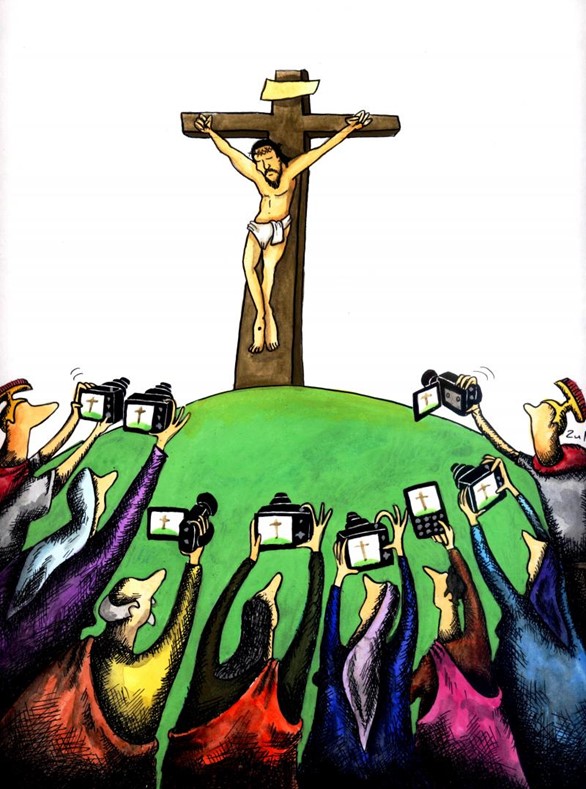
As a simple example, look at the cartoon (above) and reflect on whether what you see is good or bad (or both). I find this cartoon provides a wonderful discussion starter in APF’s ‘The Smart Pastor’ digital theology workshop which has been very warmly received in Bible colleges, universities and amongst networks of Christian leaders in Kenya, Rwanda and Uganda recently.

Thank God for Google Maps? Maybe. What is certain, however, is Africa is changing as the internet becomes ‘embedded, embodied and everyday’4 across the continent. APF is uniquely well-placed to seize the moment and continue its pioneering ministry to enable effective ministry in the digital age.

Nigeria to London via Ukraine

By eVitabu, Nigeria, UK

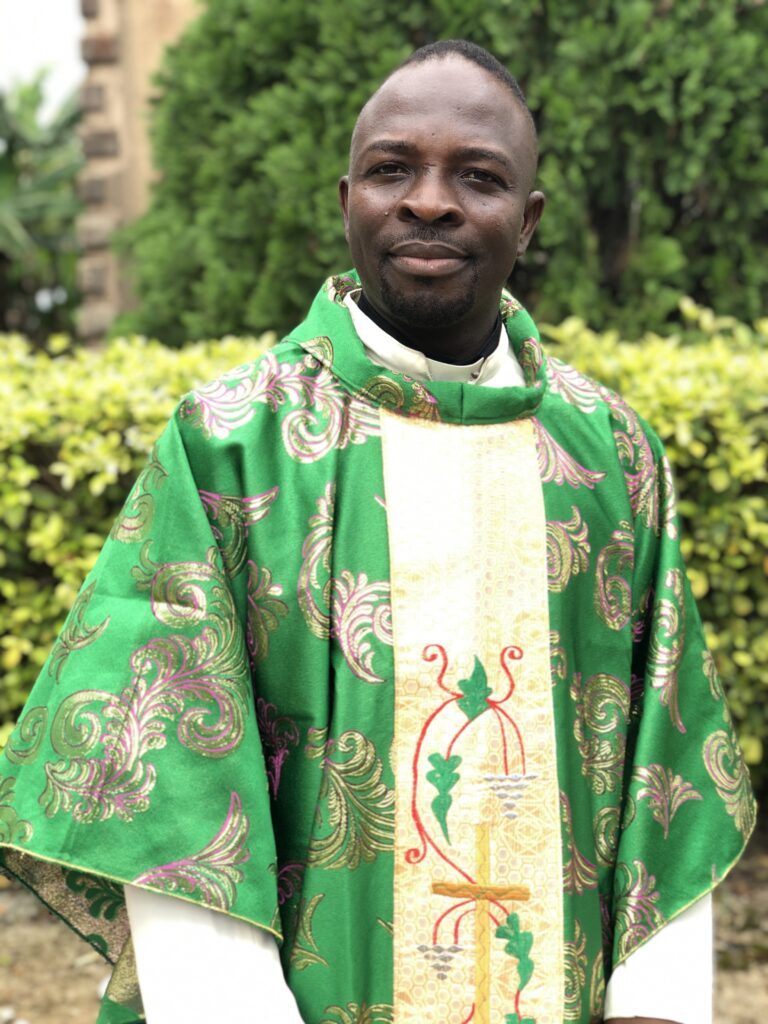
Wherever you find yourself living, my guess is that the route you took to get to where you are today may not be quite as dramatic as the path taken by Father Soloman Ebi Ekiyor. His passion for mission took him from Nigeria to Ukraine, before the Russian invasion forced another major upheaval. He now lives in London where he is studying Digital Theology.

I started my ministry in the Anglican Diocese of Western Izon in Delta State, Nigeria as a parish priest. With a young man’s heart and strength, I always loved to use my gifts to develop relationships with young people, praying for them and sharing the good news of the Kingdom. I had various ministry and administrative responsibilities in the diocese, and in time, I became an Archdeacon and Residentiary Canon of St Matthew’s Cathedral in the riverside city of Patini.

Western Izon Diocese is a missionary diocese spanning Delta State and Bayelsa State in southern Nigeria. It includes the Niger Delta region, a vast and low-lying wetland filled by lakes, swamps and creeks. Countless distributary rivers and streams meander towards the sea where freshwater marshland gives way to brackish mangrove swamps along the Gulf of Guinea coastline.

The people of Bayelsa State are some of the poorest in Nigeria. Many who live in the delta region are cut off from the mainland by rivers and wetlands. They lack access to clean water, electricity, health facilities, transport links, schools and other basic amenities. With rising sea levels caused by climate change, flooding is becoming a huge challenge, adding to other problems such as contaminated soil and water from oil pipeline leaks and toxic fumes from the illegal burning of crude oil (locally called ‘kpo-fire’).

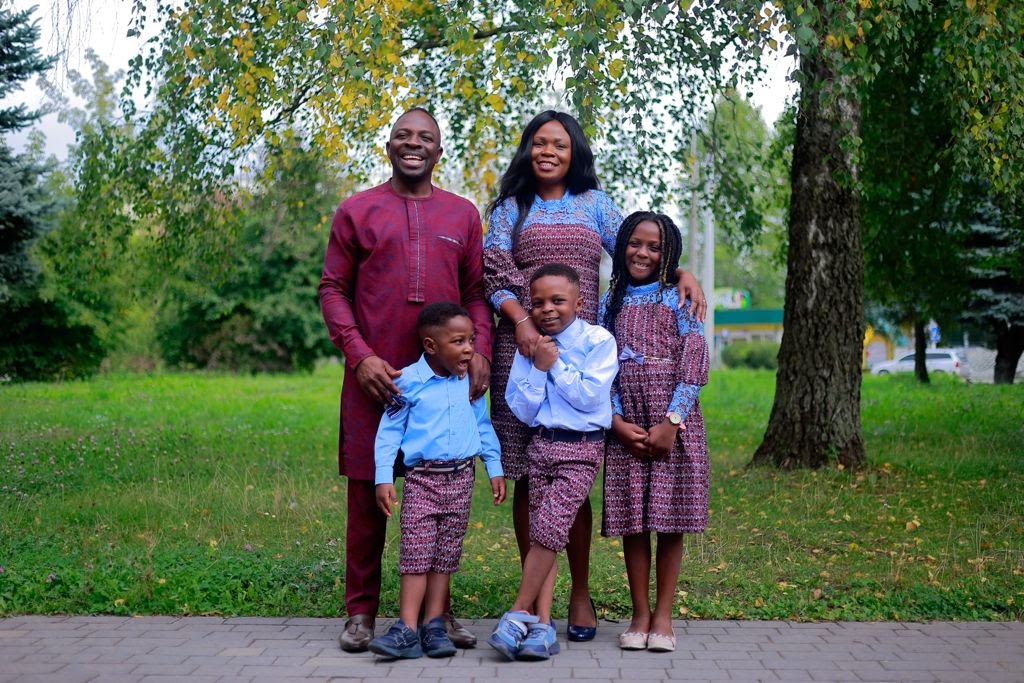
My heart has always been for cross-cultural mission and in 2017 I moved, with my wife, Elas, and our children, Jemima, Jedidiah and Jesaiah, to Ukraine where I was appointed to pastor Nigerian students and the wider English speaking international student community. I served as the head of the Fellowship of Christian Students International in Chernivtsi and Ternopil in western Ukraine and I was also involved in ecumenical ministry, building bridges with the Ukrainian Orthodox Church, the Baptists and Evangelical churches.

My heart has always been for cross-cultural mission and in 2017 I moved, with my wife, Elas, and our children, Jemima, Jedidiah and Jesaiah, to Ukraine where I was appointed to pastor Nigerian students and the wider English speaking international student community. I served as the head of the Fellowship of Christian Students International in Chernivtsi and Ternopil in western Ukraine and I was also involved in ecumenical ministry, building bridges with the Ukrainian Orthodox Church, the Baptists and Evangelical churches.

The Russian invasion of Ukraine profoundly disrupted our lives and the wonderful ministry I served. In the days that followed, I was very busy helping Nigerian students who were struggling to leave the country and were being turned away en bloc at the Polish border. I soon found myself acting as the link between the students and the Nigerian embassy officials in Warsaw.

After that we tried to leave Ukraine ourselves. We first headed for Slovakia, but the border crossing was completely clogged with cars. We then tried the border with Hungary. This crossing was less congested and eventually after much prayer we made it through. After about six weeks in Budapest, we secured visas to relocate to the UK and for the last year, I have continued in missional ministry with the Diocese of Southwark in London.

Also in London, I am now studying for a master’s degree at Spurgeon’s College. It was there that I was introduced to APF and the eVitabu app which is such a great resource for the Church in Africa. I love APF’s approach to mission. Training missionaries and sending them to foreign nations is worth it but it is far more sustainable to raise up, train and equip indigenous people for the work of ministry in their own communities. I believe I am in a good position to understand and appreciate this as a missionary in Europe who was born and raised in poor and marginalised rural communities in Africa.

I look forward to APF extending their work in Nigeria, especially in the Diocese of Western Izon. Let us continue challenging ourselves to step outside the box and seek the Lord’s guidance on how to passionately and faithfully live out His call for mission.