Category

Tanzania

Heavenlight’s climb for APF

By Fundraising, Tanzania

 Pastor Heavenlight Luoga has been an APF partner for many years, receiving support to deliver training conferences in Tanzania, Burundi, DR Congo and Rwanda. During the conference in Nairobi, Heavenlight shared an idea to help raise resources for his own ministry and other APF African Training Partners.
Greetings from Karagwe in north-west Tanzania!

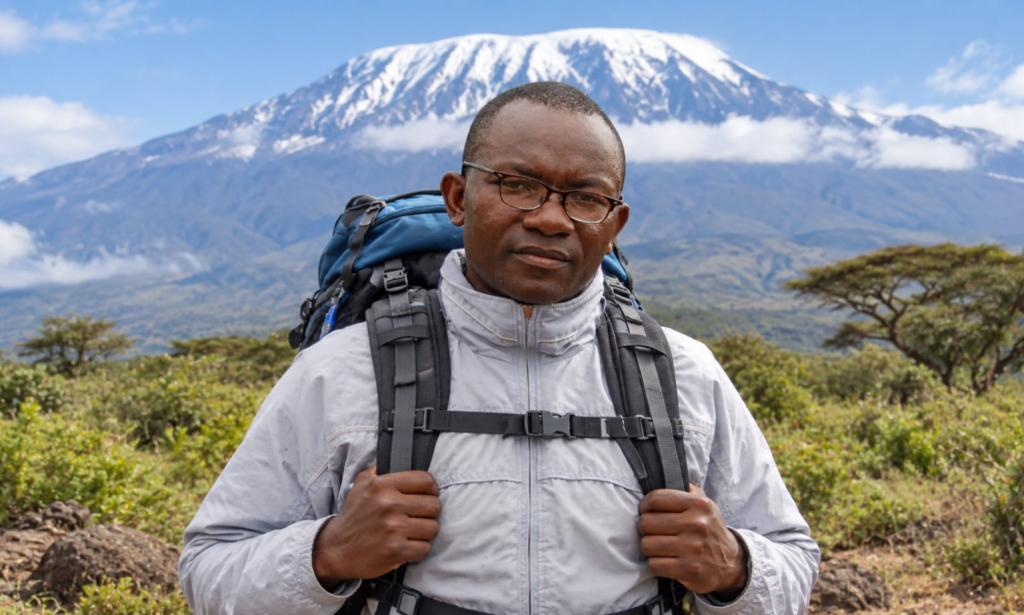
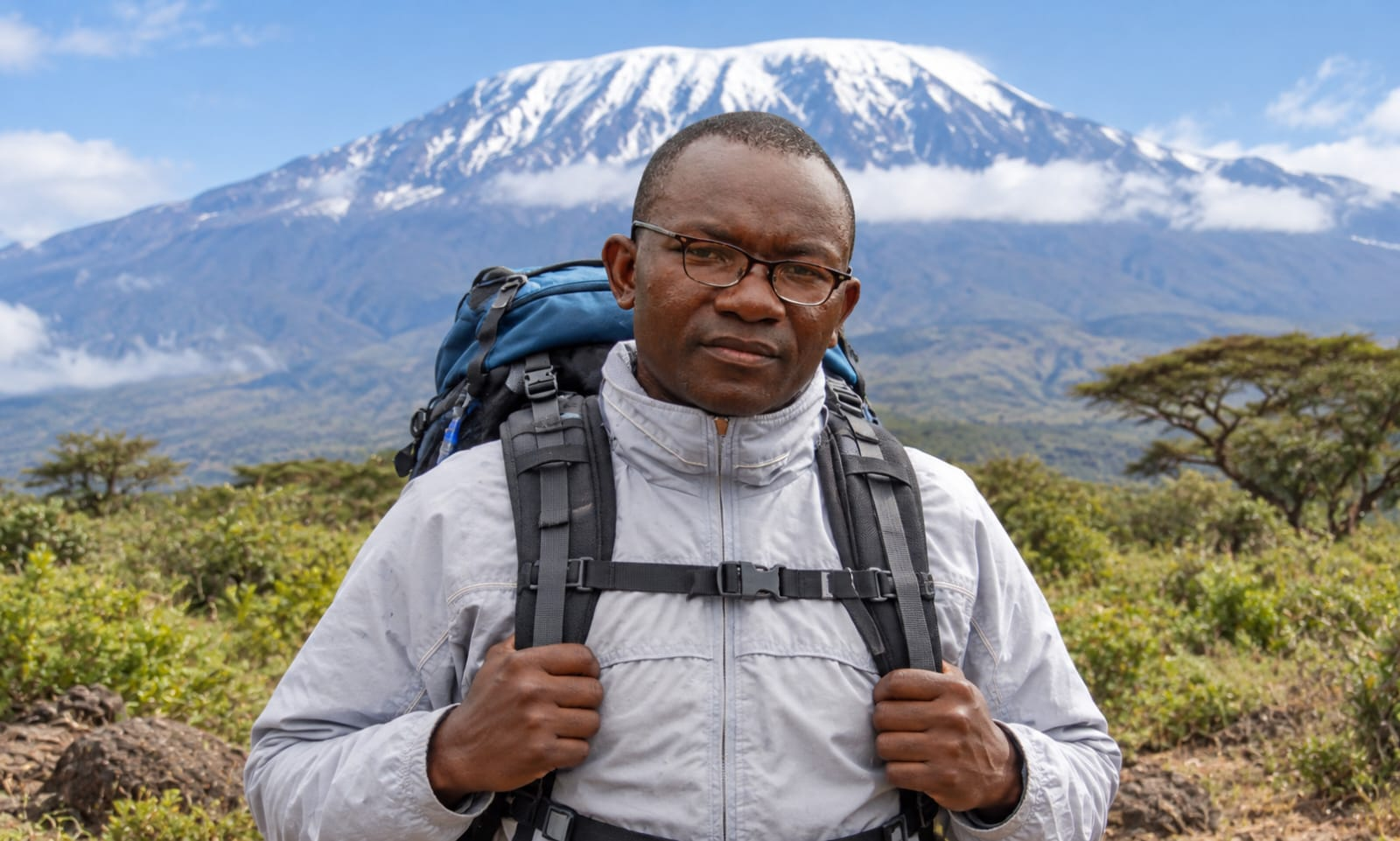
In the third week of February 2027, I will take on a great challenge: climbing Mount Kilimanjaro, Africa’s highest mountain, standing at 5,895 metres above sea level. This will not be an easy journey. For six days I will climb through different environments, pushing myself step by step towards the summit.

My theme for this journey is “One Step Up the Mountain: God’s Word to the Nations.”

I want this climb to be more than a personal achievement. I want to use the challenge to help APF strengthen the work of training and equipping pastors across Africa. Through my own ministry, Make Africa Preach (MAP), and alongside other APF- supported training partners, we are seeking to help more pastors teach God’s Word faithfully and effectively.

I am therefore asking friends, churches and ministry partners to stand with me through sponsorship.

Would you prayerfully consider sponsoring my climb? Your gift will help me take each step knowing that I am helping APF take further steps in equipping others. Your gift can be made to APF using the link below.

I am believing God for stamina and safety: “I can do all things through Christ who strengthens me” Philippians 4:13.

I am believing God for £15,000 for APF to use supporting African Training Partners.

I believe God will do it!
Sponsor Heavenlight's climb

We have not come this far, to only come this far

By eVitabu, Kenya, Malawi, Rwanda, Tanzania, Uganda, UK, Zambia

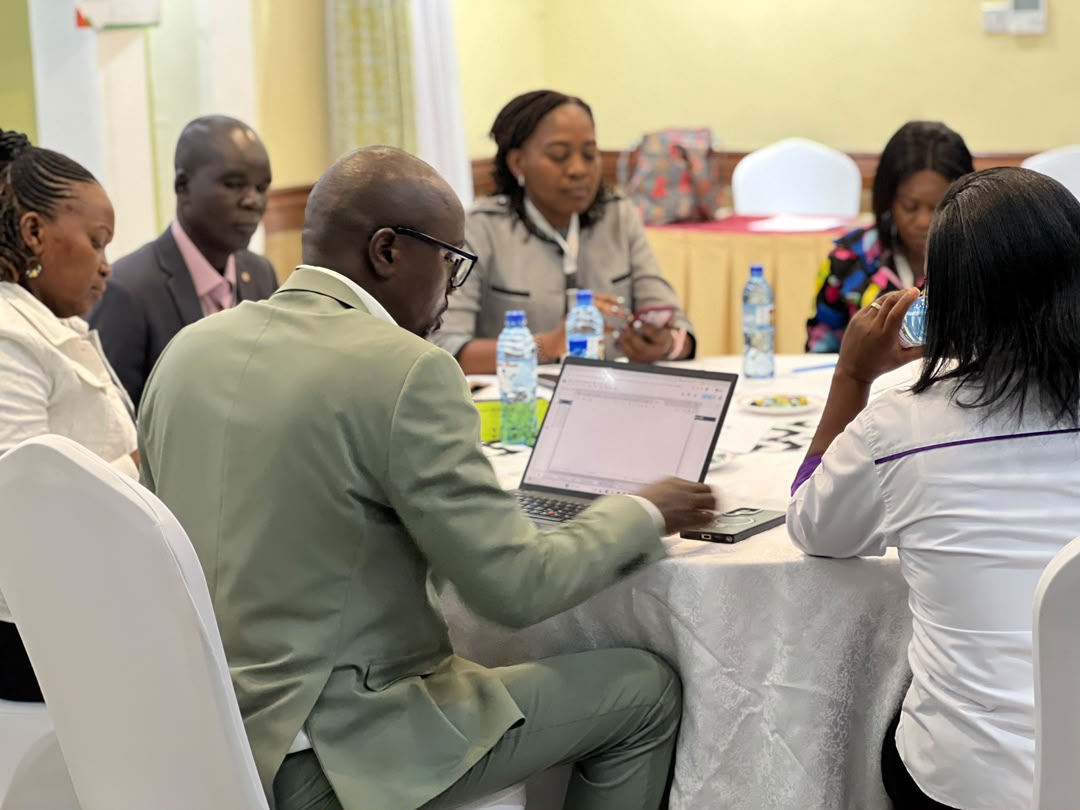
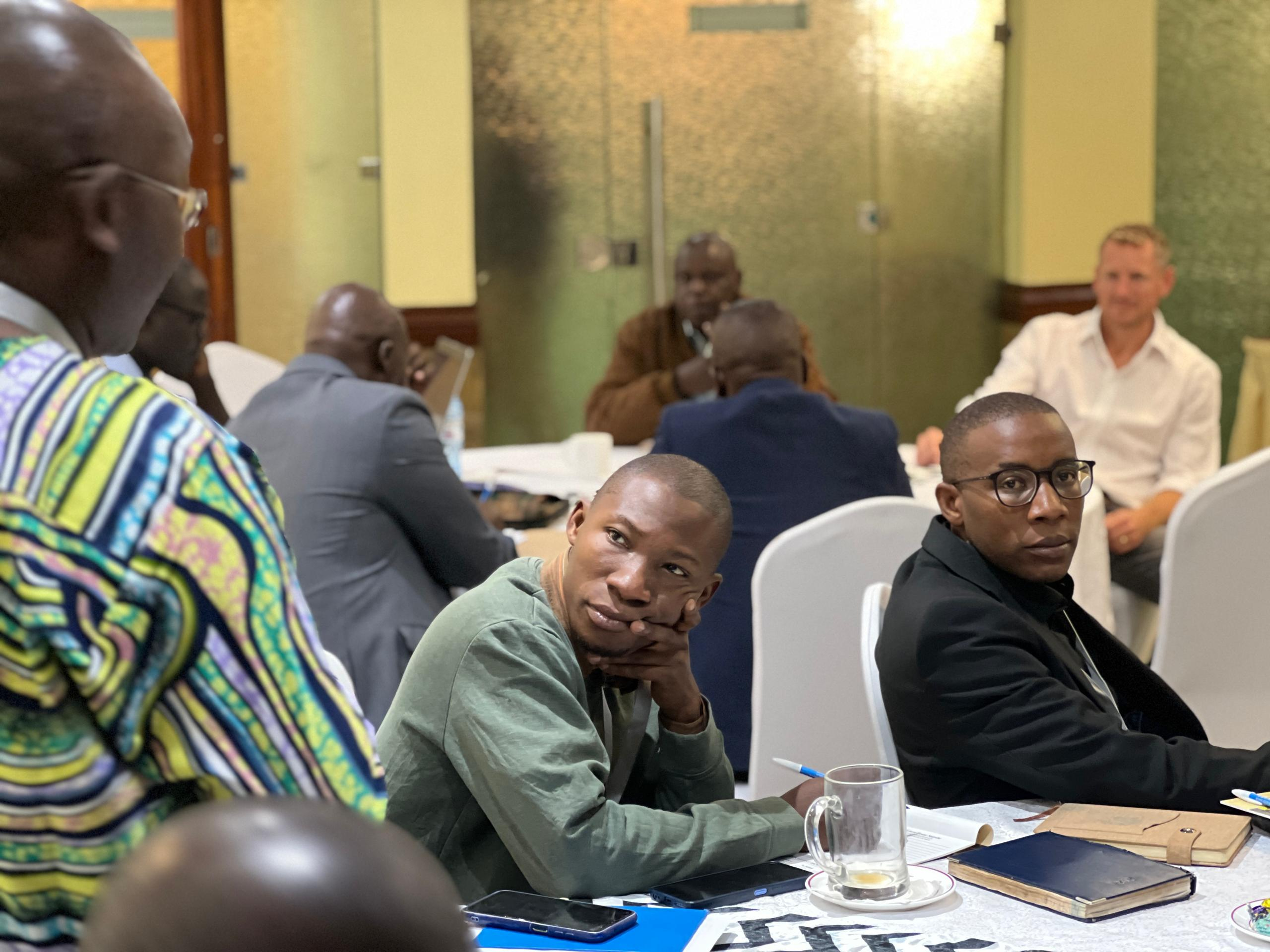
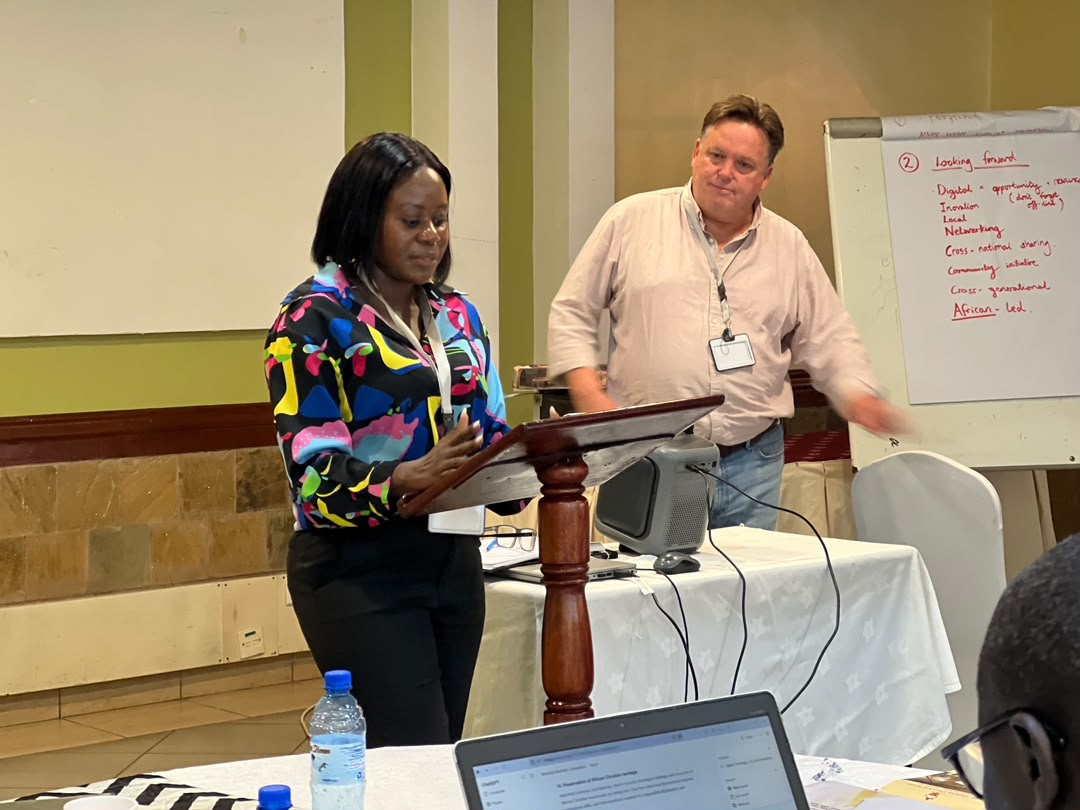
African Training Partners gather in Nairobi to celebrate what God has done and ask where He is leading next.

There was a real sense that something important was happening in Nairobi in September.

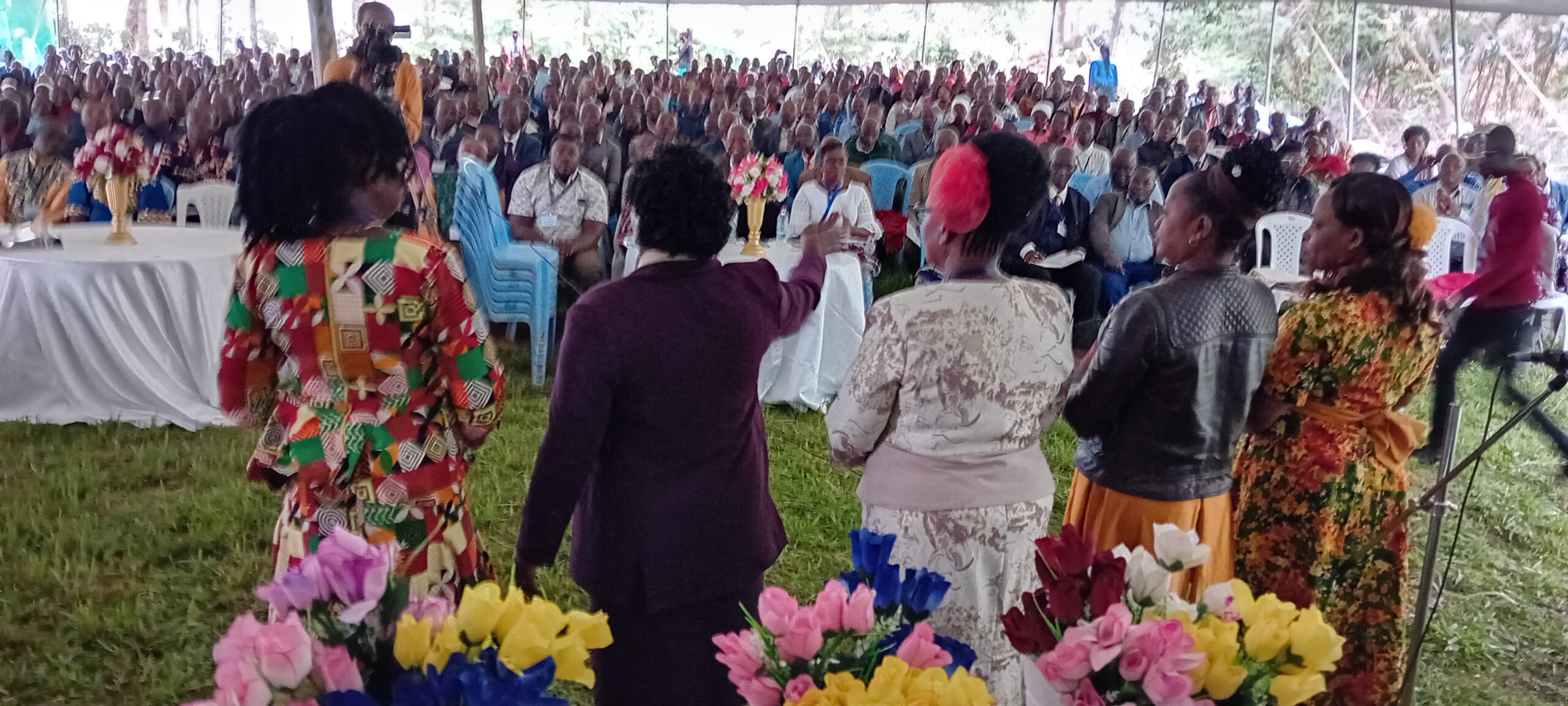
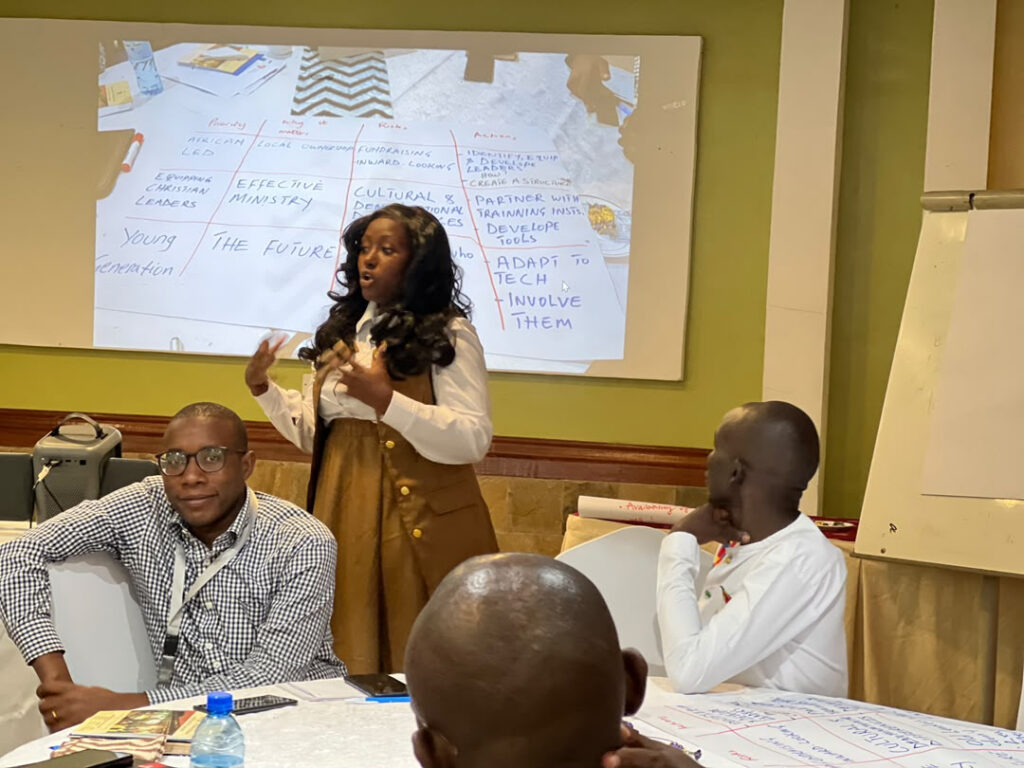
Twenty-five of APF’s most committed training partners gathered at the ACK Guest House. They came from Kenya, Malawi, Rwanda, South Sudan, Tanzania, Uganda and Zambia, bringing different experiences, perspectives and stories, but a shared passion to see the Church in Africa flourish.

It was a time to celebrate. But it was also a time to ask some difficult questions: Where have we seen God at work? What have we learned? What is changing around us? What might God be asking us to do differently?

The phrase that kept coming back throughout the gathering was: “We haven’t come this far to only come this far.”

Remembering how far God has brought us.

The gathering began by looking back. Drawing on the story of Samuel setting up an ‘Ebenezer’ stone after God had delivered His people, we were reminded of the importance of remembering God’s faithfulness to APF, the people He has brought together, the ministries that have grown, the lessons learned and the lives that have been changed. But remembering wasn’t just about looking back and celebrating what has happened.

It was also about asking what the past might teach us about the future. One of the ways we explored this was by telling stories of ministries that had grown, leaders who had been equipped, communities that had changed and unexpected things that God had done.

Some of the conversations began in an unlikely place: the farm. Stories about restoring pasture, planting trees and managing land for people and nature provided a way of thinking about something much bigger. Healthy ecosystems require attention, good stewardship and imagination to grow and flourish. What worked yesterday isn’t necessarily what is needed tomorrow. The same can be true of the Church.

Africa is changing rapidly. Young people are growing up in a digital world. Communities face new challenges and opportunities. Churches are developing new ways of reaching and discipling people. And African Christian leaders are asking increasingly important questions about what theological education, pastoral formation and Christian leadership should look like in their own changing contexts.

The answer cannot simply be to do more of what we have always done. APF needs to listen, learn and adapt.

From supporting Africa to being genuinely African-led.

Perhaps the most important conversation of the week was around ‘Africanisation’. For APF, this isn’t simply about doing more work in Africa. It’s about something deeper: who owns the vision, who provides the leadership and who shapes the future.

Africanisation means a significant shift in how APF works: from being primarily a funder and deliverer to becoming a partner, enabler and equipper. It means listening more, delegating more and creating space for African leaders to take the initiative and take responsibility. These are more than changes in language. They represent a different way of working.

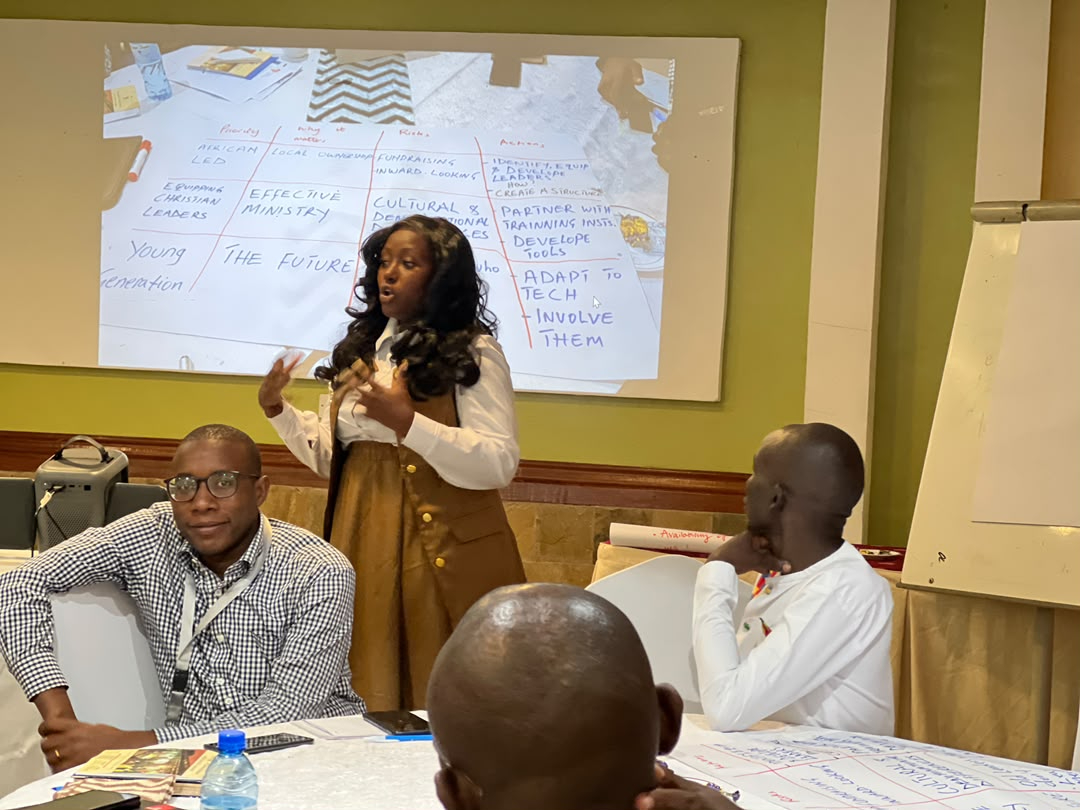
As the conversations developed, some clear priorities began to emerge:

  • We need to invest more deeply in African leadership and ownership, equipping and releasing people in ways that are rooted in African realities.
  • We need to strengthen pastoral formation, developing good theological resources, mentoring and trainers who can equip others.
  • We need to build stronger connections across countries, so that African leaders can share ideas, encourage one another and discover that they are not working alone. A movement rather than a programme.
  • We need to support contextualised Christian ministry – approaches that grow out of African realities rather than simply importing models developed somewhere else.
  • And we need to look seriously at the younger generation, technology and African resourcing. Initiatives such as eVitabu demonstrate how technology can put theological resources into the hands of leaders who may otherwise struggle to access them. At the same time, younger leaders need opportunities to be mentored, trusted and given responsibility.

The strength of APF has always been its relationships; the partners on the ground who are passionate about their churches and communities and who are willing to share what they are learning with others. These partners will be the key to making these priorities happen and the conference reminded us that this network is APF’s greatest resource.

Looking forward with faith and courage.

The gathering ended where it began, with the question of what God has been saying. We have much to celebrate but the challenge now is to take what we have learned during the conference and allow it to shape what comes next.

That will mean doing some things differently. It will mean giving far more responsibility to APF’s African partners. It will mean changing how the organisation is structured and run. It will mean investing in younger leaders, embracing new technology, connecting people across national borders and responding to the rapid changes happening across Africa. And it means continuing to listen, to our partners, to one another and, above all, to God.

We have not come this far to only come this far. The story of the Ebenezer stone reminds us of where God has brought us; the future calls us to trust Him for where He is taking us, and to be willing to go differently in order to get there.

A Miracle in Sengenya

By Tanzania

Following the eVitabu conference in Uganda in September, APF Projects Coordinator Geoff Holder accepted invitations to Masasi and Morogoro Dioceses in Tanzania. In Masasi, Bishop James Almasi received a call from a rural pastor that offers a glimpse into the challenges faced by Anglican bishops in Africa.

St Michael and All Angels’, Sengenya

Bishop James received the call on Sunday evening as he travelled back from meetings in Dodoma. The voice on the phone spoke quickly, trying to explain what had happened before his limited mobile ‘airtime’ ran out.

The Eucharist service had just finished and the congregation of St Michael and All Angels’ Church in Sengenya in rural Masasi Diocese had returned home. Some of the church leadership remained inside to chat and share a meal together.
In this part of Africa, whirlwinds created by hot air spinning upwards in a vortex are not uncommon, especially towards the end of dry season as the temperature rises. This one, however, was extraordinarily powerful and seemed to come out of nowhere.

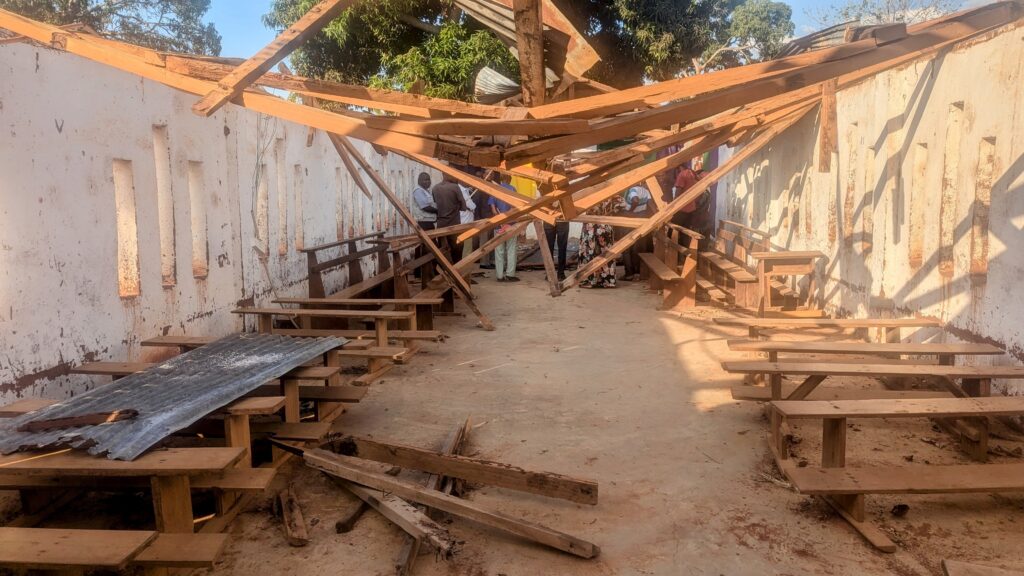
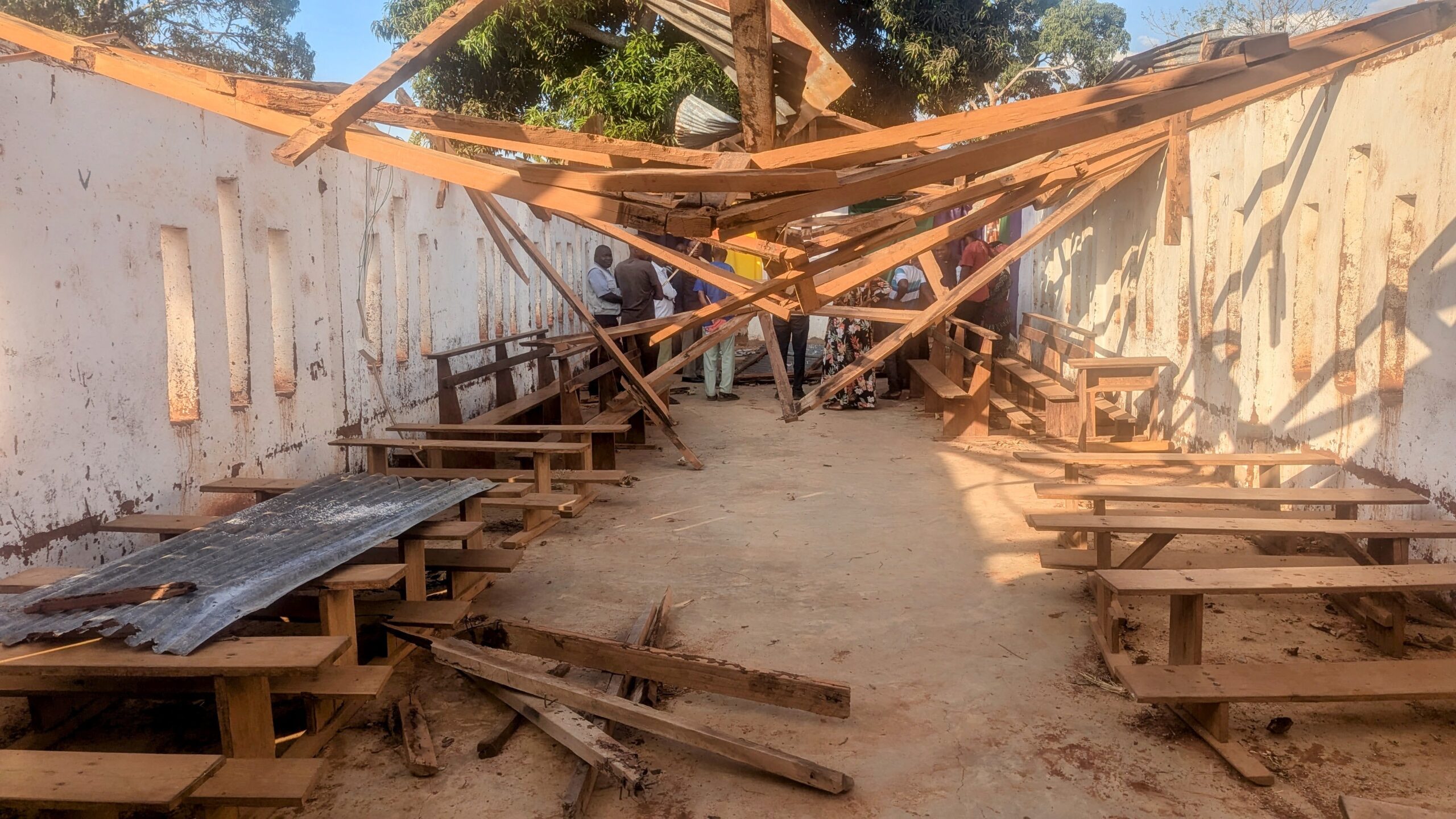
The wind whipped through the narrow church windows, mere slits in the mud-brick walls, and ripped the sheet metal roof away from its wooden rafters.

Rt Revd James Almasi (right).

Everyone threw themselves on the ground as the entire church roof lifted and fell, twisting metal, splintering wood and ripping nails crashing down all around. Their quick action meant most emerged from the chaos with only minor injuries. One person would need hospital treatment.

Bishop James visited Sengenya as soon as possible. ‘It is part of the pastoral ministry of a bishop to offer comfort and pray with those in need’ he explained. Arriving at Sengenya, a small crowd had already gathered. Details of what had happened were shared and prayers were said. The bishop was shown around the ruined church building.

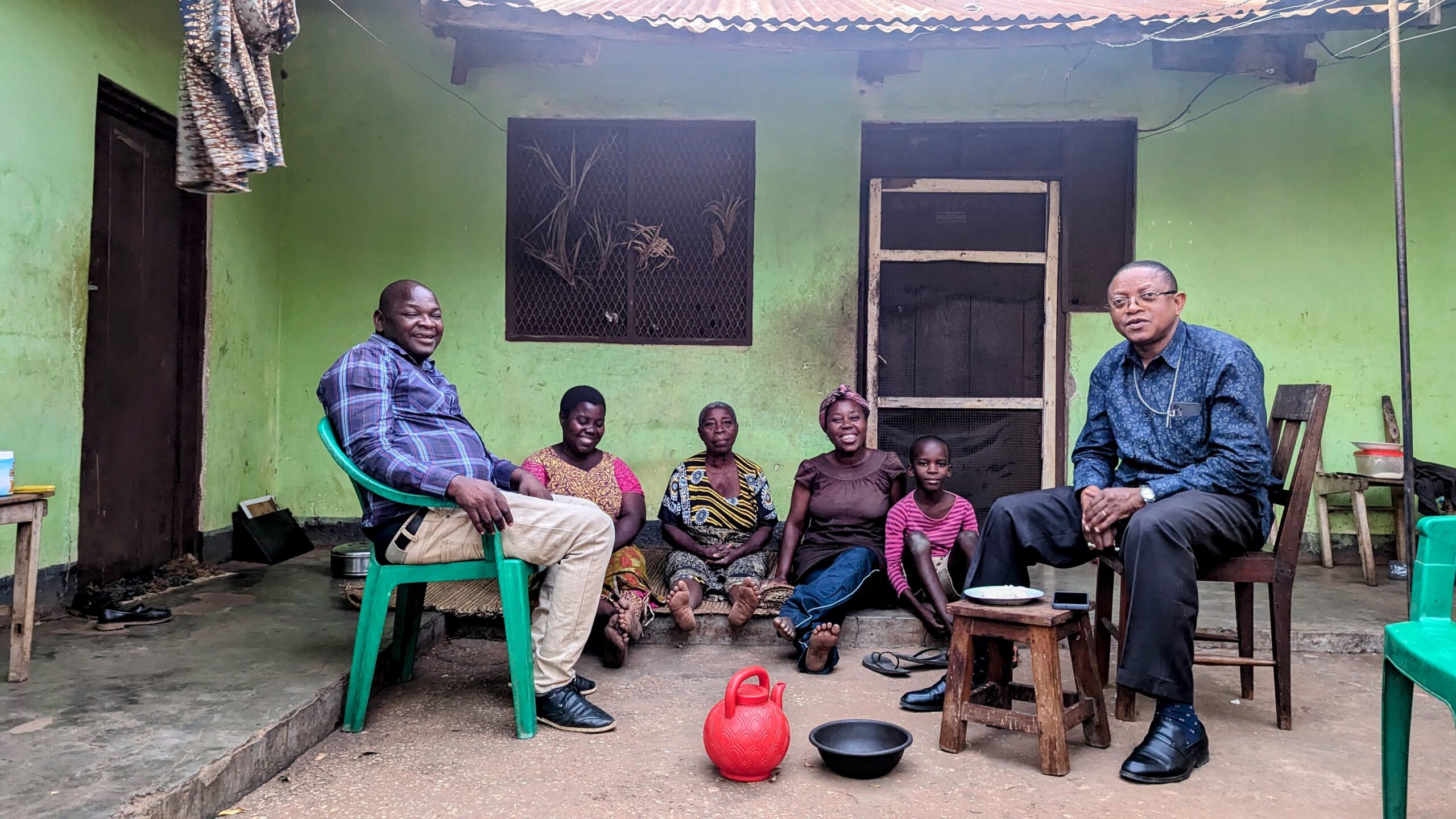
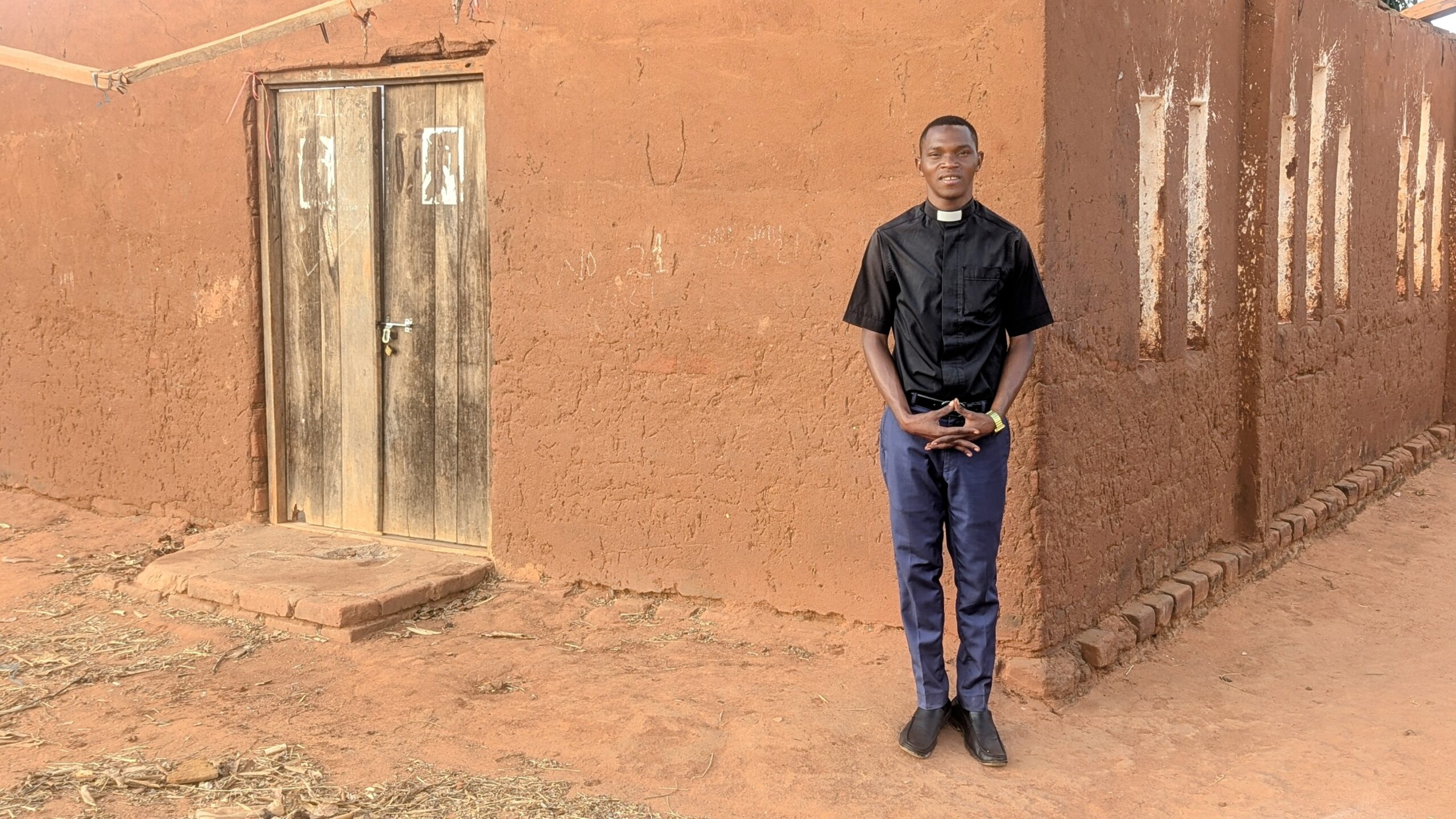
Despite everything, Revd Esau, a young deacon who was in the church eating lunch with the others when the whirlwind hit, is grateful. What if it had happened during the Eucharist rather than after most had gone home? What if the damaged electric wiring for the church lighting had electrified the collapsed metal roof? It was a miracle no one was killed. ‘God is good all the time’, he said.

Revd Esau, a deacon from Sengenya

Bishop James agrees that the old mud church building cannot be repaired. Next to it stands the roofless bare concrete block walls of its half-built replacement. ‘They will need much prayer to find the capacity to finish the new church structure before the rain arrives in November or December’, he said.

There is no doubt that the whirlwind that devastated St Michael and All Angels’ Church in Sengenya is a huge blow to the community. Amidst the wreckage, however, a spirit of resilience and gratitude stands out. They believe that divine intervention prevented any fatalities and give thanks.

As the community now faces the daunting task of completing the replacement place of worship before the rains, they do so with a renewed sense of purpose and a belief that, with God’s help, they will emerge from this with more faith, hope and love than before.

Around Africa

By Liberia, Rwanda, South Sudan, Tanzania, Uganda, Zambia

News from Liberia, South Sudan, Rwanda, Zambia, Uganda and Tanzania.

Liberia

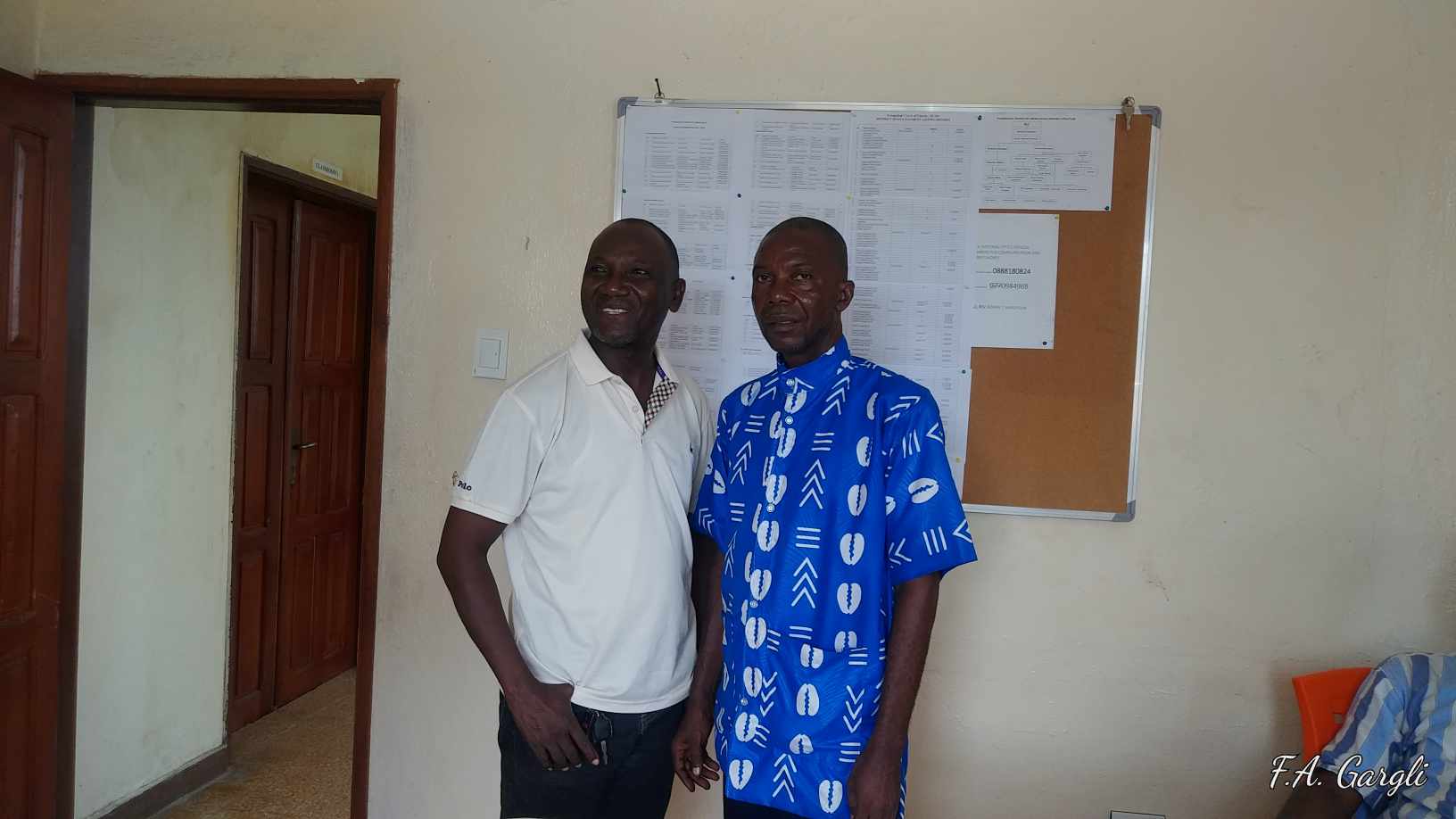
Revd Aberdeen Gargli (on left in photo above), Principal of the Evangelical Theological College of Liberia and Revd Clinton Gbawah, Legal Representative of the Evangelical Church Network of Liberia, met to talk about eVitabu at the college in Monrovia. The two men have been connected through their shared links with APF and eVitabu.

South Sudan

APF partner in South Sudan, Saints Revival Committee, distributed Bibles to pastors from over twenty denominations in rural Aweil South County with support from an APF local language Bible grant.

Tanzania

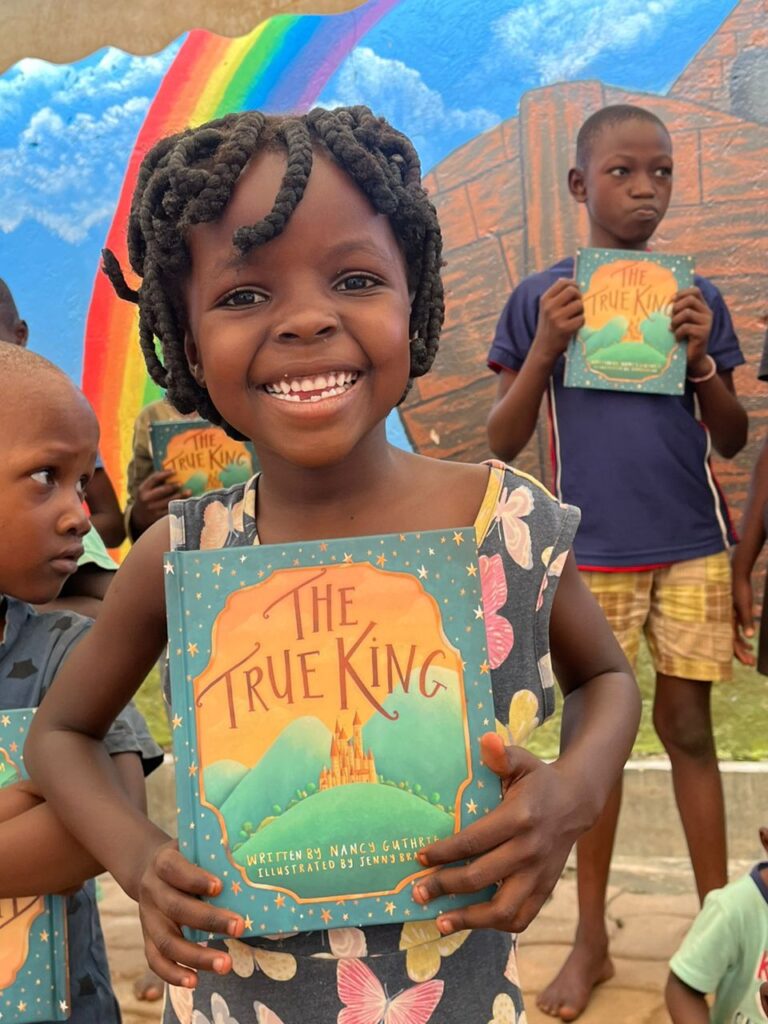
10Giving contacted APF recently wondering if we could help them distribute spare copies of the brilliant children’s book The True King by Nancy Guthrie and Jenny Brake. APF partners Love and Care for the Child Ministries, Faith Babies Home and Walubu Jude were able to distribute hundreds of copies to children in central Uganda. The book, written for children aged 3 to 7, is beautifully illustrated and introduces children to the big story of the Bible — the story of the True King who rules over his people in perfect goodness and a kingdom that will last forever.

Zambia

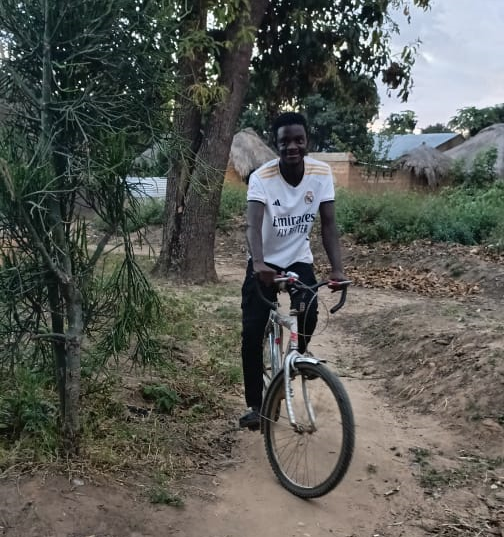
Bike grants were received by eight pastors in Zambia. Also, Lawson Limao from Word of God ministries received a grant to install solar lighting in the homes of pastors without access to electricity.

Uganda

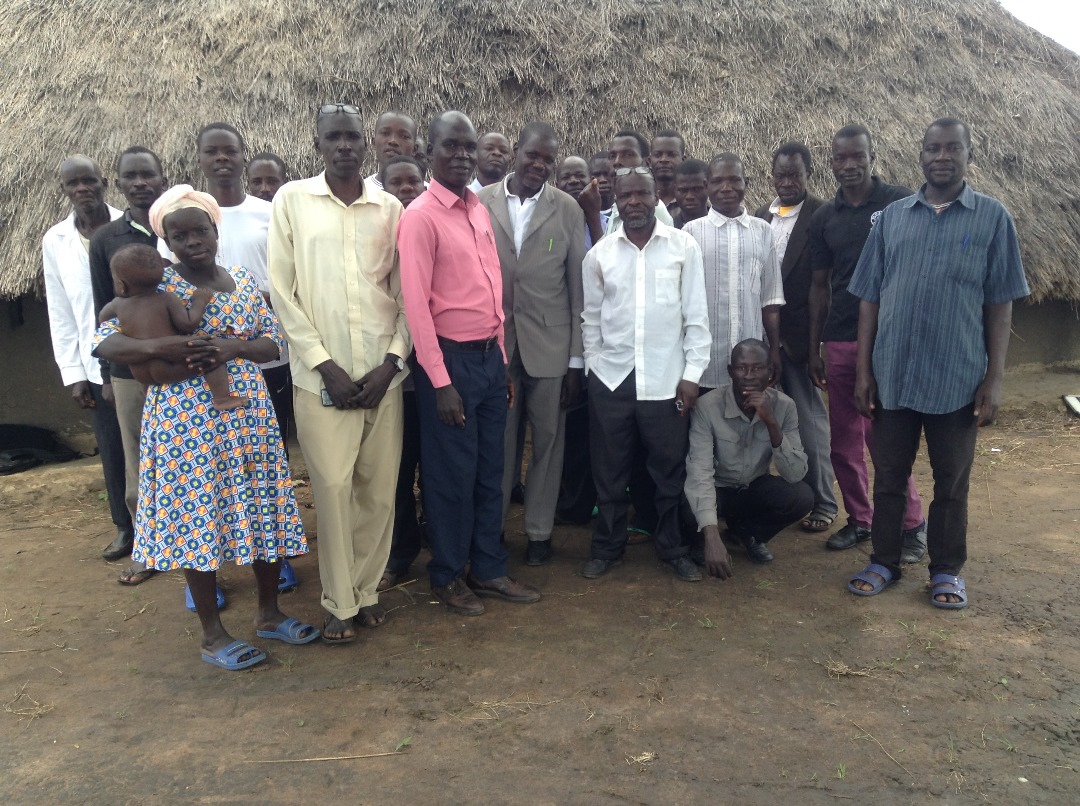
Revd Esomu Francis (in pink shirt)is pictured here with local pastors from Karamoja Region in northern Uganda. Francis is the founder and principal of Atirir Bible School in Teso Region. APF supports ABS trains pastors and church leaders in theology to certificate level, and also helps Francis travel to remote regions to run workshops with untrained rural leaders. Francis told us:

“These native pastors are an active and vibrant part of the ministry in Abim and Otuke Districts of Karamoja. They are pastoring rural churches, doing extensive evangelism outreach into unreached areas and planting churches to expand the Kingdom of God. Since these church leaders make their living through farming, many struggle to meet the financial needs of their families, theological education for themselves and fees for their children. Ministry travel expenses and food are also challenging factors.”

Kenya

While Dave was in Kenya in April, he was invited to talk about eVitabu and Digital Theology at the Baptist Convention of Kenya’s general assembly. This is the denomination’s largest annual gathering where around 2,000 Baptist Christians come together.

Around Africa

By Malawi, Rwanda, South Sudan, Tanzania, Zambia

News from Malawi, South Sudan, Rwanda, Zambia and Tanzania.

Malawi

Central Bible School in Malawi was spotlighted here. The college’s library facilities are in need of improvement so a digital tools and training grant has been approved. This grant will equip each of the eight faculty members with a suitable smartphone, allowing them to install and utilise eVitabu as a valuable addition to the college’s physical library. To help the effective use of the platform, Dave or Geoff will be conducting online training for the faculty later this year.

Zambia

Pastor Lawson Limau is spearheading the development of an introductory course in theology and pastoral care, drawing from resources adapted from the eVitabu library. Recognising the potential impact of this initiative, APF has awarded Lawson an Africa Training Partner annual grant. This grant will enable him to deliver the pilot course to rural pastors throughout eastern Zambia during 2024.

Tanzania

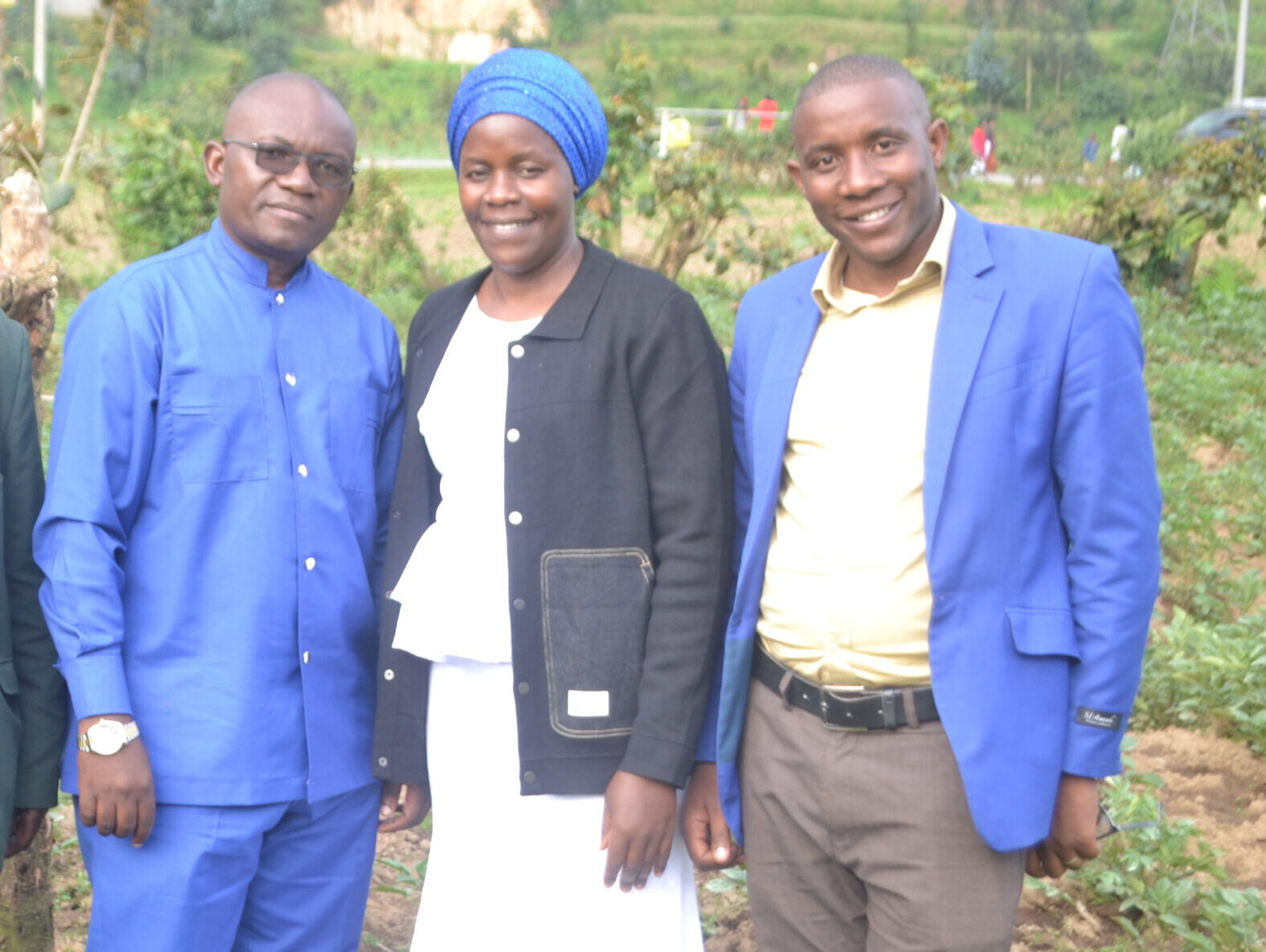
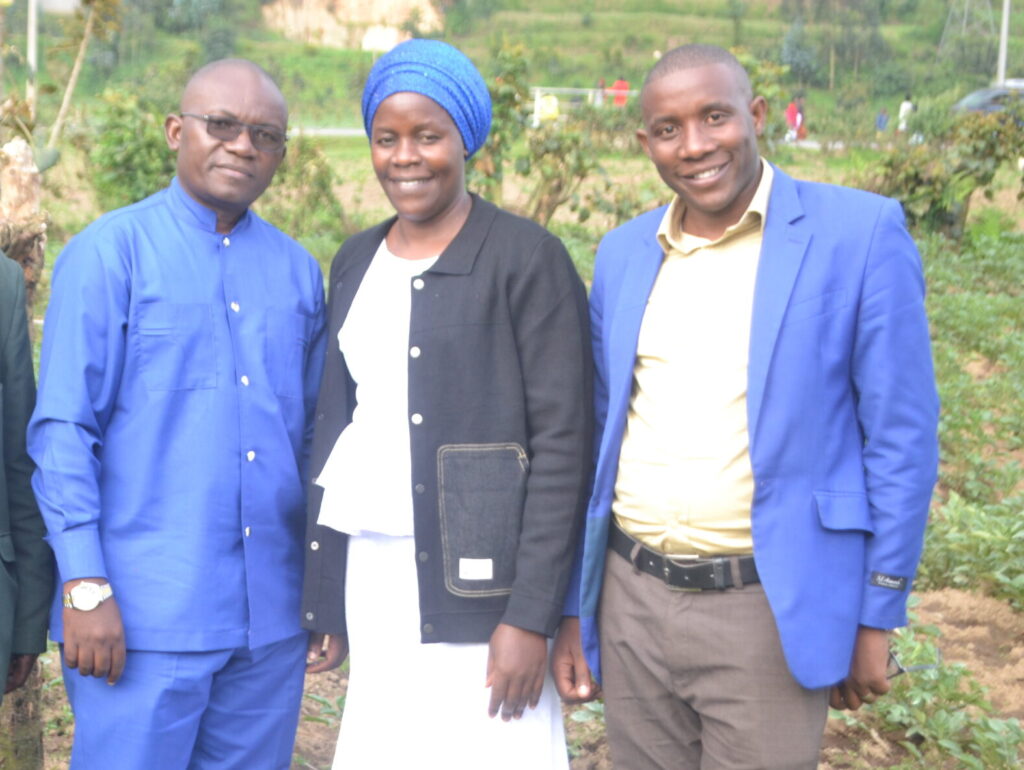
Due to the ongoing demand for their teaching ministry, Heavenlight and Kesiah Luoga (pictured above with Victor Imanaturikumwe) have been awarded an African Partner Training grant for 2024. This grant will help them to conduct training workshops throughout the year, both locally and regionally. Recognising Heavenlight’s desire to expand his reach, APF has also approved funding for video recording equipment so Heavenlight can record training videos for social media and eVitabu. This includes a high-quality camera phone, basic lighting equipment, and a tripod.

Rwanda

The Let There Be Light solar project continues to shine brightly in Kigeme Diocese, Rwanda. By providing reliable light to clergy families and parishes, the project offers numerous benefits: brighter living spaces, opportunities for studying after dark, enhanced security, and even income generation opportunities. We recently sent additional funding to ensure the project’s sustainability by replacing batteries for some of the beneficiaries.

Our prayers continue for Rev. Victor Imanaturikumwe, the Legal Representative of Église Évangélique de la Bonne Volonté au Rwanda and a passionate advocate for eVitabu. Victor has a plan for competency-based training that complies with Rwandan government regulations for faith-based leaders. He is seeking funding to deliver this training programme and he is also assisting APF in finding a venue for a conference in September.

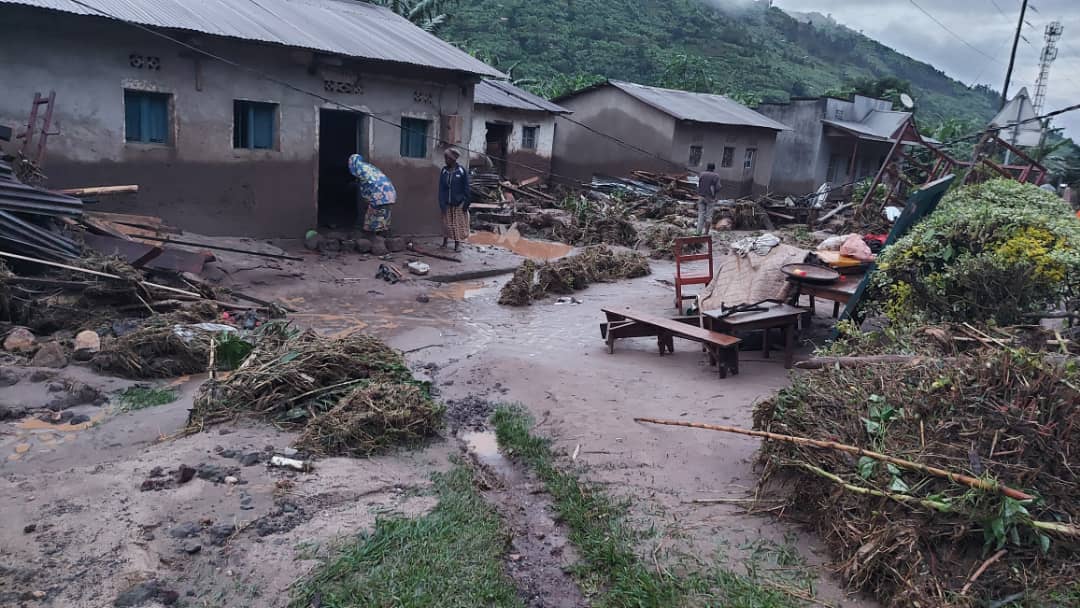
We also pray for Victor’s predecessor, Pastor Japhet Matugoma, who faces an urgent need to relocate his family home due to recent flooding and landslides (pictured above).

South Sudan

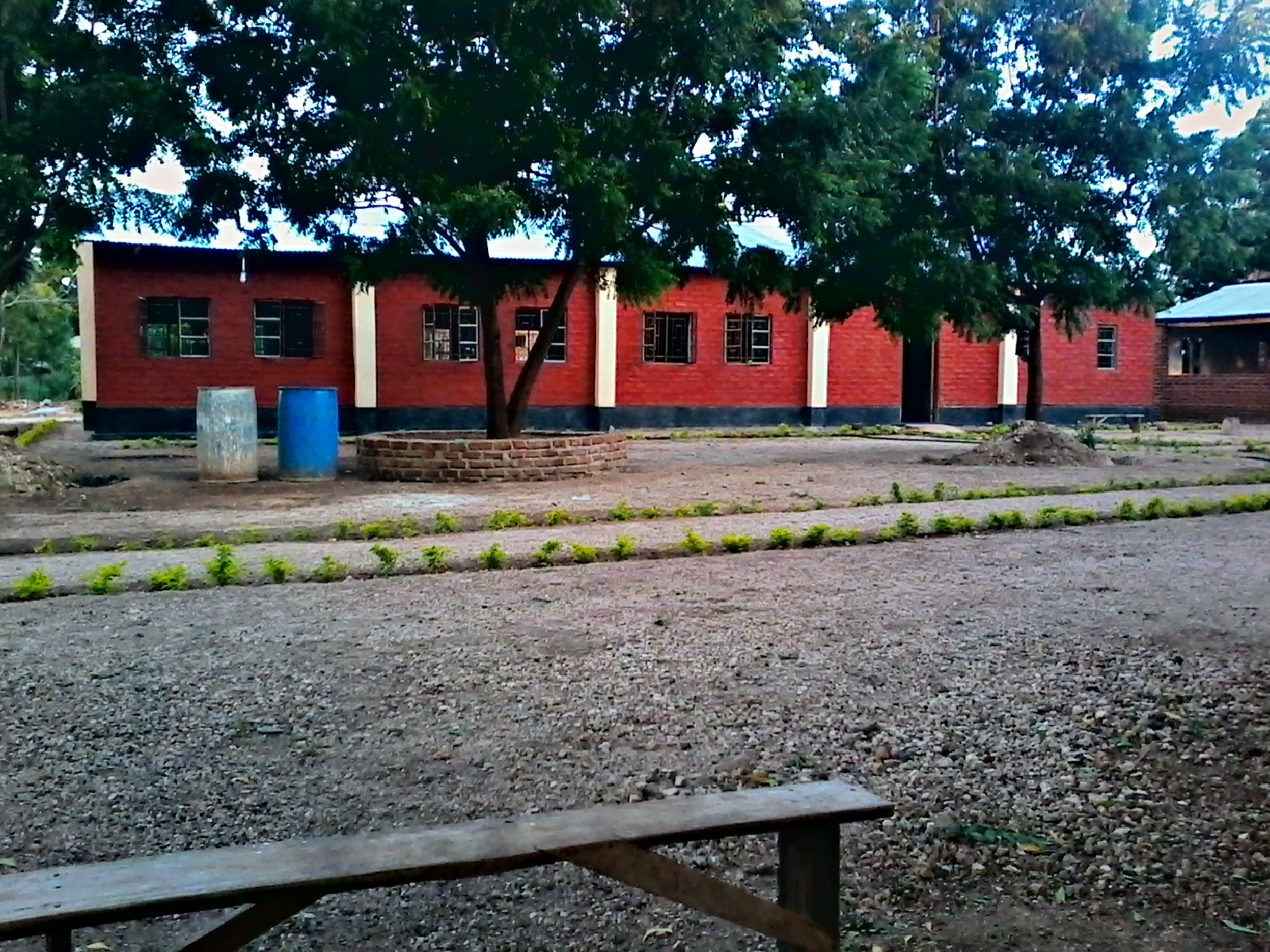
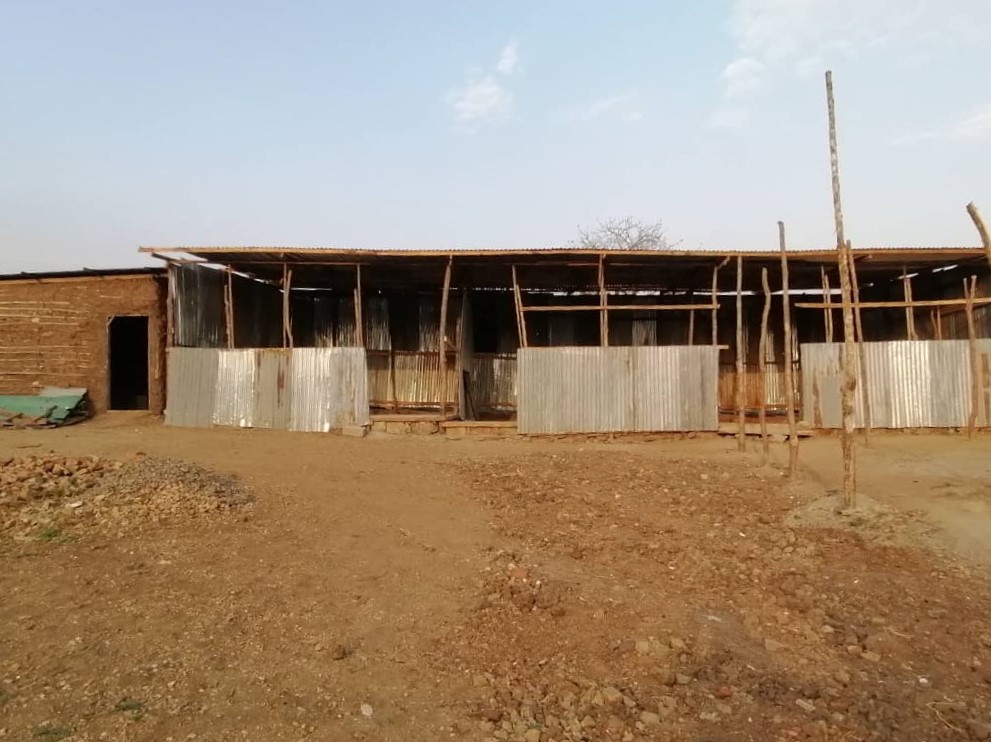
In recent weeks, APF approved a grant for the Saints Revival Committee in Aweil district to procure and distribute 600 local language Bibles. Also, Alex Sokiri of New Nation Church in Juba writes seeking support for the church school (pictured above). Founded for orphaned and underprivileged children living near the church, the school currently serves children in three classrooms. However, the classroom block front façade remains incomplete. With rainy season approaching, Alex is urgently seeking assistance to complete the front part of the school building to ensure the safety and well-being of the students.

Team ministry in Africa’s Great Lakes Region

By Burundi, eVitabu, Rwanda, Tanzania, Training

Victor Imanaturikumwe and Heavenlight Luoga met at an APF event four years ago and have stayed in contact ever since. Recently, with APF’s support, they met up once again to run training workshops for rural pastors in western Rwanda. Victor explains what happened.

Many local churches in rural Rwanda are fragile as pastors have few opportunities for training. This makes tackling the spiritual needs of the community a constant struggle. As I am a beneficiary of APF theological scholarship support, I am now committed to spending my time contributing to effective ministry here in Rwanda by running pastors’ conferences and trainings in rural contexts.

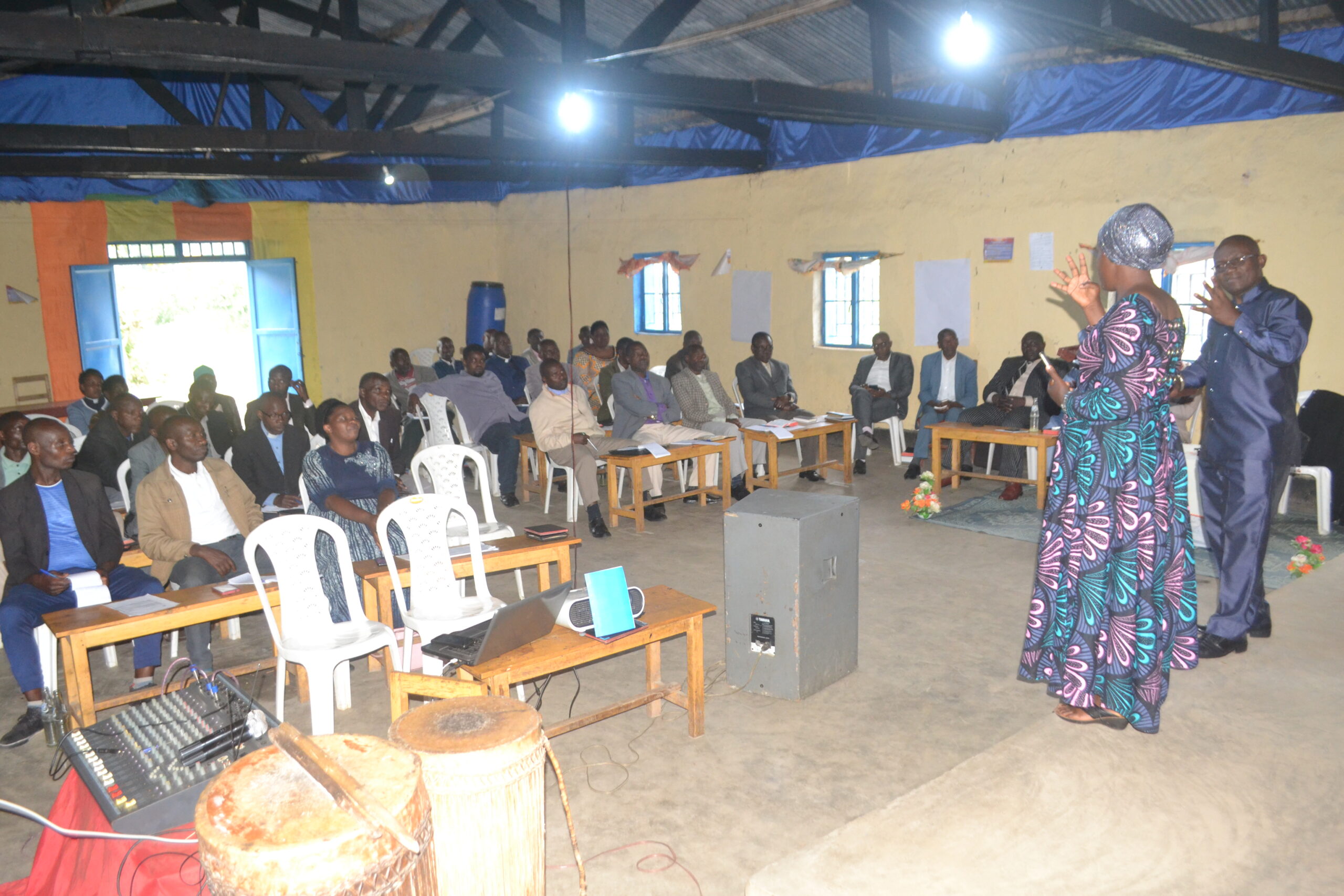
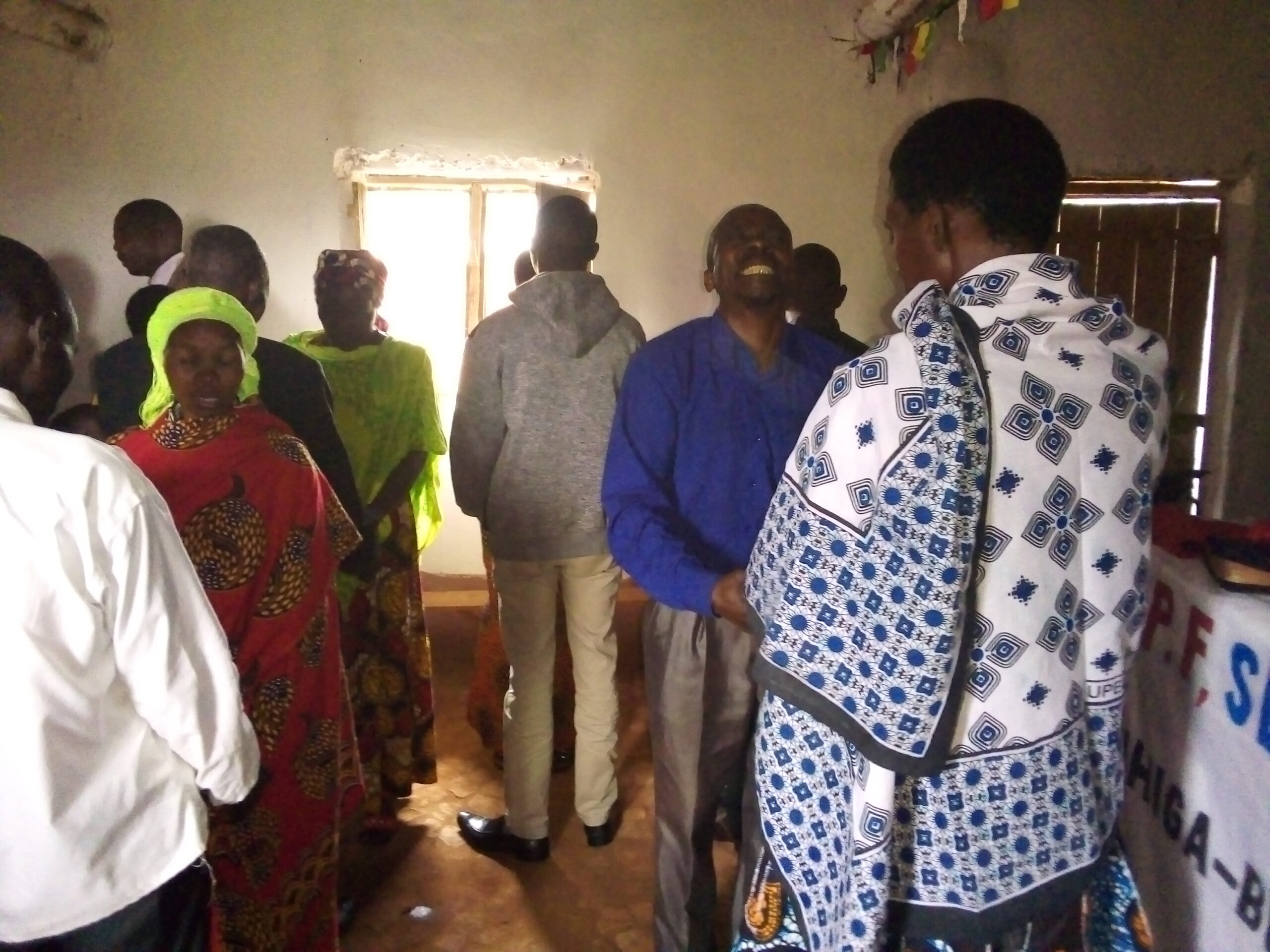
Recently, Pastor Heavenlight and Kesia Luoga from Deeper Life Church in Karagwe, Tanzania, travelled to join me in Rwanda and together we led a training conference for rural church leaders. Some of the leaders had received almost no in-service training so this is vitally important work.

I found APF’s eVitabu app a very helpful tool when I was studying for my theological degree. As textbooks are so hard to find in Rwanda, all the materials used during the conference came from eVitabu. Pastor Luoga and I selected and adapted resources on eVitabu and developed a conference programme to equip the pastors with skills in teaching and preaching the Word of God and in leadership.

We also trained the pastors on how to set up small income projects and adapt their farming practices to meet the challenges of a changing climate and poor soil. The overall theme of the conference was ‘Being a Good Shepherd’ and the leading Bible passage was John 10:1-21.

The conference hosted forty pastors and church leaders from different churches and communities in western Rwanda. We are already registering a lot of impact in their communities and churches and we want to continue to invest in them so they become agents of spiritual and community transformation.

I first met Pastor Luoga in Uganda at an APF regional leaders’ conference in 2018. Since then, he has become like a spiritual director to me. He is a very experienced pastor, ministry trainer, teacher, preacher and mentor. I believe APF is helping to break barriers by encouraging fellowship with other pastors from different backgrounds and cultures. We all benefit from one another’s insights and expertise when we work together in partnership.

I would like to thank all APF donors, friends and supporters who give generously of your money and your time in prayer to support APF and its partners in Africa. Know that your gifts are being used well and are making a big difference here in rural Rwanda and across Africa.

After training in western Rwanda, Heavenlight travelled south into Burundi to work with groups of untrained pastors serving in churches near Gitega. Gitega is the new capital of Burundi and it is the newest capital city in the world, replacing Bujumbura in 2019.

Training in Burundi

By Burundi, Tanzania, Training

Heavenlight Luoga is a key APF training partner from north-west Tanzania. Alongside Kesia, his wife, they use eVitabu to run workshops for untrained pastors from rural communities such as the recent programme they provided in Burundi.

The training was an amazing time. My wife, Kesia, and I based our training on resources from APF’s eVitabu app. eVitabu was a great help in preparing the programme for the pastors and wives. The key resources we chose on eVitabu were from Next Leadership and written by Revd Dr Kate Coleman.

Revd Kate’s material covered many important aspects of family life and marriage. We explored together how marriage was designed to reflect the God who created us in His image, both male and female, and who is recreating us to be like Him in loving relationships, deeply connected with each other and in partnership through agreement and cooperation in a way that honours the marital bond.

We looked at how unresolved issues can wreck marriages and destroy families and discussed problem solving and conflict resolution in marriage.

We also talked about repentance and forgiveness within family and married life. At the end of the training, there was an opportunity for husbands and wives to renew their marriage covenants together.

So many pastors told me that this teaching was completely new to them. Wives were praising God and even during breaktimes they gathered into groups to continue to discuss the teaching. Pastors were so happy to sit down side-by-side with their wives. This is not a normal thing!

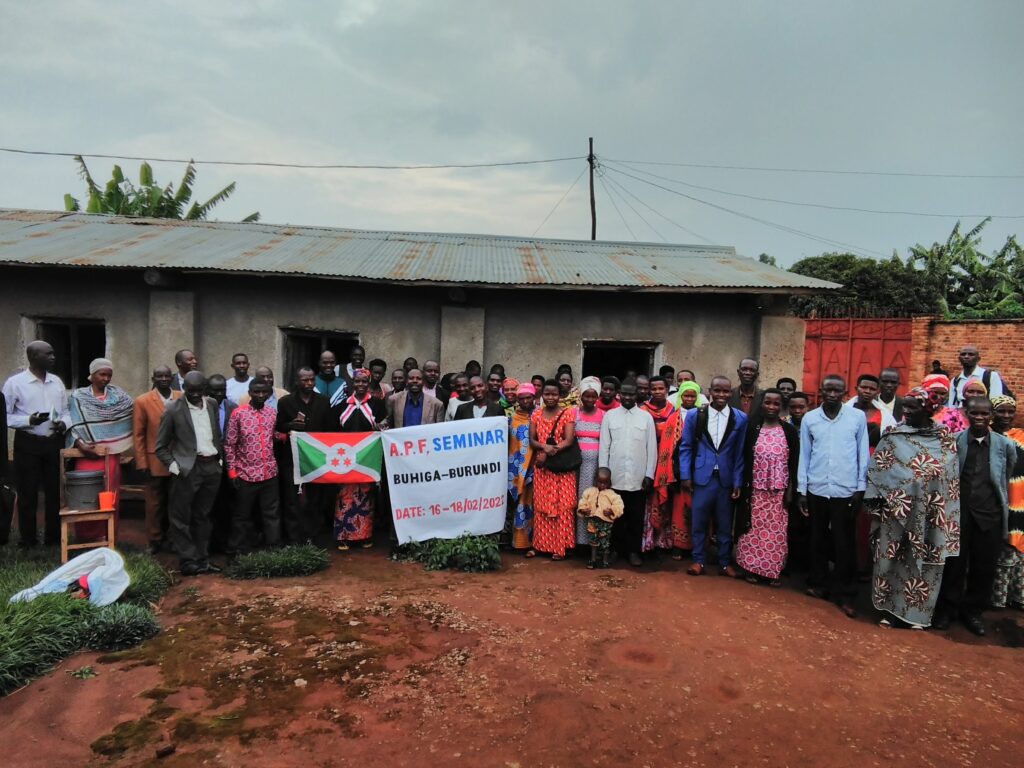
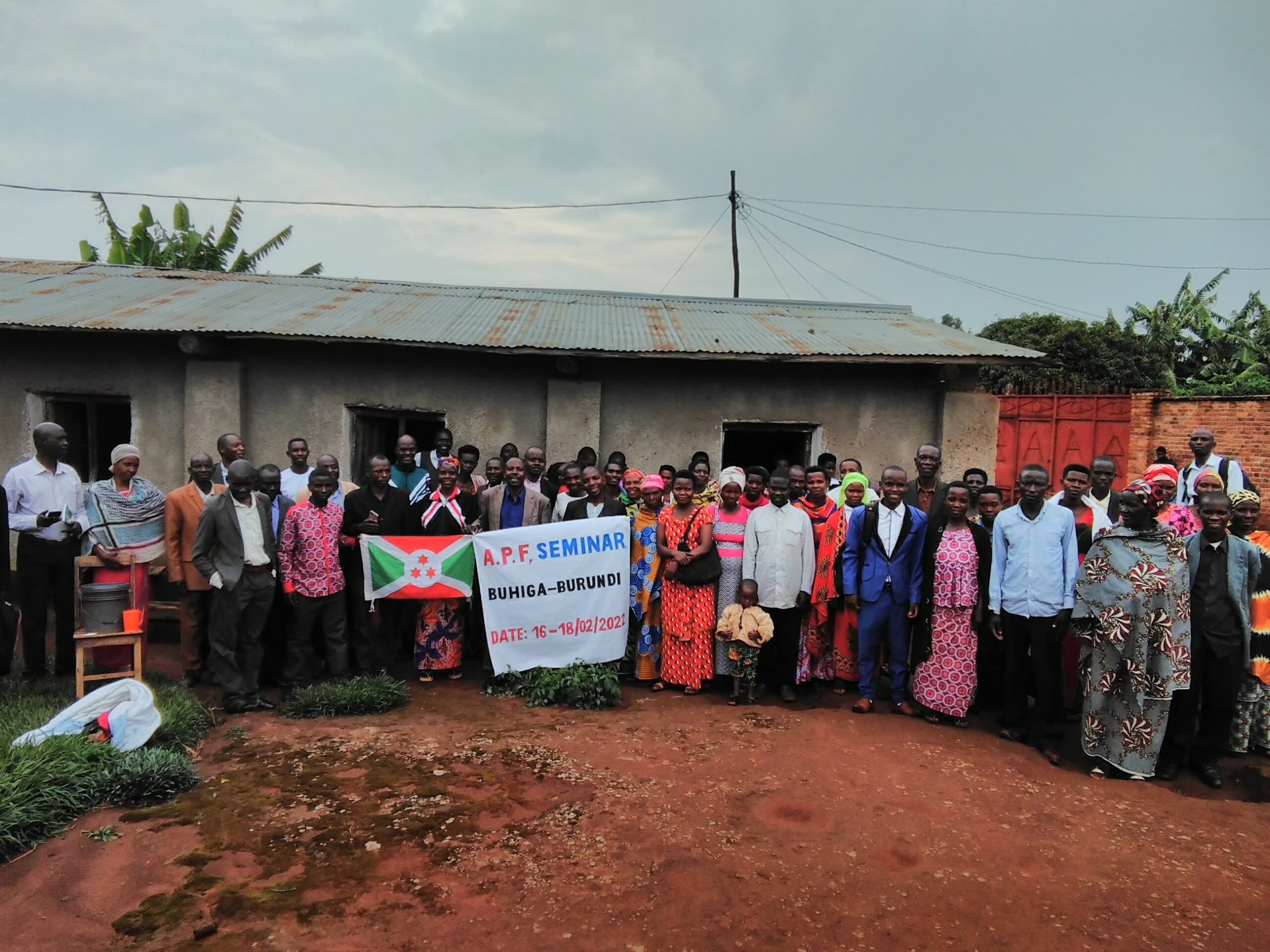
Altogether, over 60 attended the training. We had hoped for 50. But success is not just about numbers, it was found in seeing husbands and wives together, repairing and building their relationships and hearing their testimonies after the training.

One of the pastors at the training was a Church of Burundi pastor called Revd Maendeleo. He enjoyed the training so much that he made a call to Bishop Evariste Nijimbere from the local Buhiga Diocese. I then received a voicemail from the Bishop asking me to come and join him in June to lead some seminars for the Diocese.

In more good news, a wider door has been opened for the next year. All pastors in the training programme agreed to sponsor themselves for three days of training next year if I can cover the transport cost for Kesia and myself. Kesia will facilitate the pastor’s wives training and I will facilitate the pastors training, then in the evening all of us will come together. We are told to expect 100 or even 150 for that training. I am not the one who asked to do this but the idea came from within the group themselves. Of course, for me this is a great fruit.

The journey from Karagwe in Tanzania to Buhiga in Burundi and back is long. We travelled by bus, taxi and motorbike and had to negotiate the Covid-19 testing challenges at the border between the countries. I was tired and suffered from fatigue at the end of training and after the journey but I had no regrets at all.

I look back to what God has done for me and for all participants and, for the sake of God’s Kingdom, I am full of joy in my heart.

The View from Tanzania

By Covid-19, Tanzania

Unlike most African countries, the Tanzanian government did not announce a strict lockdown. Churches, mosques, and other religious buildings have remained open for worshippers, although schools, sports and other gatherings deemed unnecessary were closed until June. From Karagwe, a remote rural town in Kagera Region in the far north-west corner of Tanzania, Pastor Heavenlight Luoga shares his reflections on what God has been reminding him of during the crisis.

“This pandemic teaches us how God is in control of this wonderful and fragile world. During the crisis, there are both dangers and opportunities. Dangers because thousands and thousands of people have been infected and died. Also, there is the related economic crisis with people losing their jobs.

“Opportunities have come because many people are turning to God. We have seen, all over the East African countries, people crying and praying to God because of Covid-19. It is striking the world and all of us realise we are most certainly not in control, ‘we’ meaning humanity as a whole. The fragility of life is emphasised, the limitations of knowledge become plain and human capacity is challenged.
People here in Karagwe were in fear concerning the limitations of local health infrastructure. Our highly social lifestyle and overcrowded homes all created a huge fear of the virus. Many expected to see uncountable dead bodies on the streets. Thank God this has not yet come about in Tanzania. Our government recently announced that the situation here is not too bad. The number of people affected in hospitals is coming down. Our government prepared 1,000 beds at Saba Saba Exhibition Ground, but today all of them have been removed.

“We see wealthy countries investing millions of dollars for security purposes, on health insurance and social safety nets, but still many people in those countries are dying from coronavirus.

“It is a reminder to us that God is in control of the world and he can do whatever he wants to do, without any resistance. In response, we start looking up. As Deuteronomy 32:39 says:

‘Look now; I myself am he!
There is no other god but me!
I am the one who kills and gives life;
I am the one who wounds and heals;
no one can be rescued from my powerful hand!'”

Swahili commentary sets back in print!

By Tanzania

The Akan people of Ghana have a saying: “Se wo were fi na wosankofa a yenkyi.” Roughly translated it means, “It is not taboo to go back and fetch what you forgot.” From the proverb comes the word ‘Sankofa’, which means, “Go back and get it.” The symbol of Sankofa is a bird moving forward but with its head turned backwards, in effect going forward while remaining conscious of the past and the wisdom contained there.

At APF, we have had a sense of the importance of moving forward but looking back for some time. Our friend and partner Rev Dr Kate Coleman put it to us like this: “When you get on the train, choose the seat facing backwards.” Move forward but remain conscious of where you’ve come from.

So, while eVitabu, Jubilee Trees, Growing Greener, solar energy projects, locally-led pastor training in-service workshops and many other new and exciting initiatives absorb much of our time, we’ve also been keen not to forget good things from APF’s past. To go back and fetch what we forgot.

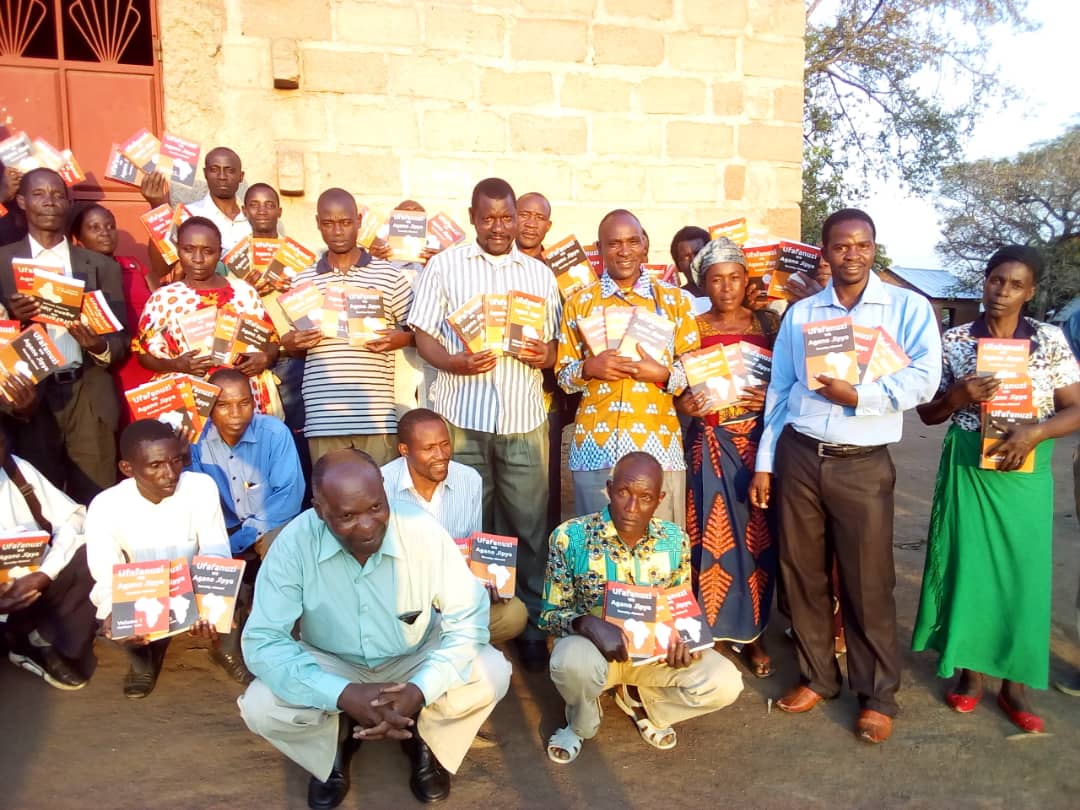
For example, our Tanzanian friends and partners have been asking for a reprint of our New Testament Bible Commentary sets ‘Ufafanuzi Wa Agano Jipya’ for some time. Written in the 1990s by Sister Dorothy Almond, a Church Army Tanzania missionary from Yorkshire, Ufafanuzi Wa Agano Jipya remains to our knowledge the only complete New Testament Bible commentary written in Swahili, not a translation into Swahili. With its clear language and simple explanations, demand remains high amongst poorly trained rural pastors who rarely have access to any other books beside a Bible.

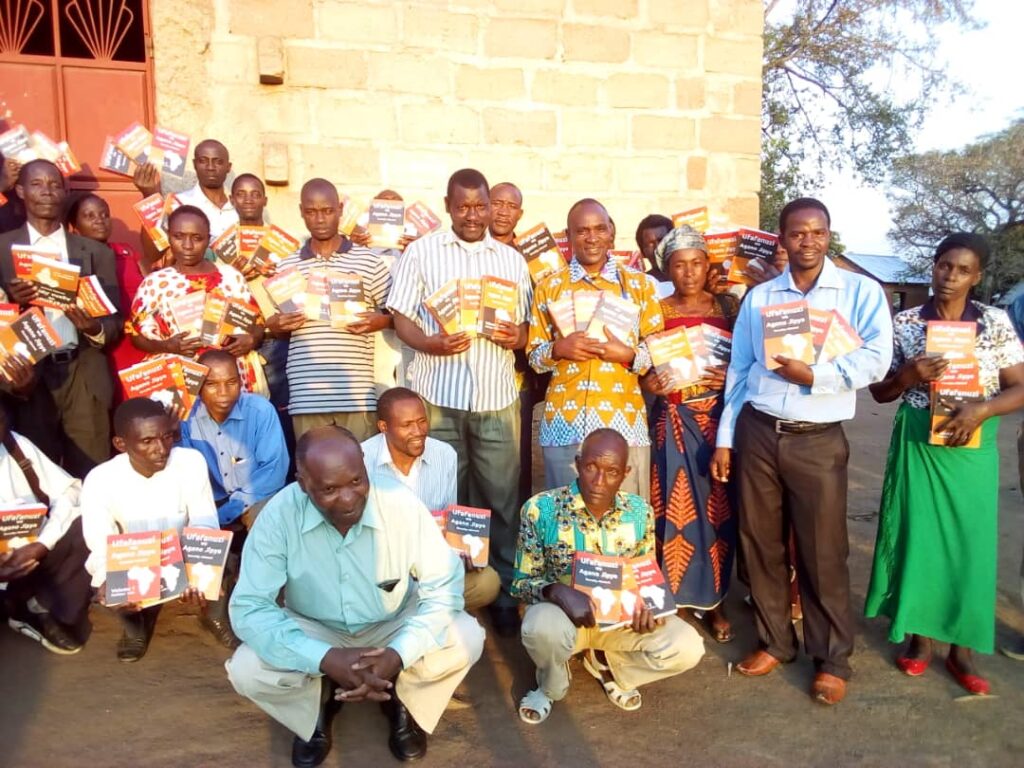
It has taken us a while to get it right but at last, three thousand copies recently landed at the port in Dar es Salaam, Tanzania from printers in India. APF partners in Tanzania including Heavenlight Luoga (Karagwe), Amos Nkini (Arusha), Timothy Saulo (Mwanza) and Emanuel Mhina (Morogoro) have been busy distributing hundreds of copies to rural church leaders across their regions.

Another 500 sets are available from the shelves of SomaBiblia Christian bookshops across Tanzania where they are selling at heavily subsidised prices to ensure they remain affordable to pastors.

We are deeply indebted to our generous donors in the UK and our committed partners in Tanzania whose support have made the reprint of Ufafanuzi Wa Agano Jipya possible.   Asante Sana!

Please pray

For Heavenlight, Amos, Timothy and Heavenlight as they distribute commentary sets at training workshops and through local bookstores.

That the faith of rural pastors using Ufafanuzi wa Agano Jipya would be enriched and their ministries strengthened.

For other APF literature projects such as the distribution of local language Bibles funded by OM Special Projects.

For growing links with African theological seminaries, especially connections with the Network of African Congregational Theology (NetACT).