All Posts By

Geoff Holder

April 2026: Highlights and updates

By Impetus, Malawi, South Sudan, Uganda, UK

Read about some of the key highlights from recent months, offering a glimpse of how APF partners are training leaders, strengthening communities, and helping the church in Africa to flourish.

Grant to Rural Diocese

APF provided a grant to the ACK Kapenguria Area Bishopric in Kenya to support their relief and mission programme in remote Konyao. The funds covered costs for missioners serving rural communities and builds on recent joint mission work with the Karamoja Diocese amongst the Lorow–Alale region. Dave met with Kapenguria’s Bishop, Samson Tuliapus, while visiting Kenya during March.
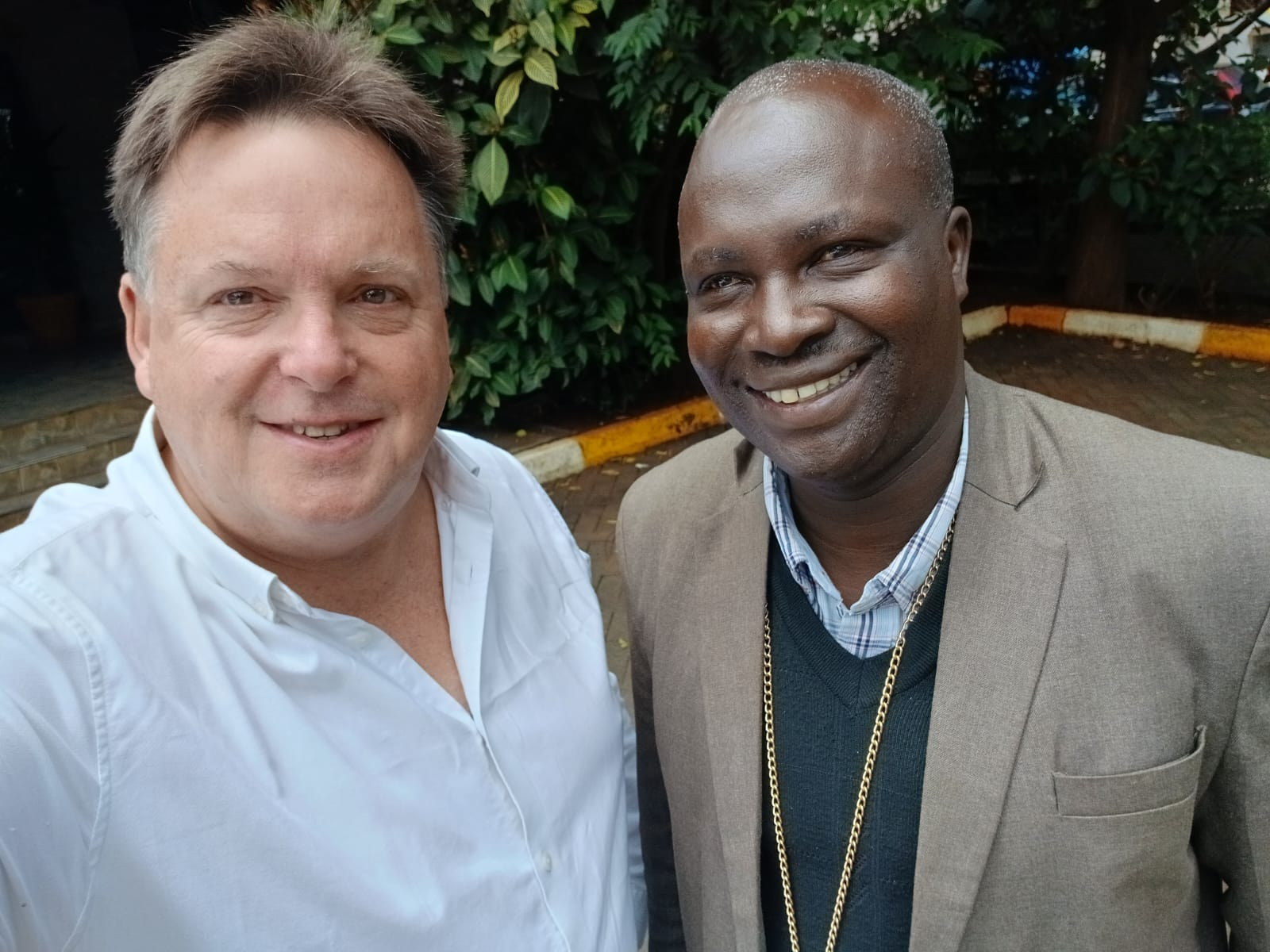
Dave met with Kapenguria’s Bishop, Samson Tuliapus, while visiting Kenya during March

eVitabu Development

Jonathan Haddock, APF’s eVitabu app developer, is undertaking a major rebuild of our African church leader online library and resource hub. When finished, the new version will run on Apple iOS and Windows devices as well as on Android. In April, Jonathan will dedicate a full week to working on the rebuild – the biggest update since the app’s launch in 2018.
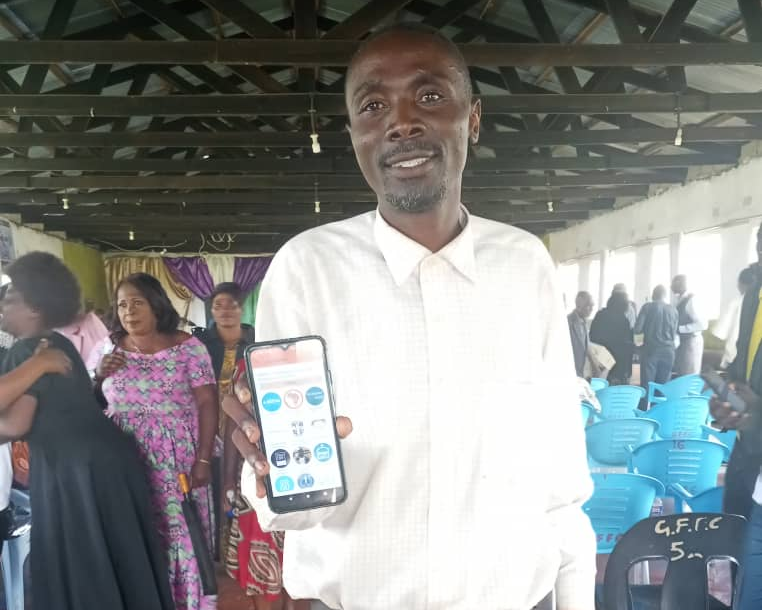
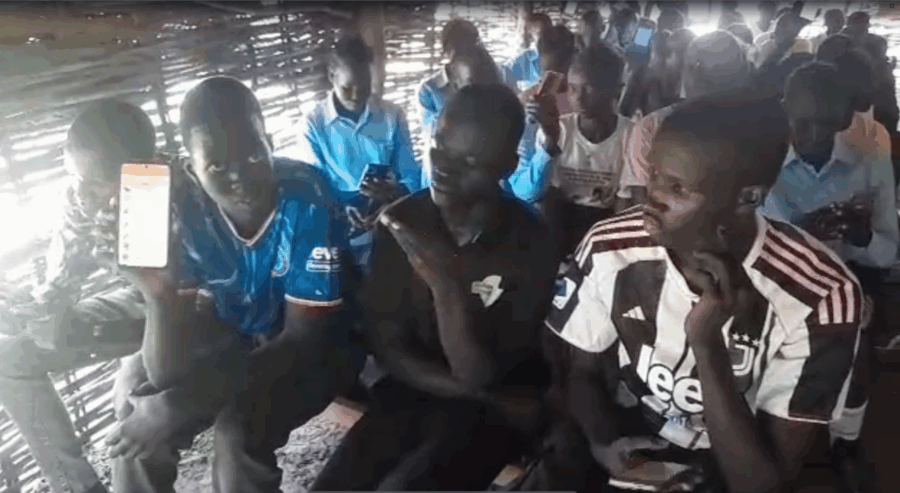
A new eVitabu user from South Sudan

Growing Greener Monitoring

In Malawi, the team from New Life Christian Church in Blantyre have been busy monitoring how well the communities have been adopting their conservation agricultural training and the impact on this year’s crops.
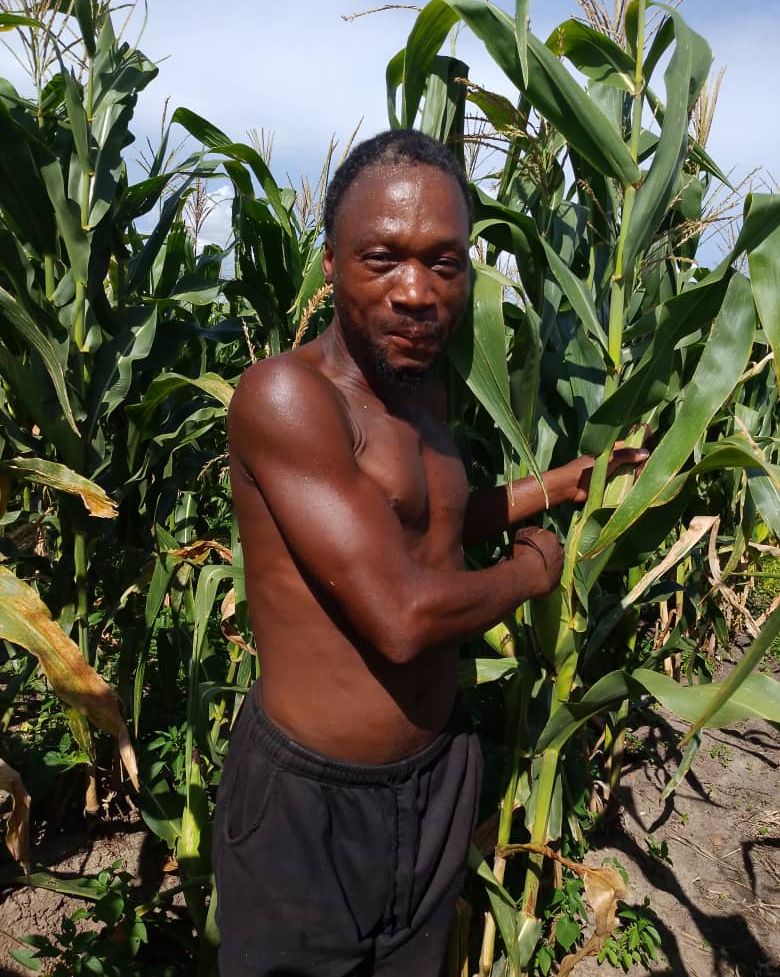
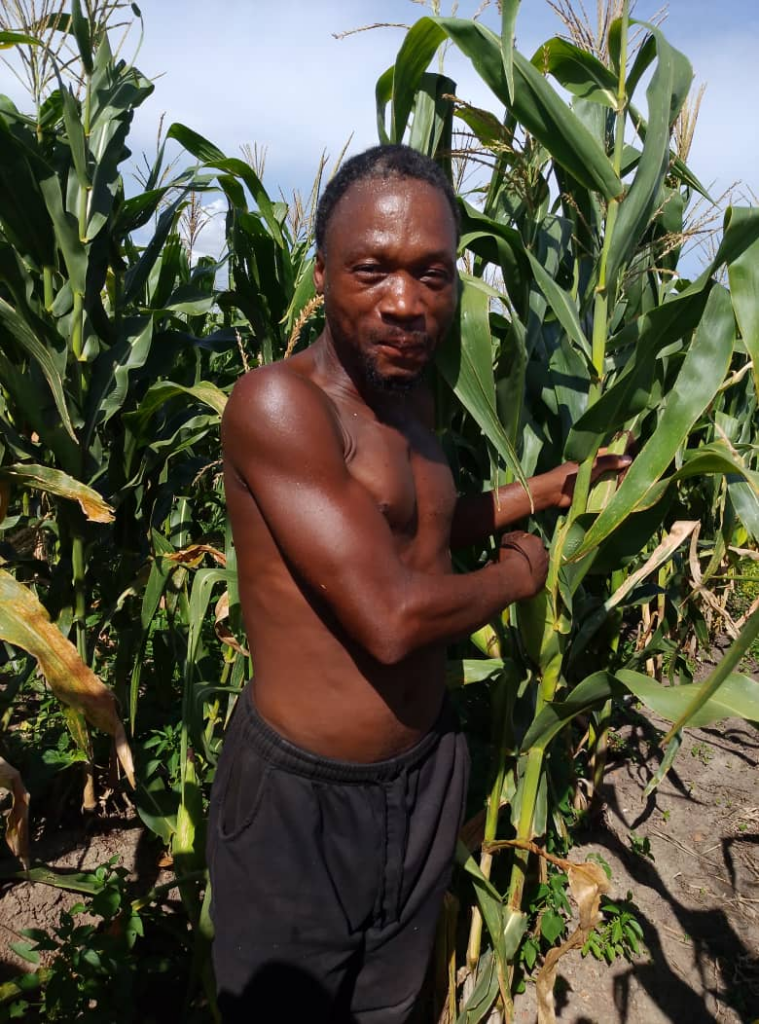
Mr Ndasalapati from Balaka says his crop only survived the recent the dry spell because he followed the team’s advice.
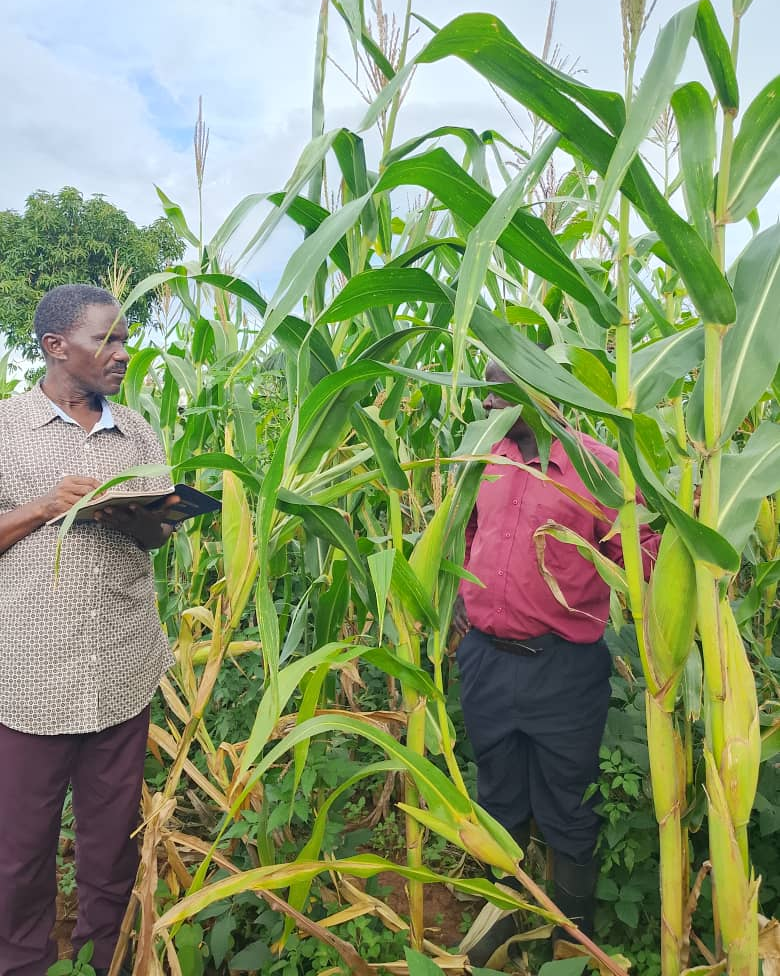
Project leader Hunta Faita visits a participant whose maize was well mulched and fed with compost and home-made liquid fertiliser.

The “Africanisation” of APF

By Training

From new African trustees to a growing network of Training Partners, APF is intentionally embedding African leadership and insight at the heart of its mission. In this article, Dave Stedman reflects on the progress made over the past few years in this important area of change for the charity.

Two years ago, I wrote an article for Impetus in which I posed the question, “How African is APF?” Since then, we have sought to become even more intentional about this. Some highlights include:

  • A bi-annual conference for our most committed and active African Training Partners (ATPs), providing an opportunity to listen and learn from one another, share experience, identify challenges, and find solutions together. The bi-annual ATP conferences also help formalise previously ad hoc relationships and provide an opportunity for the wider APF team to enjoy inspiration, fellowship and worship together. The next of these will take place in Nairobi in September.
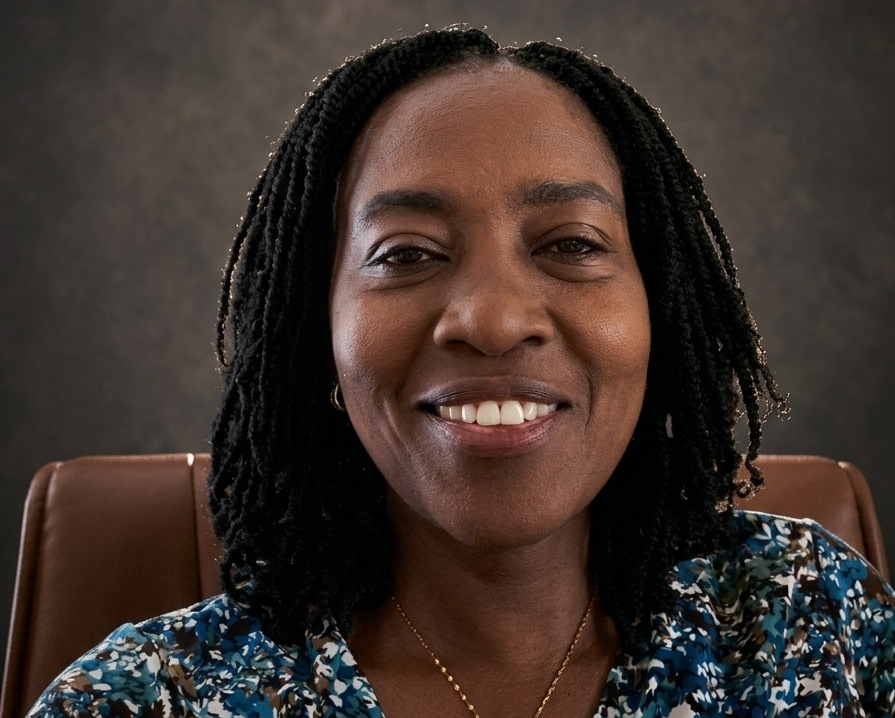
  • Two Africa-based trustees have joined our board, bringing valuable cultural insights and perspectives to our discussions and decision making. Rose Mugabi from Uganda brings deep expertise in enabling women’s leadership in Africa and Kingston Ogango has recently accepted the role of vice-chair of the board of trustees. Personally, I greatly value Kingston’s advice as an informal sounding board.
  • A network of ATPs across multiple countries now receives annual grants that enable them to deliver pastor training programmes and other initiatives that support local Christian leaders. While this approach has proven very cost-effective for the charity, reducing travel expenses for UK personnel for starters, it also helps our partners plan better, draws on their local knowledge and creativity and gives them more confidence in our commitment to support their work.
  • Increasingly, ATPs (and our Africa-based trustees) are conducting in-country and cross-border monitoring and evaluation visits that were previously carried out by UK personnel. This shift has both reduced costs and enhanced cultural understanding.
  • ATPs are also exploring and establishing local partnerships that would previously have been unlikely because APF lacked any permanent presence on the ground. For example, Lawson Limau in Zambia is pioneering a link with the Christian Broadcasting Network Southern Africa to introduce the Superbook discipleship training programme for children in Zambian churches.
Trustees: Rose Mugabi and Kingston Ogango
  • Likewise, Daniel Deng Bol in South Sudan is able to mobilise volunteers to assist in coordinating and delivering eVitabu workshops. This would not be possible without Daniel’s local connections and visibility.

For a long time, as I mentioned in the conclusion of the article in 2024, my aspiration has been to see an African Director of Operations (or similar) working alongside the existing UK-based team. Such a role would help secure these gains in the long-term, embed them in the DNA of the charity, and accelerate the ‘Africanisation’ of APF.

Beyond strengthening the leadership and support of our ATP network, I am convinced that despite the reality of widespread poverty across the continent, there is also considerable resource within Africa itself.

In the long-term, APF could be substantially resourced from within the continent. That is a healthy ambition if we are to increase the reach and influence of the mission – especially eVitabu – in the years ahead. Realistically, however, this potential can only be fully realised by a senior African leader set apart to develop it.

By empowering African leadership, APF is not just working in Africa, it is growing from Africa.

More Than a Title: What is a Pastor?

By Kenya

 Drawing on a conversation with Edith Wamalwa in Nairobi, Dave Stedman reflects on a simple but important question: what does it really mean to be a pastor?

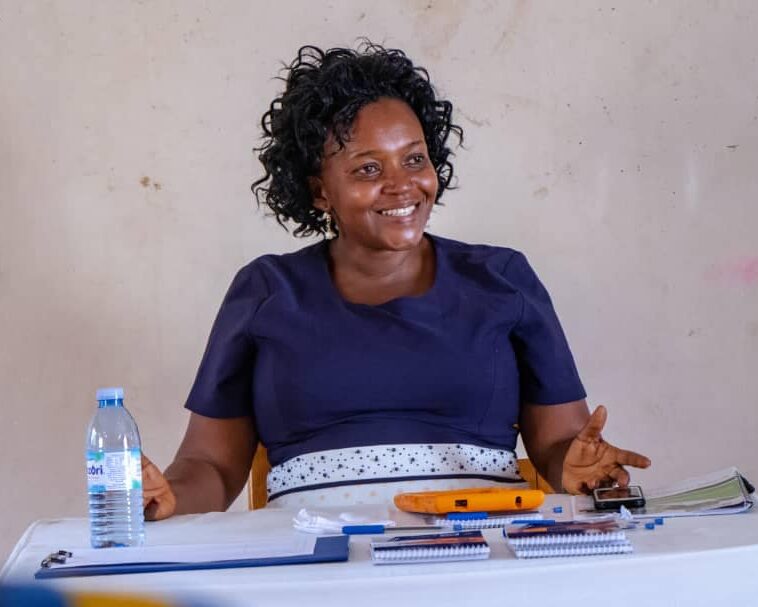
Allow me to introduce my good friend Edith Wamalwa. Edith was the first person I met when I landed in Nairobi on my very first trip to Africa after I had started working for APF in January 2015.

At that time Edith was the manager of the CLC Bookshop in Nairobi. She really wanted APF to remove the rusting container full of children’s books, picture sets, and other literature that APF had printed and had been storing in the bookshop compound for several years.

Since then we have worked together on a few projects and remained in regular contact through the APF WhatsApp prayer group. Edith currently serves another organisation, but today she is helping me with some administration for the conference APF will be running for key African partners in Nairobi in September.

It has actually been several years since we last spent time together, so we had a lot to catch up on during the few days I have in Nairobi this March. I knew that the pastor of the church where Edith had been a long-serving and very active member had sadly died prematurely a few years ago, and that Edith did not enjoy the same rapport with his successor. Edith shared that, with regret, she had felt it was right to find a new church in which to worship.

Edith Wamalwa is helping APF organise a key partners conference in September
“I doubt the new guy would even notice I have gone,”

I asked Edith whether she had spoken with the new pastor about how she felt. She explained that she had discussed her feelings with her trusted friend, the previous pastor’s widow. Then she added, “I doubt the new guy would even notice I have gone,” and said that he had “not allowed the church to grieve and heal” before moving on with new programmes and ministries. The church was still strong with new people, but the “elderly”, as she described herself, largely felt unwelcome and many had left.

This is sad, but it is also, sadly, very familiar. I could name several churches in the UK and elsewhere where the same is true. In the rush for new initiatives and pioneering projects, the actual people can get overlooked. I may even have made this mistake myself in the past.

Pastors come in many shapes and sizes, with diverse and eclectic gifts, but the clue is in the word. “Pastor” is derived from pastoral and means shepherd: someone who cares for sheep, who protects and guides them; a person who knows their sheep by name, sees when they are lost or hurting, cares for them individually and collectively, and actively seeks them out, sometimes even at personal cost.

There are sometimes good reasons for leaving a church and going elsewhere, but it should never be because “the new guy wouldn’t even notice.”

April 2026 newsletter

By Impetus

April 2026 Impetus.

It is that time of year when APF’s Coordinator, Geoff, is working hard with the independent examiner to prepare the charity accounts for the AGM. I help where I can, but most of that responsibility falls to him. Meanwhile, I write the text that forms the Trustees’ Annual Report.

I am a “words person” and find numbers a bit bland. But sometimes the numbers tell the story very well, and 2025 was an encouraging year.

eVitabu

Since launch, there have been more than 3,000 unique eVitabu registrations. Currently, nearly 2,500 active users across 37 African countries are using the app, collectively reaching perhaps as many as 2 million people as they share its resources with their church congregations and communities.

African Training Partners (ATPs)

In 2025, twenty-four training grants were awarded for formal academic programmes and informal in-service conferences across 11 countries. This included eVitabu awareness events in Cameroon and Zimbabwe for the first time.
During 2025, our ATPs engaged with up to 4,000 pastors and community leaders through both in-person and online training, with an estimated indirect reach of around 400,000 people.

Church and Community Initiatives

Twenty-five larger grants supported projects including study Bibles, bicycles, children’s ministry initiatives, computer hardware, agricultural training, tree planting, and income-generating activities. Many smaller grants also met medical and pastoral needs. Together, these initiatives reached an estimated 85,000 direct and indirect beneficiaries.

We believe this level of impact represents an excellent return on the resources entrusted to us by supporters.

If you are encouraged by these numbers, you can help share the story of APF’s mission to enable effective ministry and community transformation in Africa:

  • Ask your church to invite Geoff or me to speak – we would love to come.
  • Request additional copies of Impetus to share with family and friends.
  • Follow, like, and share our regular social media updates.
  • Pray that the Lord will continue to establish the work of our hands, and those of the dedicated but often marginalised pastors we serve.

Thank you,


Revd Dave Stedman
CEO

Investing in the Future of the Church in Kenya

By Kenya

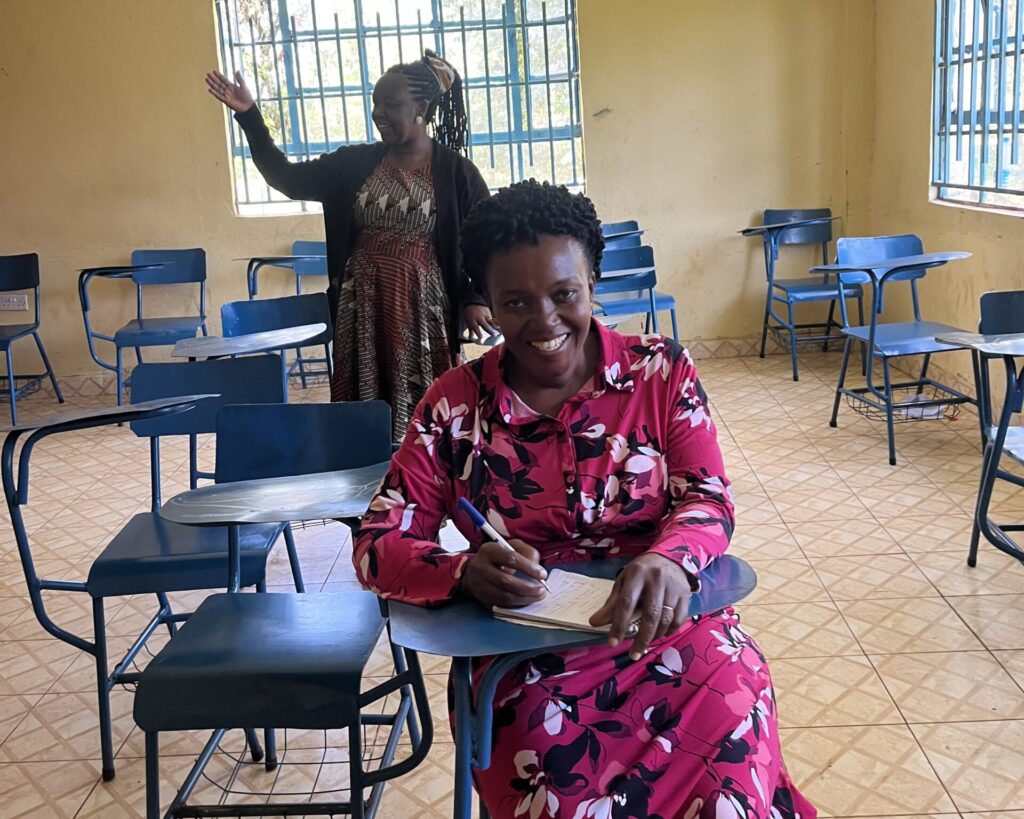
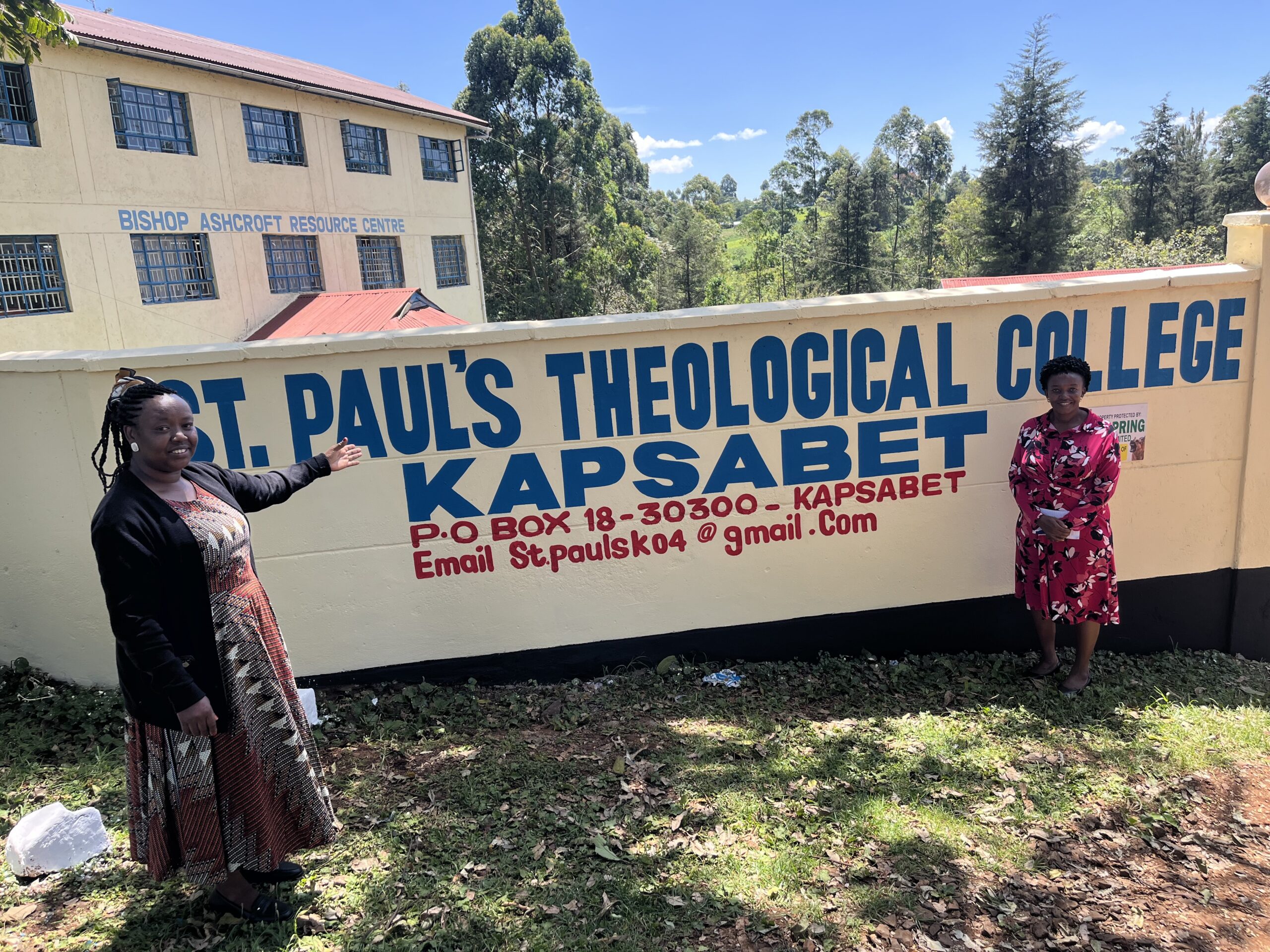
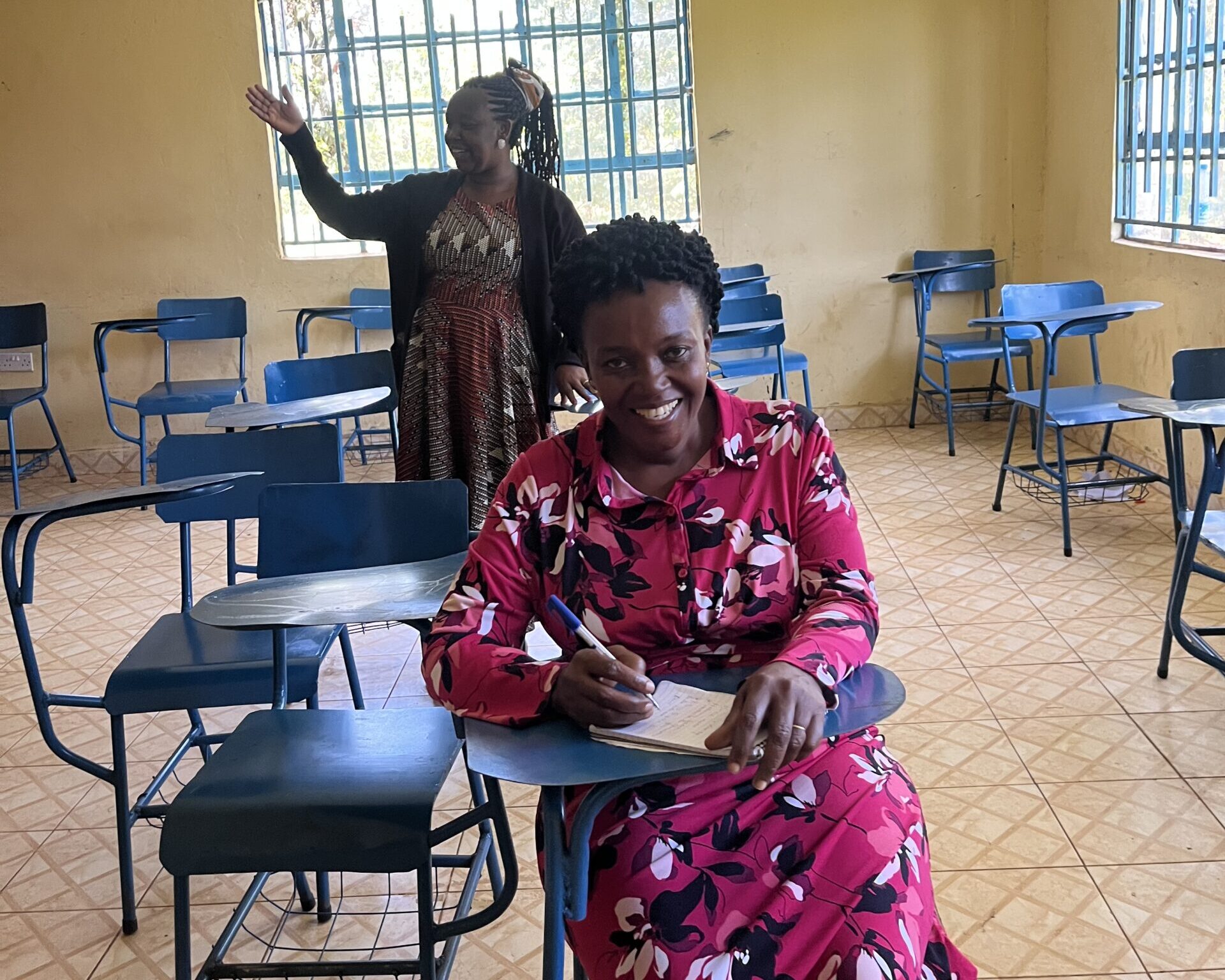
 Dr Rose Mugabi (right) is an APF trustee from Uganda. She recently returned from Kapsabet in western Kenya, where she visited St Paul’s Theological College and met the principal Ven. Elizabeth Cheruiyot (left) to monitor how the college is using the support it receives from APF. Rose writes:

African Pastors Fellowship has been strengthening digital learning and access to learning resources at St Paul’s Theological College for six years. When I visited in November, the impact of this long-term investment was evident across the campus.

This comes at a crucial time. Across much of Africa, the church continues to grow rapidly, often outpacing the availability of trained leaders. Theological colleges like St Paul’s play a vital role in equipping pastors, evangelists, and teachers who can serve their congregations with wisdom, integrity, and strong biblical grounding.

As churches expand into new communities – and as younger generations seek deeper discipleship – the demand for well-prepared Christian leaders has never been greater. Strengthening theological education is therefore essential for sustaining healthy, vibrant churches across the continent.

One of the most striking improvements at St Paul’s has been in ICT support and digital literacy. It was encouraging to see students confidently using computers for research, classwork, and sermon preparation, with many now able to record and send videos of their sermons back to their home churches.

Library upgrades funded by APF have also transformed daily operations. A bar-code reader has streamlined borrowing, improved network infrastructure allows for shared printing, and a new router has expanded wireless internet access for staff and students. The enhanced library management system has opened up wider access to high-quality online theological resources.

Investment in furnishings and learning spaces has further enriched the college environment. New chairs and two pulpits now serve the Bishop Ashcroft Resource Centre. Although some of the original furniture budget was redirected to buy new library books – responding to student priorities – funds remain to complete the centre’s furnishings soon. The library itself continues to grow, with additional titles recently ordered.

Rosa Mugabi and Elizabeth Cheruiyot at St Paul’s

My visit also highlighted several ongoing challenges. High staff turnover in the accounts department slows financial reporting, and the college’s complicated procurement process – though designed for accountability – causes delays and incurs reimbursement costs that reduce available funds. Smaller projects struggle to attract viable tenders, and some ageing laptops in the ICT room require constant attention.

Despite these hurdles, it was encouraging to see strong financial stewardship at the college and students actively benefiting from the upgraded facilities, new laptops in the ICT lab, and high-speed fibre internet in the library.

Monitoring visits like this are vital. They help APF supporters know their donations are being used wisely and making a real, lasting difference. I’m already looking forward to returning to Kapsabet next year to see the next stage of progress.

Discovering Wisdom for Rural Ministry in Rwanda

By Rwanda

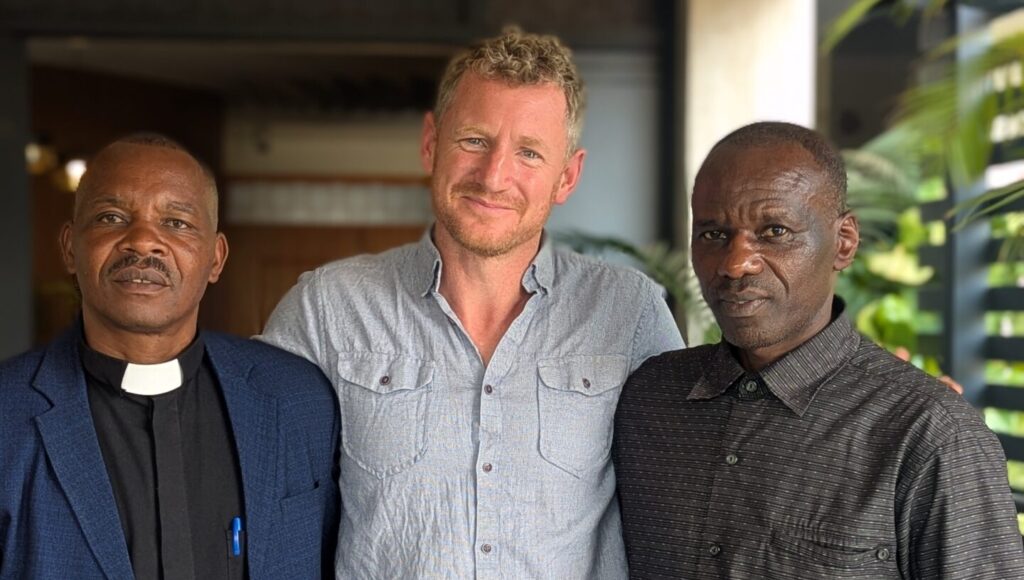
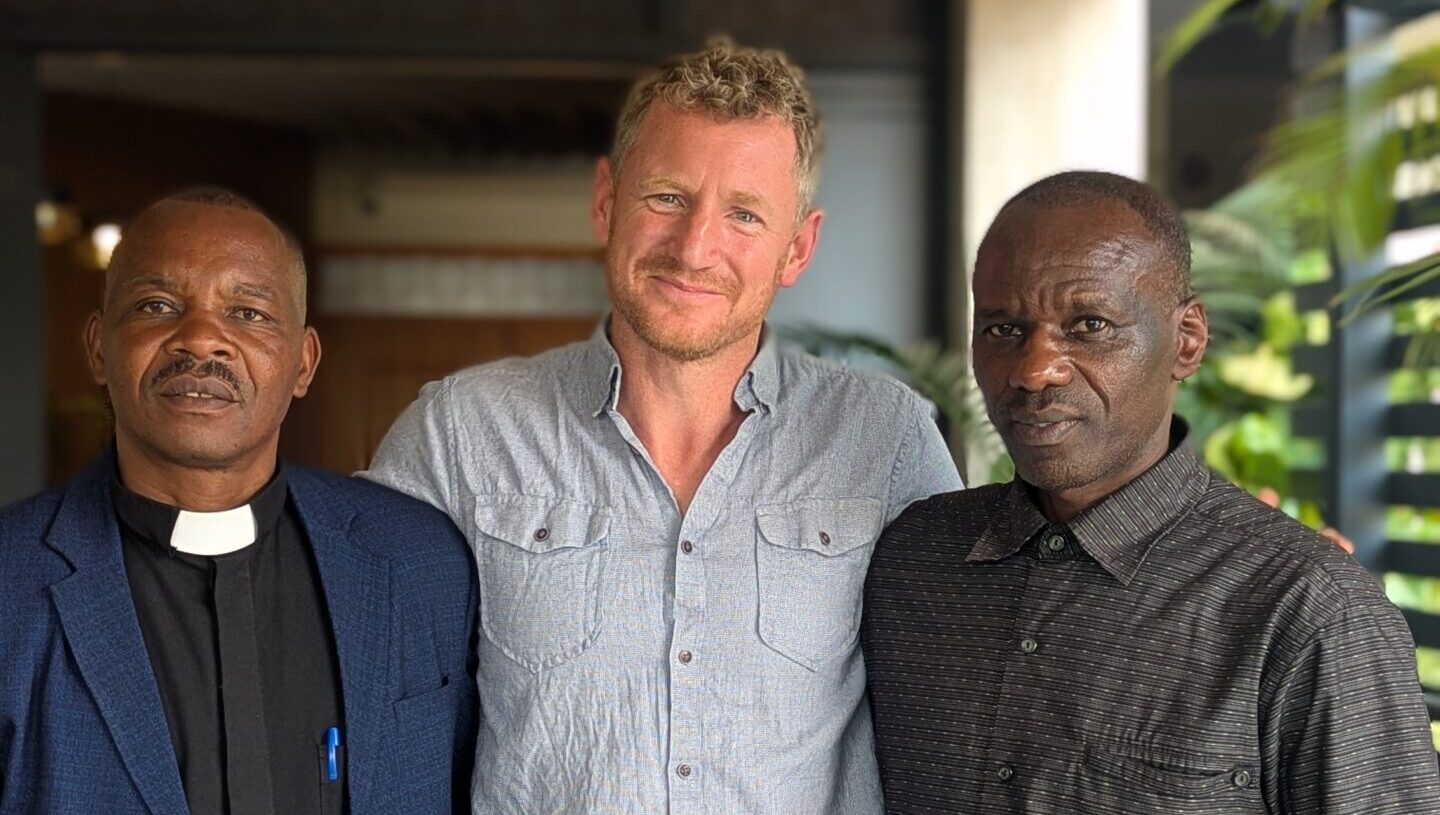
In November, Geoff Holder (centre) from the UK team travelled to Rwanda to evaluate the impact of Wisdom Bible School – an innovative approach to training rural pastors supported by APF. Rev. Oswald (right) and Rev. Silvestre (left), clergy from the Free Methodist Church, shared a powerful overview of why rural training is so vital, especially at a time when many rural churches in Rwanda remain shut due to government regulation. Here, Rev. Oswald tells the story:

I am grateful to share what God has been doing through Wisdom Bible School over the last few years, made possible through the faithful support of our partners at APF. Looking back fills me with joy, gratitude and renewed hope for the future.

We began the programme in 2019 with fifty students. One sadly passed away, but forty-nine recently completed the course with strong results and their dedication is already bearing fruit.

Eight now serve as full-time pastors, twenty-five as catechists and sixteen as evangelists. Our catechists alone lead 196 prayer groups, care for twelve local churches and have helped establish new parishes in Gakenke, Nyacyina and Kabare.

Students came from a wide mix of Christian traditions – Methodist, Anglican, Baptist and Pentecostal. Sixteen women and thirty-four men studied side by side, turning our classroom into a living example of Christian unity.

From the start, we reassured local churches that we were not “taking” their leaders but equipping them to return home better prepared for ministry. Week by week, denominational barriers softened as students learned to value one another’s perspectives.

Teaching took place one full day each week. Many travelled long distances from rural villages, and the bicycles provided by APF made their attendance possible. The curriculum included Bible history, New Testament studies, preaching, pastoral care, English language and more.

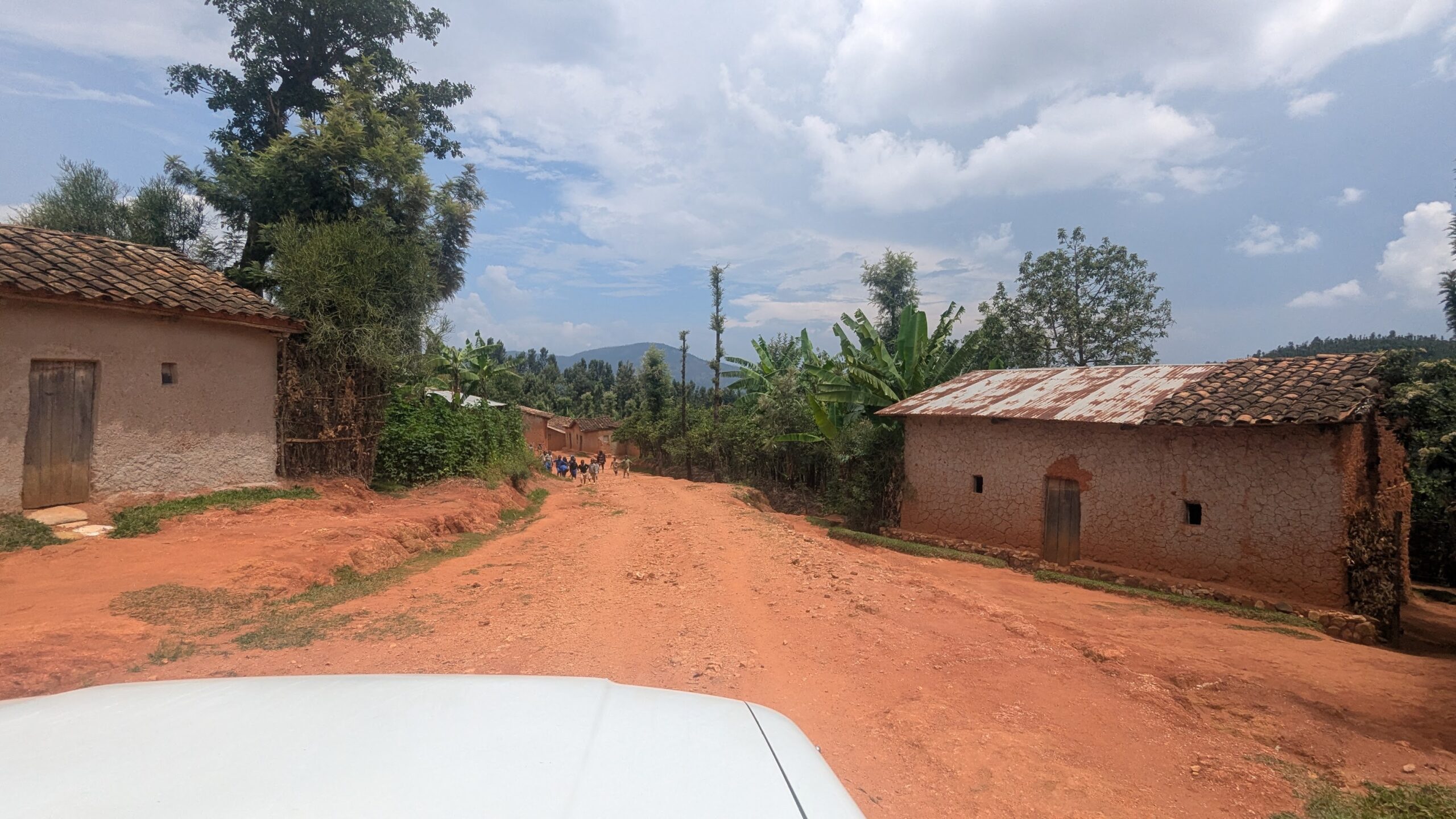
A rural road in northern Rwanda
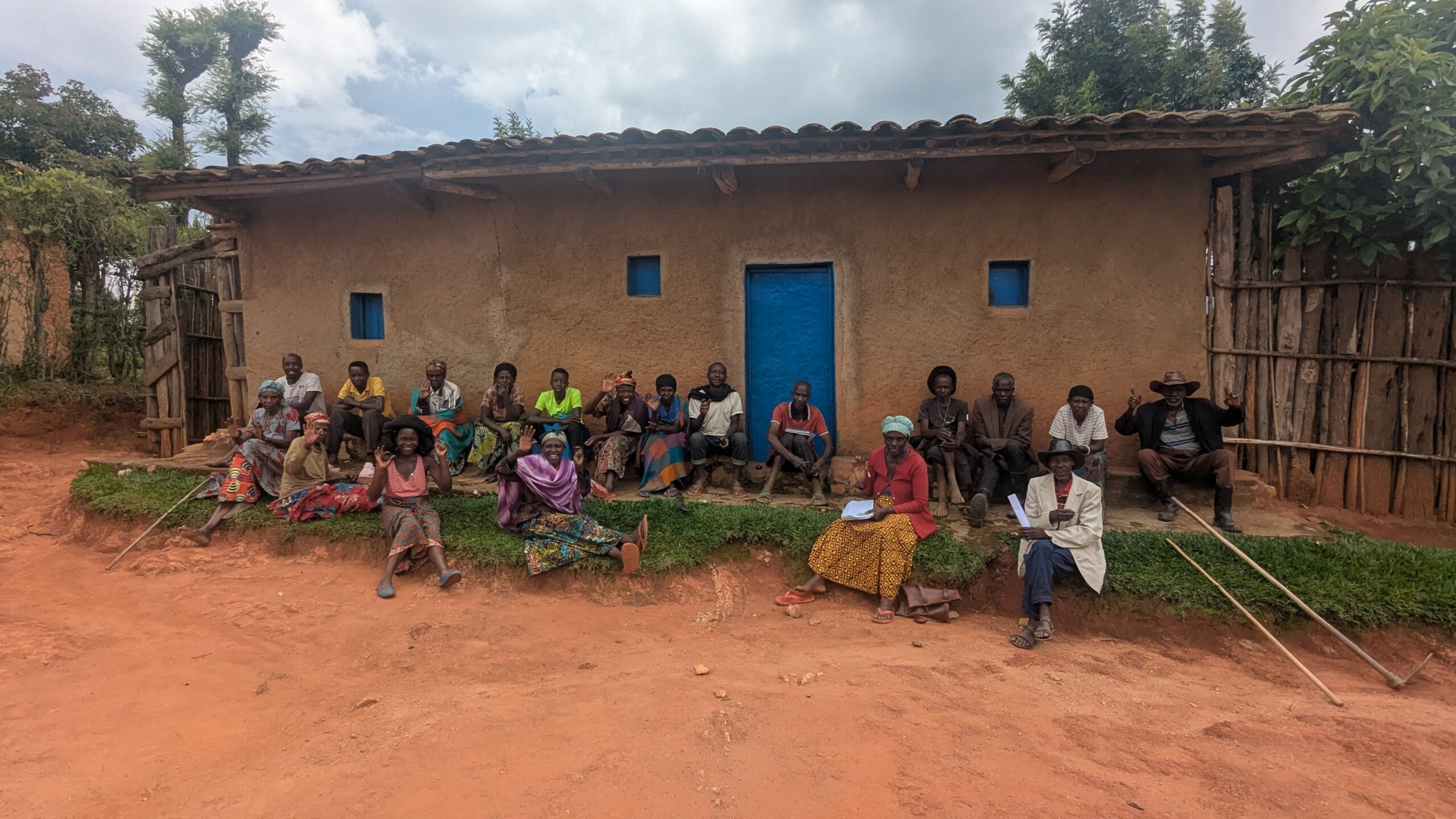
Village community gathering

The greatest impact, however, has been seen in local communities. Bible studies have multiplied, baptisms increased and many new believers have joined church ministries. The local-language Bibles supplied by APF have been essential for preaching, discipleship and church planting.

To support whole-life ministry, we added practical livelihood skills to the curriculum. Savings groups were formed. Families began raising hens, pigs, sheep, goats and rabbits, and planted fruit and vegetable gardens.

Most students come from very humble backgrounds, often struggling with school fees or health insurance. These initiatives have reduced malnutrition and strengthened household income, giving visible expression to God’s love.

Two pastoral issues emerged strongly. First, many preached Old Testament texts without connecting them to the gospel or daily life. Second, prosperity teaching had encouraged some to expect gifts in exchange for blessings or prophesies. Through study and discussion, students rediscovered the call to integrity and servant leadership.

While many churches in Rwanda remain closed under government regulations, our trained leaders have continued ministry by visiting homes, sharing communion and reading Scripture with families, keeping the flame of faith alive.

As we look ahead, our prayer is to reopen Wisdom Bible School with a new cohort soon. The need is great and the calling clear. With God’s help, we are ready for the next step. May He provide the strength and resources to continue this essential ministry.

January 2026: Highlights and updates

By Fundraising, Impetus, Malawi, South Sudan, Uganda, UK

Read about some of the key highlights from recent months, offering a glimpse of how APF partners are training leaders, strengthening communities, and helping the church in Africa to flourish.

Malawi Youth Conference

In Blantyre, Johanna Chizenga from New Life Christian Church hosted a youth conference where part of the day focused on encouraging young Christians to download and install eVitabu, giving them access to thousands of excellent resources to support their churches, communities and home-life.

Johanna Chizenga
Johanna Chizenga introducing eVitabu to a youth conference in Malawi

UK Team Get-Together

The APF UK team of (pictured left to right) Jonathan, Dave, Geoff (who came straight from the airport from his latest visit to Africa), Martin and Hannah met near Heathrow to catch up and reflect on the last year as well as share ideas for the year ahead. Jonathan also showed the team around some exciting new updates he has planned for eVitabu.

The APF UK team

eVitabu in South Sudan

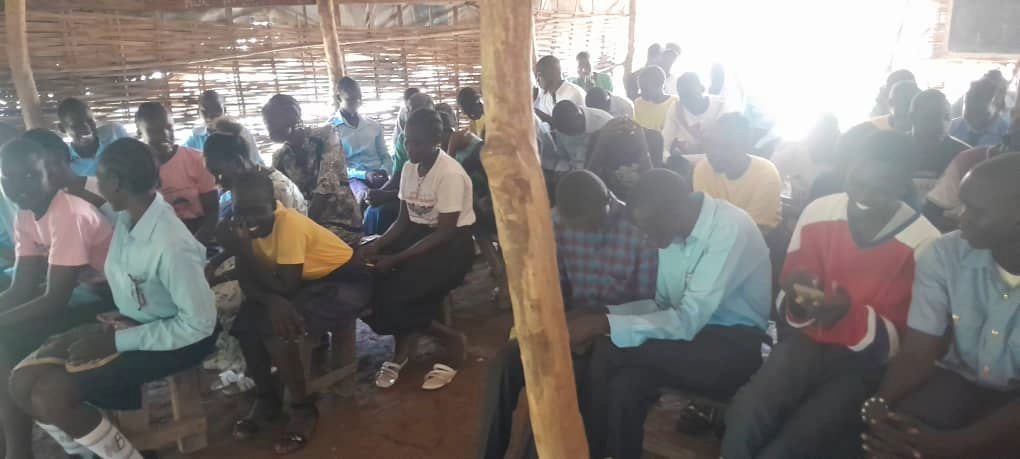
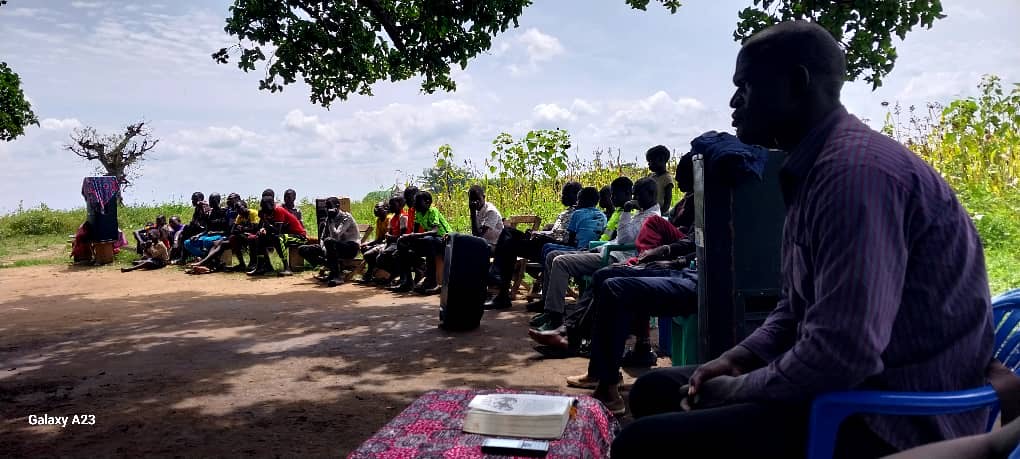
Remoteness isn’t a problem for APF partner Daniel Deng Bol in northern South Sudan. Young leaders turned up from many miles around to attend an eVitabu workshop Daniel ran in November.

eVitabu training in South Sudan

Just Trees Appeal

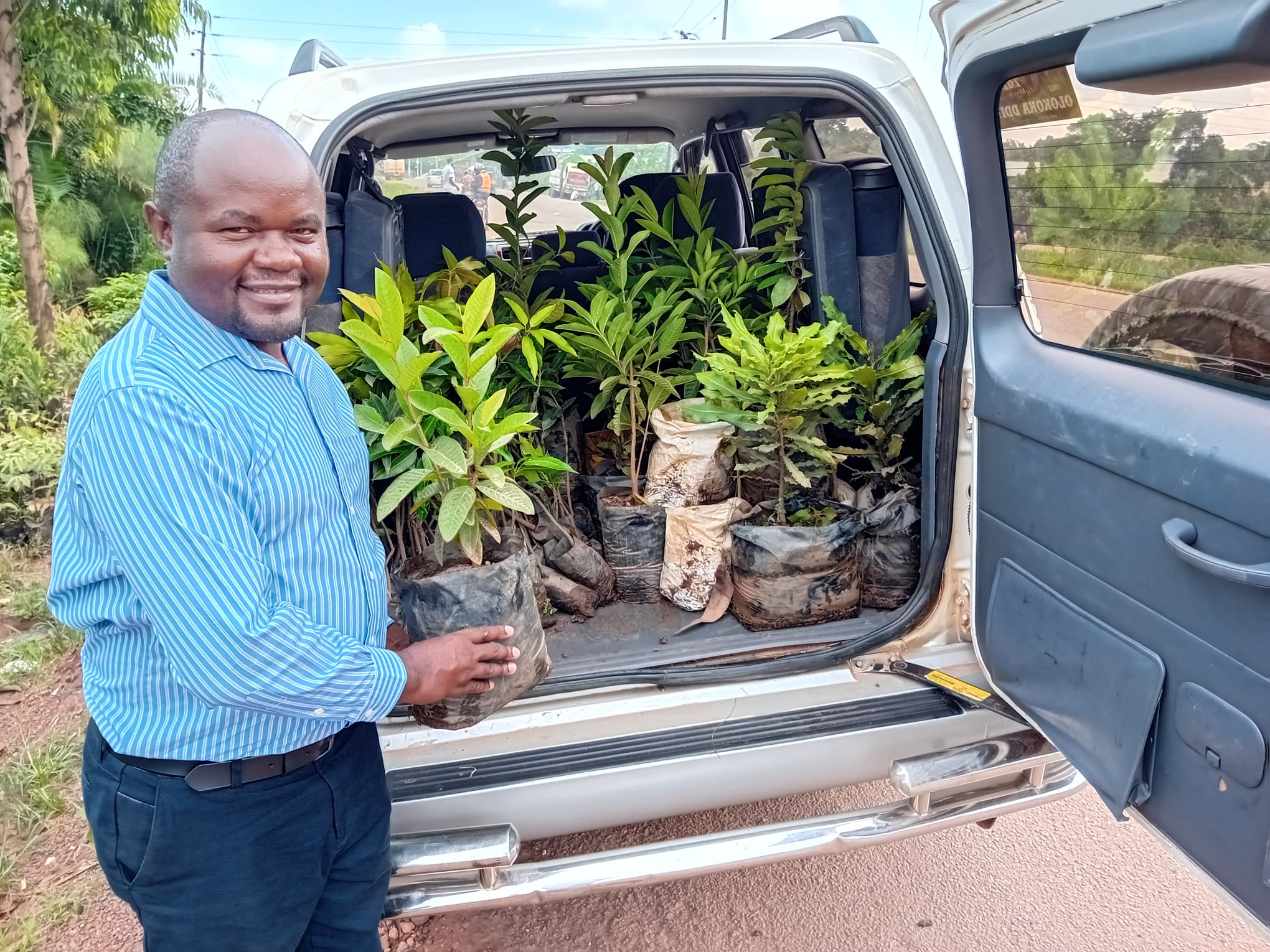
Our Christmas Just Trees campaign has made a strong start, raising around £500 so far to help Walubo Jude plant trees in Uganda. We’re still taking donations so go to www.africanpastors.org/just-trees to make a Christmas gift that will last for generations.

Get you help Walubo Jude plant trees in Uganda?

January 2026 newsletter

By Impetus

January 2026 Impetus.

There are many things I truly love about my job. I get to work with an incredible team here in the UK and with inspirational leaders across Africa. I’m privileged to see innovative projects take shape, to help build training partnerships, and to travel to remarkable places where I learn so much from the richness of cross-cultural ministry.

But if I’m honest, the part of my role I enjoy the least is the constant pressure to fundraise so that APF can keep its promises to our African Training Partners so they can continue their vital ministries across Africa.

Right now, our regular monthly giving simply doesn’t cover our fixed monthly costs. That means we’re continually relying on unexpected one-off donations, grants, legacies, or fundraising events to make ends meet. It makes planning for the future difficult.

More importantly, it means we can’t confidently give our African Training Partners the mid-term or long-term assurances they need to plan their work effectively. That uncertainty inevitably limits the impact of their ministries.

It also means that a significant amount of my own time is taken up with preparing funding bids, organising fundraising initiatives, and following up potential donors – time I would far rather invest directly in the people and projects we serve.

I’ve done the maths: if everyone reading this edition of Impetus increased their current monthly donation by just £2 – or set up a monthly gift of £2 if you don’t already give regularly – we could close this gap. It really is that simple. And it would make a meaningful difference to the dedicated, yet often marginalised, pastors we support across Africa.

Thank you, as always, for your generosity and for standing with us. As we step into 2026, I warmly invite you to consider this small but significant commitment.

In Christ,


Revd Dave Stedman
CEO

October 2025: Highlights and updates

By Fundraising, Impetus, Kenya, Uganda, Zambia

Read about some of the key highlights from recent months, offering a glimpse of how APF partners are training leaders, strengthening communities, and helping the church in Africa to flourish.

Formal Theological Training

APF is proud to support several key initiatives across East Africa. In Kenya, we’ve provided a grant for Revd Abraham Koech, an African Inland Church pastor, theology lecturer, and chaplain, to attend a national chaplains’ conference in Mombasa. Revd Koech recently served as a keynote speaker for over 1,000 women leaders from the AIC in Kenya.

In Rwanda, we’ve granted two clergy from the Diocese of Kigeme, Vianney Ntitanguranwa and Tharcisse Twizeyimana, funding to continue their Bachelor of Theology degrees at the East African Christian College. With Kigeme located near one of Rwanda’s largest refugee camps, their theological training will be especially valuable in supporting both local congregations and displaced communities. Additionally, APF has provided funds to St. Paul’s College in Kapsabet, Kenya, to enhance internet access and furnish its campus resource centre.

In Uganda, the Atirir Bible School has received funding for subsidised tuition fees and to enable Principal Revd Esomu Francis to provide basic pastoral training to rural pastors from the north-eastern sub-regions of Teso and Karamoja.

East African Christian College, Rwanda

Church and community initiatives

Thanks to the generous support of online Christian bookseller 10ofThose, we have been able to provide bicycle grants to Morobo Diocese in South Sudan, Masasi Diocese in Tanzania, Word of God Ministries in Malawi, and Renewal Ministry Fellowship in Kenya. As their Charity of the Year, hundreds of bicycles have already been distributed with more to come. APF’s partnership with 10ofThose has also provided two motorbikes to Deeper Life Church in Karagwe, Tanzania to strengthen its rural pastor training programme.

Numerous pastoral grants have been distributed, including support for Faith Babies Home and Love and Care for the Children Kindergarten, both in Uganda. We give thanks for the leadership of Grace Kaziba from Faith Babies Home, who also serves as the Baptist Union of Uganda’s Youth Representative to the All Africa Baptist Alliance. Grace is prayerfully seeking support to attend conferences in the Central African Republic and South Africa later this year, opportunities that will further strengthen her ministry.

In partnership with Operation Agri, the Growing Greener sustainable agriculture project is flourishing in Malawi, together with a compost training programme in Zambia. Rooted in the ministry of local churches, these initiatives not only equip communities with practical agricultural skills but also bear witness to God’s love in action. Since their launch, thousands of people have been empowered to improve their livelihoods, with local African churches at the heart of this transformative work.

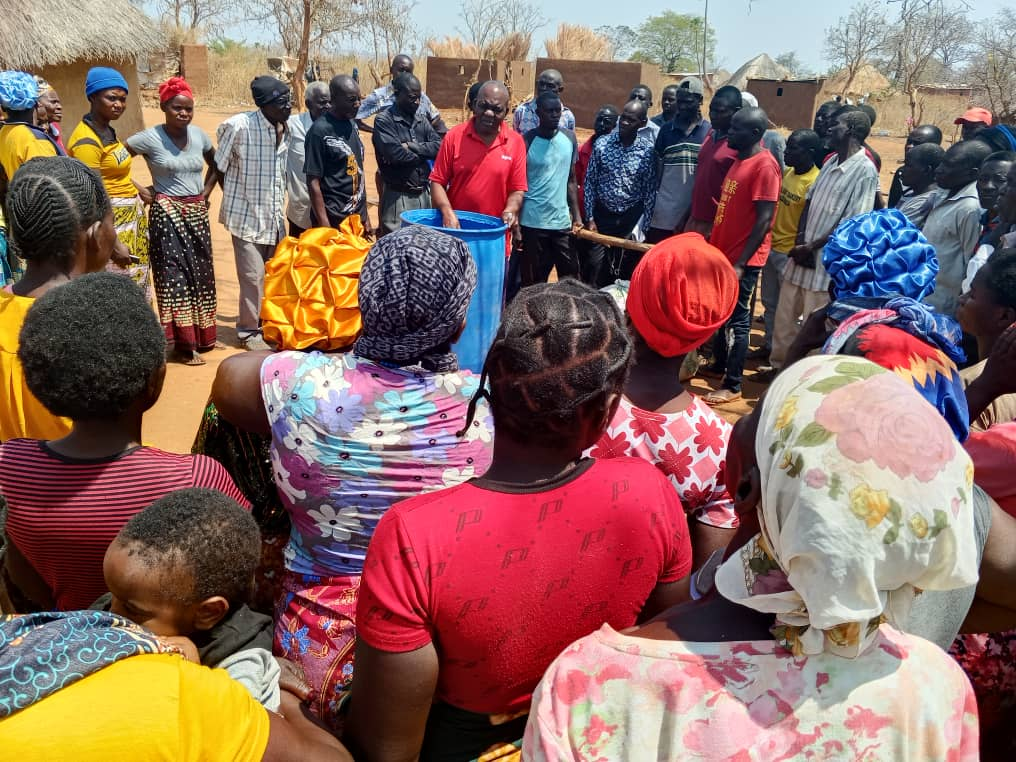
Sustainable agriculture training in Zambia

Informal formational training

Our Africa Training Partners have been busy delivering in-service training workshops across the continent. These workshops introduce new groups to eVitabu, using the app’s resources to encourage and equip church leaders and their churches. This year, we’ve funded training workshops in Burundi, Kenya, Rwanda, South Sudan, Tanzania, Uganda, and Zambia.

We’re also excited to announce a new partnership with Oasis International. Together, we have secured a consignment of Africa Study Bibles for distribution in Uganda by our training partners, Revd Peter and Dr Rose Mugabi (pictured). Our long-term goal is to offer the Africa Study Bible in a digital format within eVitabu, making it even more accessible.

Peter and Rose Mugabi

Golf team visits Uganda

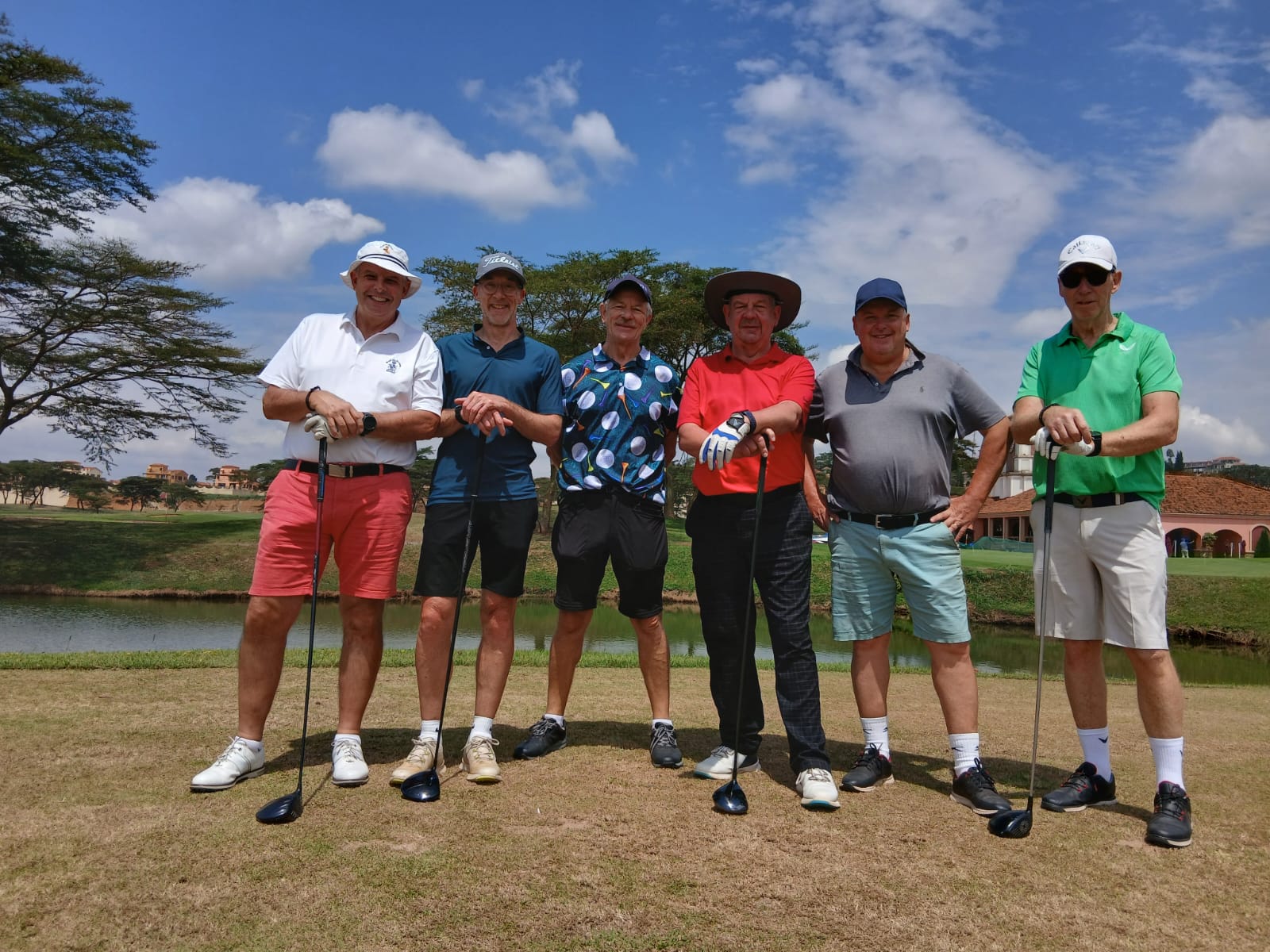
Back in late September, a team of eight APF supporters headed to Uganda to visit projects, meet Africa Training Partners, spend time with local communities – and even squeeze in a few rounds of golf! The trip was a wonderful mix of fun and fellowship, while also raising vital funds for APF and giving supporters the chance to see the amazing impact of our partners’ work firsthand. Off the back of such a great experience, we’re looking forward to planning more cross-cultural engagement tours in 2026 and beyond. If you’d like to find out more or even join a future team, email Dave here.

Golfers in Uganda playing to raise vital funds for APF

Under the Trees and Beside the River: Church Growth in Karamoja

By Uganda

Martin Hayter, the newest member of the APF UK team, brings a wealth of experience from his 18 years serving the Karamojong people in Uganda. In the following article, Martin draws on his firsthand experience with church leaders in the region to share about the remarkable growth of the church in Karamoja.

It could perhaps be mistaken for a scene from a biblical blockbuster but is instead a baptism service held in May earlier this year. A church in the Karamoja sub-region of north-eastern Uganda held a baptism service in the local river where they baptised 200 new believers. In addition, through the preaching of the gospel and the testimonies of those being baptised, a further sixty people also gave their lives to Christ on that same day.

Such baptism services are now a common occurrence in Karamoja where the gospel is spreading fast. New churches are regularly being planted, often meeting and praying under large trees that offer some shade from the sun, though less protection in the rainy season. In recent years, climate change has brought heavier rainfall, and last month floods destroyed the crops of many local people.

Whilst most of Uganda became Christianised at the end of the nineteenth century, until recently, the Karamojong, a pastoralist people related to the Turkana in Kenya, continued to follow traditional beliefs. However, following the translation of the Bible into their own language in 2010 and the adoption of culturally appropriate mission practices, things began to change, and the gospel spread rapidly amongst the Karamojong.

Church meeting in Karamoja, Uganda

Everything ground to a halt when the Covid pandemic hit in 2020. The Ugandan government enforced strict lockdown rules and all churches were temporarily closed. Without the option of providing online services, the pandemic was a huge challenge for the pastors of churches that were still full of relatively new believers. However, this was only a hiatus, for when the lockdown came to an end, the gospel began to spread rapidly once more.

Pastor Stephen is the Secretary of the Pastors Fellowship in Namalu, a small town in the south of Karamoja. Pastor Stephen says that the church in Karamoja takes very seriously the need to reach out to the unreached, disciple new believers, and open new churches. According to Pastor Stephen, the pastors themselves face very many challenges, although, before continuing, he quickly interjects that no challenge can stop the move of the gospel.

These challenges include the cost and difficulty of travelling to remote areas, a lack of public address systems to speak to gatherings of thousands, struggling to support their own families, trying to put up basic church buildings, and helping the needy in their churches, especially as there are so many orphans in Karamoja, which is the poorest and most marginalised region of Uganda.

The needs of these pastors, as articulated by Pastor Stephen, are familiar to all who seek to stand with the African church. Having lived and served among the Karamojong, I’ve seen firsthand both the challenges and the incredible faith of the church there. My experience also showed me the vital need for resources like Bibles, which APF has previously provided to churches in Karamoja. It is a real joy to now be part of APF, bringing my background to our shared work in Karamoja and across Africa, as we work to equip African church leaders, pastoring the pastors, as they serve and transform their communities.