

African Training Partners gather in Nairobi to celebrate what God has done and ask where He is leading next.
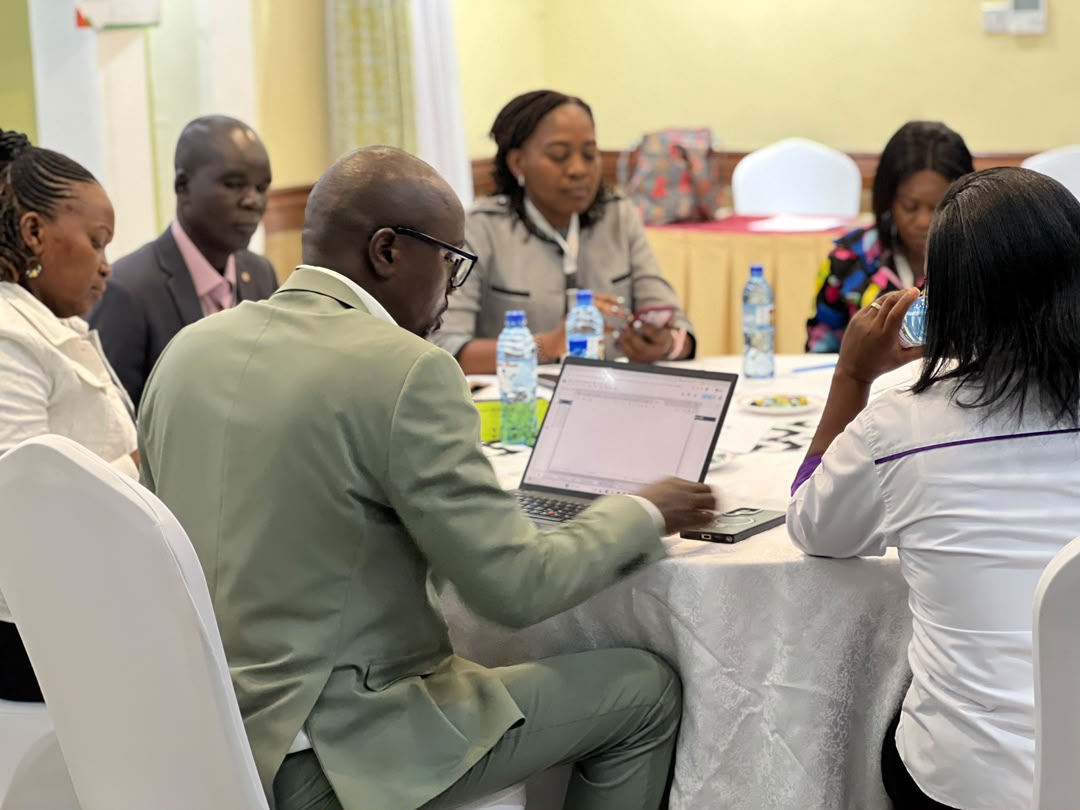
There was a real sense that something important was happening in Nairobi in September.
Twenty-five of APF’s most committed training partners gathered at the ACK Guest House. They came from Kenya, Malawi, Rwanda, South Sudan, Tanzania, Uganda and Zambia, bringing different experiences, perspectives and stories, but a shared passion to see the Church in Africa flourish.
It was a time to celebrate. But it was also a time to ask some difficult questions: Where have we seen God at work? What have we learned? What is changing around us? What might God be asking us to do differently?
The phrase that kept coming back throughout the gathering was: “We haven’t come this far to only come this far.”
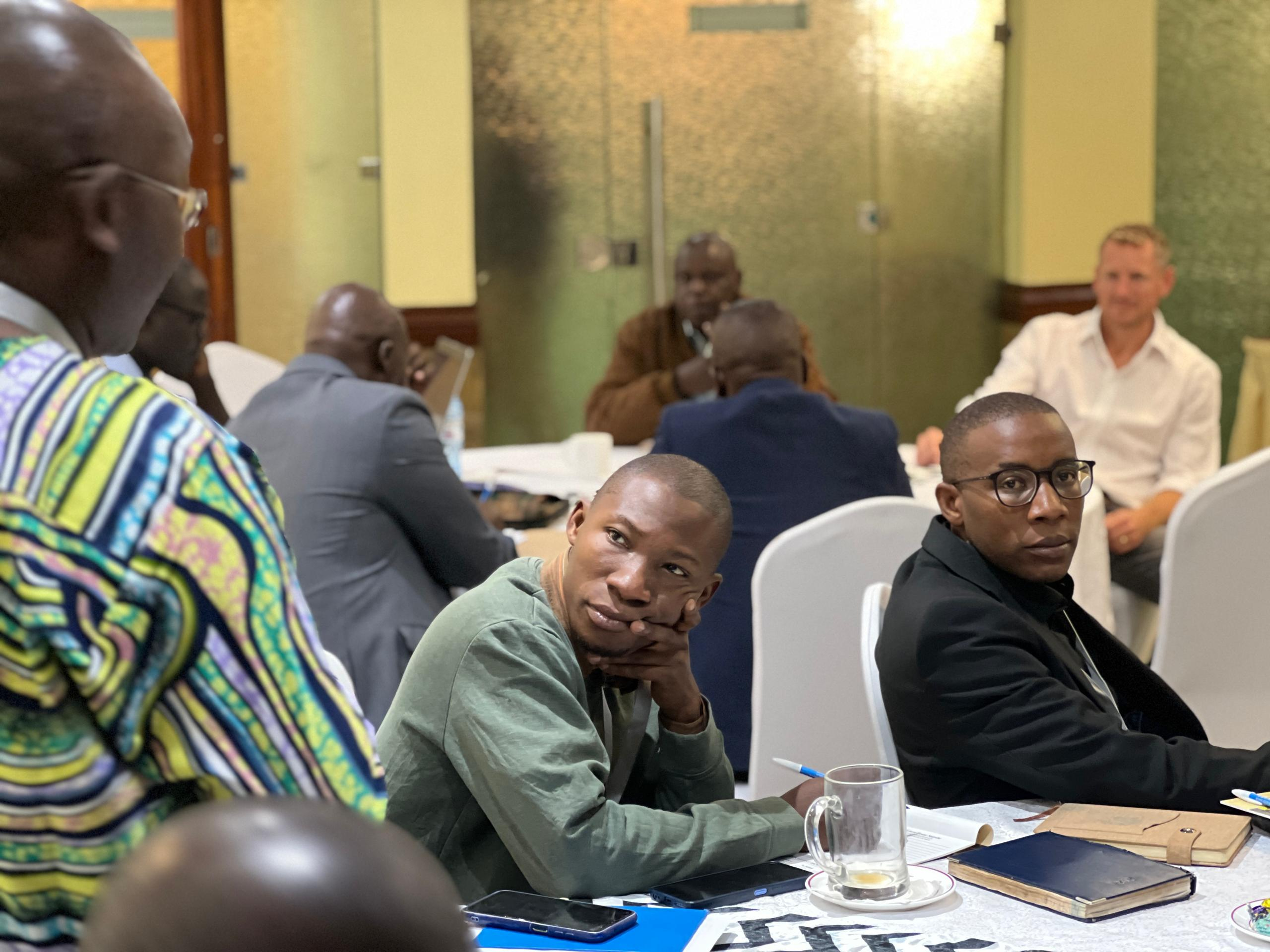
Remembering how far God has brought us.
The gathering began by looking back. Drawing on the story of Samuel setting up an ‘Ebenezer’ stone after God had delivered His people, we were reminded of the importance of remembering God’s faithfulness to APF, the people He has brought together, the ministries that have grown, the lessons learned and the lives that have been changed. But remembering wasn’t just about looking back and celebrating what has happened.
It was also about asking what the past might teach us about the future. One of the ways we explored this was by telling stories of ministries that had grown, leaders who had been equipped, communities that had changed and unexpected things that God had done.
Some of the conversations began in an unlikely place: the farm. Stories about restoring pasture, planting trees and managing land for people and nature provided a way of thinking about something much bigger. Healthy ecosystems require attention, good stewardship and imagination to grow and flourish. What worked yesterday isn’t necessarily what is needed tomorrow. The same can be true of the Church.
Africa is changing rapidly. Young people are growing up in a digital world. Communities face new challenges and opportunities. Churches are developing new ways of reaching and discipling people. And African Christian leaders are asking increasingly important questions about what theological education, pastoral formation and Christian leadership should look like in their own changing contexts.
The answer cannot simply be to do more of what we have always done. APF needs to listen, learn and adapt.
From supporting Africa to being genuinely African-led.
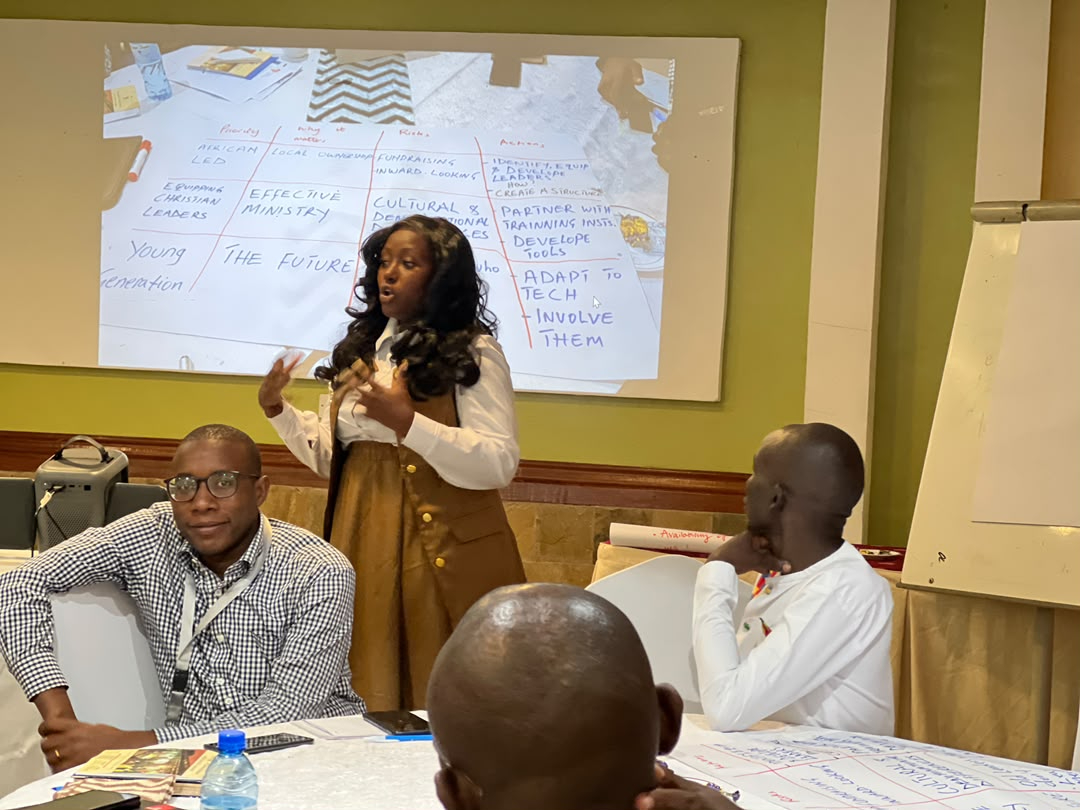
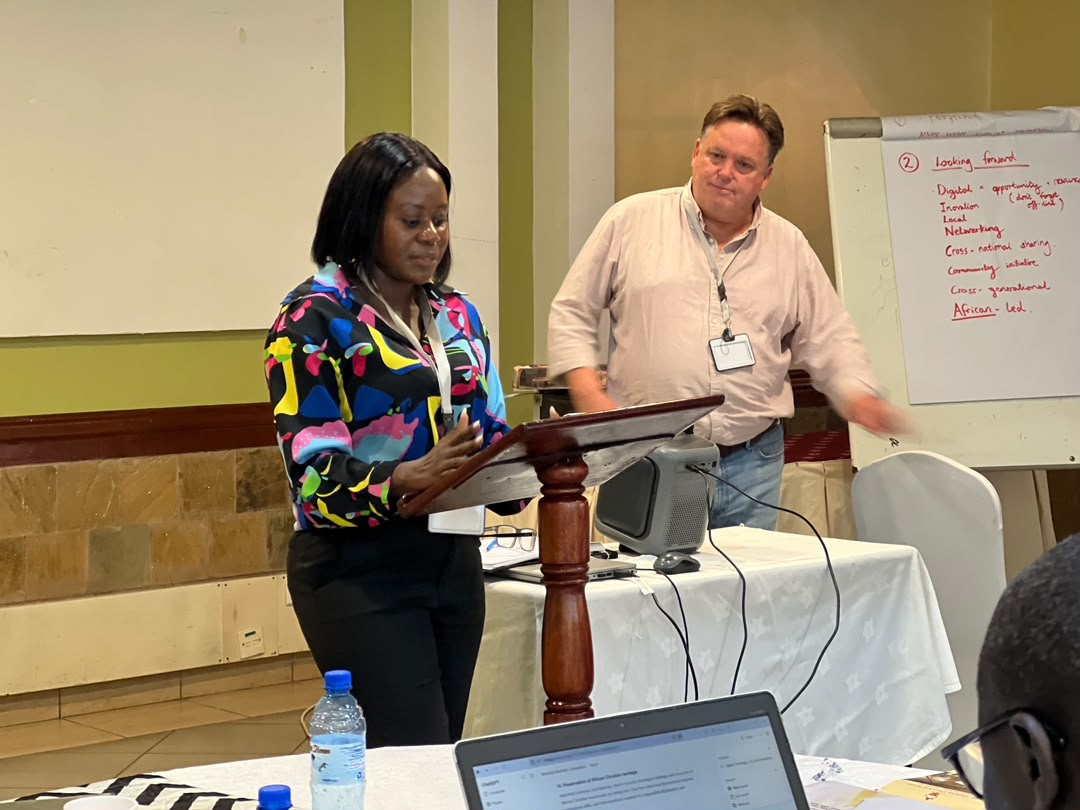
Perhaps the most important conversation of the week was around ‘Africanisation’. For APF, this isn’t simply about doing more work in Africa. It’s about something deeper: who owns the vision, who provides the leadership and who shapes the future.
Africanisation means a significant shift in how APF works: from being primarily a funder and deliverer to becoming a partner, enabler and equipper. It means listening more, delegating more and creating space for African leaders to take the initiative and take responsibility. These are more than changes in language. They represent a different way of working.
As the conversations developed, some clear priorities began to emerge:
- We need to invest more deeply in African leadership and ownership, equipping and releasing people in ways that are rooted in African realities.
- We need to strengthen pastoral formation, developing good theological resources, mentoring and trainers who can equip others.
- We need to build stronger connections across countries, so that African leaders can share ideas, encourage one another and discover that they are not working alone. A movement rather than a programme.
- We need to support contextualised Christian ministry – approaches that grow out of African realities rather than simply importing models developed somewhere else.
- And we need to look seriously at the younger generation, technology and African resourcing. Initiatives such as eVitabu demonstrate how technology can put theological resources into the hands of leaders who may otherwise struggle to access them. At the same time, younger leaders need opportunities to be mentored, trusted and given responsibility.
The strength of APF has always been its relationships; the partners on the ground who are passionate about their churches and communities and who are willing to share what they are learning with others. These partners will be the key to making these priorities happen and the conference reminded us that this network is APF’s greatest resource.
Looking forward with faith and courage.
The gathering ended where it began, with the question of what God has been saying. We have much to celebrate but the challenge now is to take what we have learned during the conference and allow it to shape what comes next.
That will mean doing some things differently. It will mean giving far more responsibility to APF’s African partners. It will mean changing how the organisation is structured and run. It will mean investing in younger leaders, embracing new technology, connecting people across national borders and responding to the rapid changes happening across Africa. And it means continuing to listen, to our partners, to one another and, above all, to God.
We have not come this far to only come this far. The story of the Ebenezer stone reminds us of where God has brought us; the future calls us to trust Him for where He is taking us, and to be willing to go differently in order to get there.